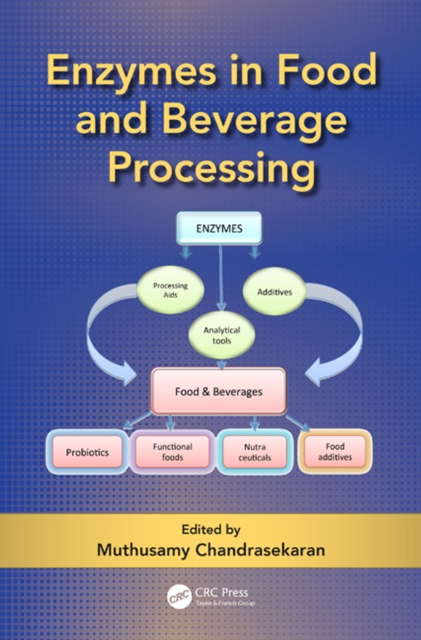
Biotechnology, particularly eco-friendly enzyme technologies, has immense potential for the augmentation of diverse food products utilizing vast biodiversity, resolving environmental problems owing to waste disposal from food and beverage industries.
Reflecting the breadth of the field from research to manufacturing, Nanoscience and Nanoengineering: Advances and Applications delivers an in-depth survey of emerging, high-impact nanotechnologies.
Microalgae are a particularly interesting source of products that range from currently marketed human nutritionals and food ingredients, to potential sources of biofuels and animal feeds.
Advances in Postharvest Fruit and Vegetable Technology examines how changes in community attitudes and associated pressures on industry are demanding changes in the way technology is used to minimize postharvest loss and maintain product quality.
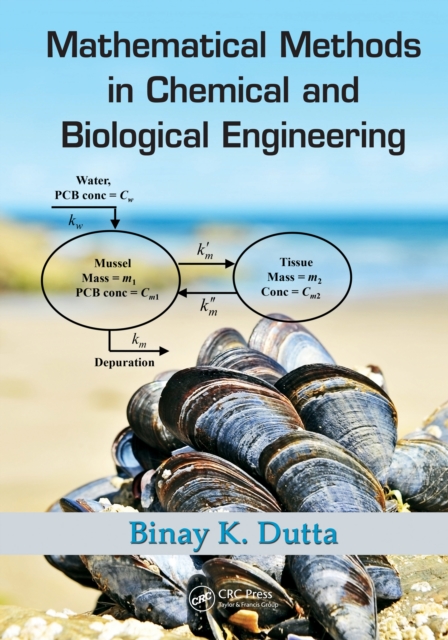
Mathematical Methods in Chemical and Biological Engineering describes basic to moderately advanced mathematical techniques useful for shaping the model-based analysis of chemical and biological engineering systems.
Mathematical Methods in Chemical and Biological Engineering describes basic to moderately advanced mathematical techniques useful for shaping the model-based analysis of chemical and biological engineering systems.
Forage crops include several species of grasses and legumes that are widely used as animal fodder in the form of hay, pasturage and silage, as well as for turf and erosion control.
Circuits, Signals, and Systems for Bioengineers: A MATLAB-Based Introduction, Fourth Edition, guides the reader through the electrical engineering principles that can be applied to biological systems.
A monograph collection on various topics with implications on new or possible advances with ligno-cellulose research in regards to animal feeding and also lending itself to bioenergy feedstock.
With applications ranging from medical diagnostics to environmental monitoring, molecular sensors (also known as biosensors, chemical sensors, or chemosensors), along with emerging nanotechnologies offer not only valuable tools but also unlimited possibilities for engineers and scientists to explore the world.
This volume is the scientific chronicle of the NATO Advanced Research Workshop on Computational Aspects of the Study of Biological Macro- molecules by Nuclear Magnetic Resonance Spectroscopy, which was held June 3-8, 1990 at Il Ciocco, near Barga, Italy.
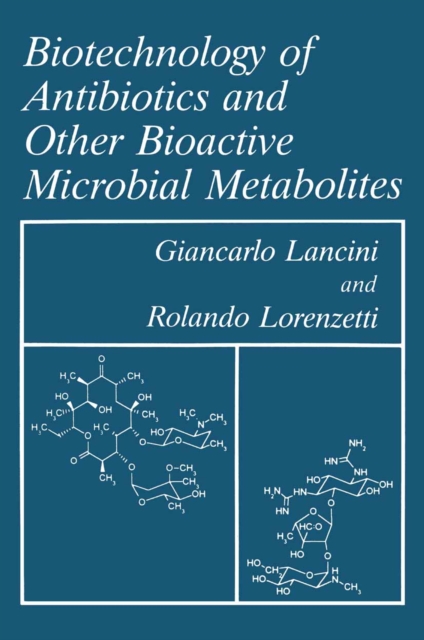
In response to the field's need for an introductory text, the authors have distilled the vast and scattered literature relating to the biotechnology of microbial secondary metabolites.
In vivo nuclear magnetic and electron spin resonance spectroscopy is concerned, inter alia, with the noninvasive observation of metabolic changes in living systems, including animals and humans.
This book is a compilation of the research which was presented during the NATO-Advanced Research Workshop (ARW) entitled "e;Advances in Bacterial Paracrystalline Surface Layers"e; held in London, Ontario, Canada during September 27 to 30, 1992.
This volume records the proceedings of the Workshop on Advanced Meth- ods of Pharmacokinetic and Pharmacodynamic Systems Analysis, organized by the Biomedical Simulations Resource in May 1990.
Microbial toxins are secondary metabolites that accumulate in the organism and, to a large extent, are metabolically inactive towards the organism that produces them.
Advances of cardiovascular engineering prompt one to consider innovative device technology - that is, the development of new replacement heart valves or engineering of a totally implantable energy source for an artificial heart.
During the latter part of the last century and the early years of this century, the microbiology of beer and the brewing process played a central role in the development of modern microbiology.
Integrating recent research on the physiology and modelling of bioreactions and bioreactors, the authors present a comprehensive, unified introduction to the principles and practices of the field.
This third edition of a classic text in biological microscopy includes detailed descriptions and in-depth comparisons of parts of the microscope itself, digital aspects of data acquisition and properties of fluorescent dyes, the techniques of 3D specimen preparation and the fundamental limitations, and practical complexities of quantitative confocal fluorescence imaging.
Microfluidics and BioMEMS Applications central idea is on microfluidics, a relatively new research field which finds its niche in biomedical devices, especially on lab-on-a-chip and related products.
The bile acids as principal end products of cholesterol metabolism occupy a focal position in our understanding of the role of steroids in bio- logical systems.
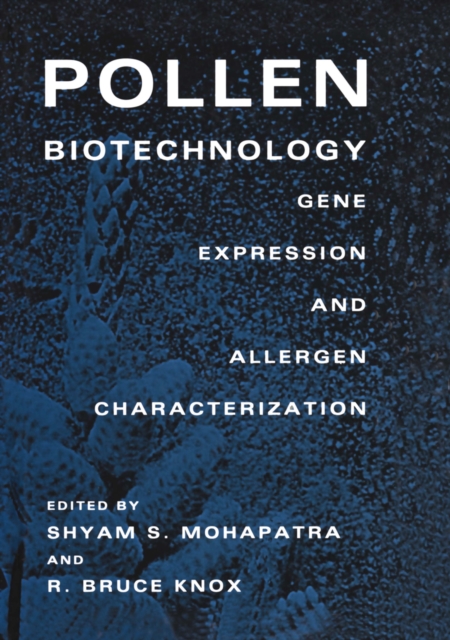
The last decade has seen tremendous progress in our knowledge of the pollen development and gene expression on one hand and the characterization of pollen specific proteins on the other.
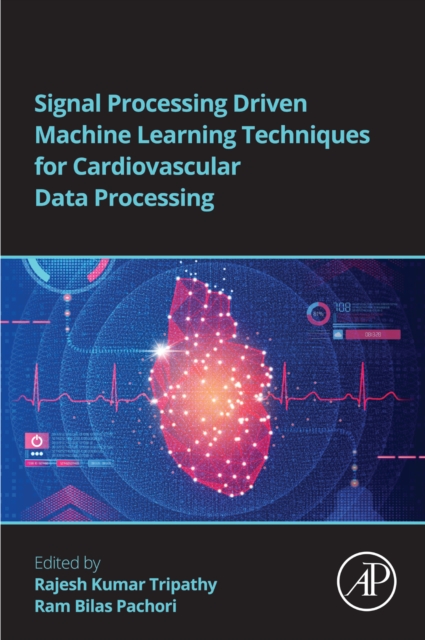
Signal Processing Driven Machine Learning Techniques for Cardiovascular Data Processing features recent advances in machine learning coupled with new signal processing-based methods for cardiovascular data analysis.
This textbook covers the scientific basics of molecular bioengineering, a new field where technology meets biology and chemistry, and the fundamental knowledge required for students to understand molecular mechanisms beyond biological phenomena.
With the rapid increase in the global population and changing climatic impacts on agriculture, this book demonstrates how genome editing will be an indispensable technique to overcome ongoing and prospective agricultural challenges.
With the rapid increase in the global population and changing climatic impacts on agriculture, this book demonstrates how genome editing will be an indispensable technique to overcome ongoing and prospective agricultural challenges.
This definitive guide provides readers with an overview of multifunctional nanoparticles, delving into their novel synthesis methods, unique properties, and diverse applications in therapy, biology, and pharmacy.