Este libro presenta de manera concisa los conceptos de la biotecnologia aplicada al sector agropecuario y minero, dos de los renglones mas importantes de Colombia, y permite comprender los alcances y perspectivas de esta ciencia, para lograr una mayor competitividad en estos sectores.
Diversidad genética de las heliconias y su aplicación en fitorremediación, identificación varietal y mercadeo tiene un hilo conductor (el estudio de la diversidad genética y la expresión fenotípica) y un propósito unificador (aportar al mercado de las flores tropicales y estrategias de descontaminación de metales pesados).
La autora narra los principales hitos historicos en el desarrollo de algunas de las tecnologias de la edicion genetica, donde resalta sus caracteristicas principales, integrando representaciones graficas que abarcan los conceptos de una manera clara.
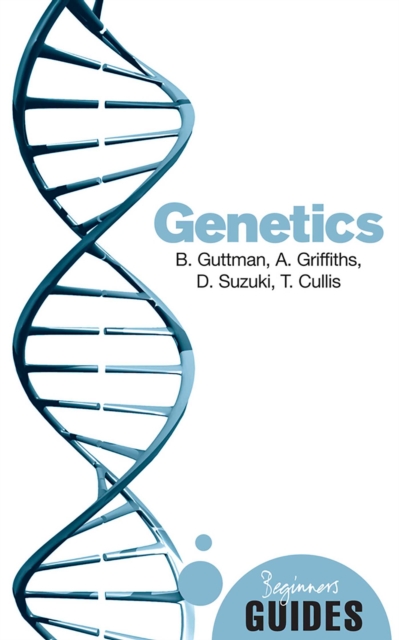
With genetics and genetic engineering receiving almost daily coverage in the media, this book is an introduction for general readers who wish to know more about a science that is changing our world.
With genetics and genetic engineering receiving almost daily coverage in the media, this book is an introduction for general readers who wish to know more about a science that is changing our world.
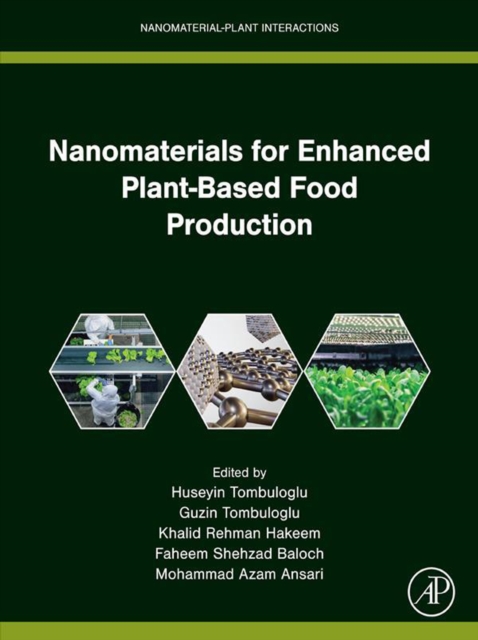
Nanomaterials for Enhanced Plant-Based Food Production a new release in the Nanomaterial-Plant Interactions series, presents up-to-date insights on the use of nano-enabled agricultural tools from nanofertilizers to nanosensors, including how to balance safety and environmental impact concerns to ensure optimal utilization.
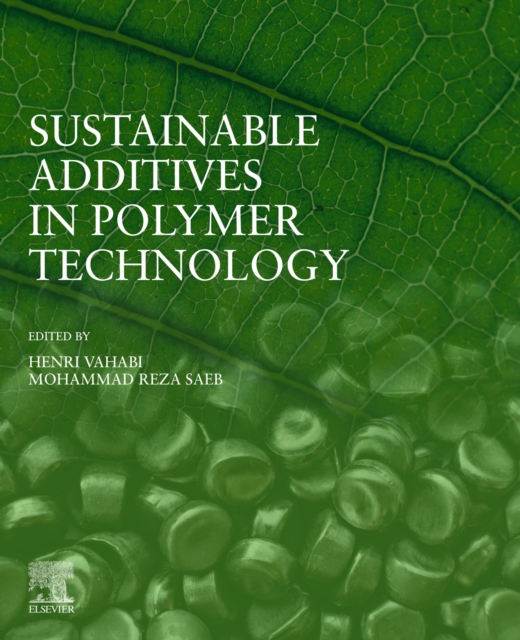
Sustainable Additives in Polymer Technology provides a comprehensive guide to bio-based additives for polymers, balancing both fundamental and advanced information.
Advances in Applied Microbiology, Volume 130 continues the comprehensive reach of this widely read and authoritative review source in microbiology where users will find invaluable references and information on a variety of areas relating to the topics of microbiology.
Advances in Applied Microbiology, Volume 130 continues the comprehensive reach of this widely read and authoritative review source in microbiology where users will find invaluable references and information on a variety of areas relating to the topics of microbiology.
Artificial Intelligence-Based Smart Healthcare Systems: New Standards, Technologies, and Communication Systems delves into the transformative role of Artificial Intelligence (AI) in modern healthcare.
Nanomaterials for Enhanced Plant-Based Food Production a new release in the Nanomaterial-Plant Interactions series, presents up-to-date insights on the use of nano-enabled agricultural tools from nanofertilizers to nanosensors, including how to balance safety and environmental impact concerns to ensure optimal utilization.
Artificial Intelligence-Based Smart Healthcare Systems: New Standards, Technologies, and Communication Systems delves into the transformative role of Artificial Intelligence (AI) in modern healthcare.
Sustainable Additives in Polymer Technology provides a comprehensive guide to bio-based additives for polymers, balancing both fundamental and advanced information.
Materials and Components of Biosensors in Healthcare: Volume Two provides comprehensive coverage and a detailed examination of the various materials and components used in the development of biosensors.
Materials and Components of Biosensors in Healthcare: Volume Two provides comprehensive coverage and a detailed examination of the various materials and components used in the development of biosensors.
Applications of Biosensors in Healthcare: Volume 3 details and explores the various ways biosensors are used in healthcare, disease management, and therapeutic delivery.
Applications of Biosensors in Healthcare: Volume 3 details and explores the various ways biosensors are used in healthcare, disease management, and therapeutic delivery.
La eugenesia, al consolidarse como un movimiento cientifico con alcances politicos, economicos, culturales y eticos, logro convertirse en politica de Estado.
Synthetic biology stands as one of the most revolutionary fields in modern science, enabling the creation of artificial living organisms in laboratories.
Medicinal Biotechnology: Methods and Applications covers a wide range of topics from traditional herbal medicine to recent plant and animal biotechnology approaches used for the production of vaccines, hormones, enzymes, edible medicinal products, herbal therapeutics, and other secondary metabolites.
Medicinal Biotechnology: Methods and Applications covers a wide range of topics from traditional herbal medicine to recent plant and animal biotechnology approaches used for the production of vaccines, hormones, enzymes, edible medicinal products, herbal therapeutics, and other secondary metabolites.
Guide to Plant Single-Cell Technology: Functional Genomics and Crop Improvement summarizes the current status of single-cell technology in plants involving food and energy crops.
Guide to Plant Single-Cell Technology: Functional Genomics and Crop Improvement summarizes the current status of single-cell technology in plants involving food and energy crops.
'A riveting page-turner about the world of technology and dealmaking' - Jonathan Safran Foer, author of Extremely Loud & Incredibly Close'An extraordinary account .