Nanopores are vital biological features, described as tiny holes in cellular membranes used for recognition and transport of ions and molecules between compartments within the cell, as well as between the extracellular environment and the cell itself.
Aimed at an international readership, this book offers a representative collection of essays by the German philosopher, Georg Picht (1913-1982), who was a specialist in Greek philosophy, practical philosophy and philosophy of religion.
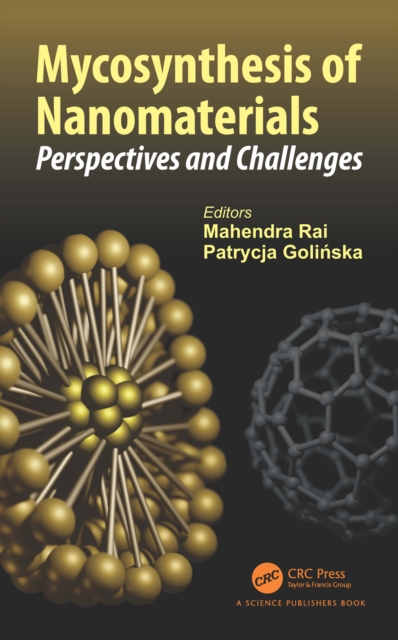
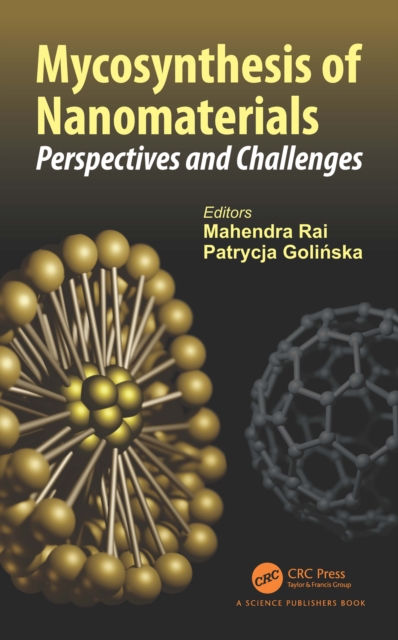
Mycosynthesis of Nanomaterials: Perspectives and challenges focus on the use of diverse groups of fungi for the synthesis of inorganic (metal and metalloid) and organic nanoparticles.
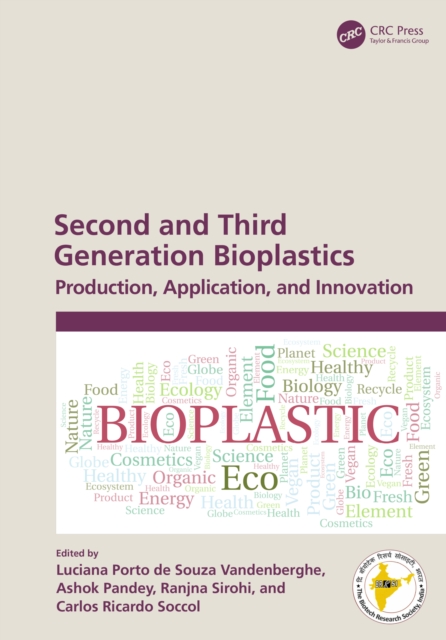
This book provides a comprehensive overview of and state-of-art information on the production and application of second- and third-generation bioplastics, such as polylactic acid (PLA) and polyhydroxyalkanoates (PHAs).
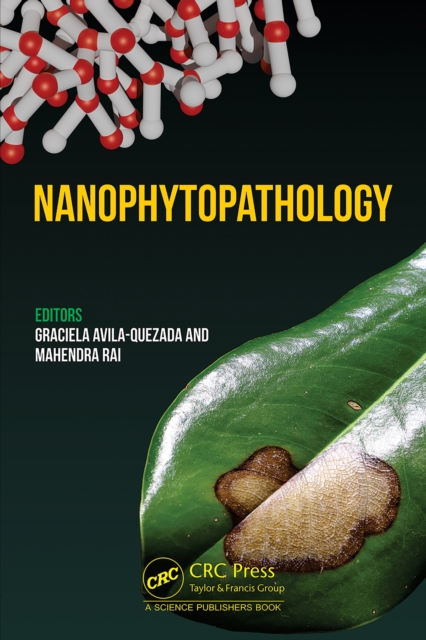
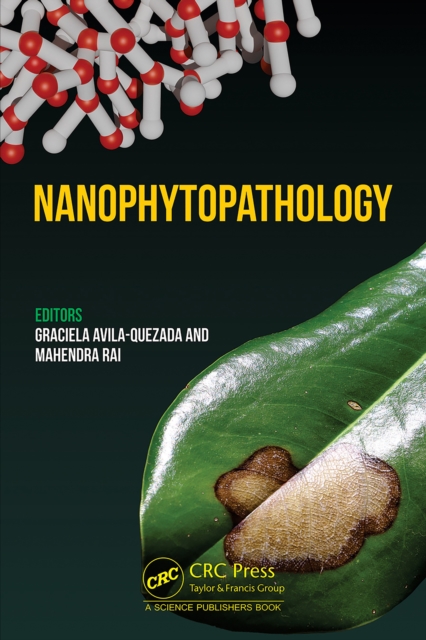
The book entitled 'Nanophytopathology' discusses the need for alternative technologies particularly smart nanotechnological tools including nanobiosensor in the detection of plant diseases, delivery of fungicides/pesticides, and therapy for the diseases caused by plant pathogens and pests.
This book provides a comprehensive overview of and state-of-art information on the production and application of second- and third-generation bioplastics, such as polylactic acid (PLA) and polyhydroxyalkanoates (PHAs).
Mycosynthesis of Nanomaterials: Perspectives and challenges focus on the use of diverse groups of fungi for the synthesis of inorganic (metal and metalloid) and organic nanoparticles.
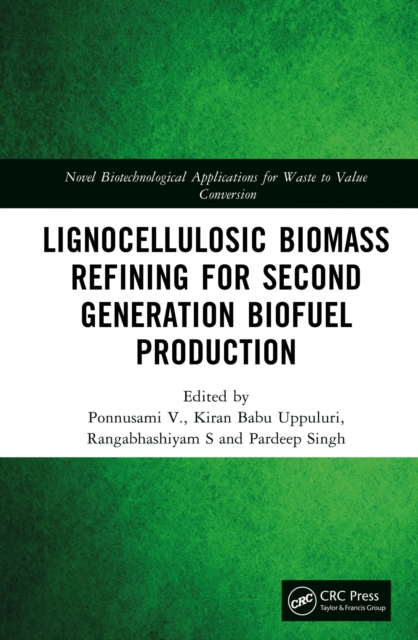
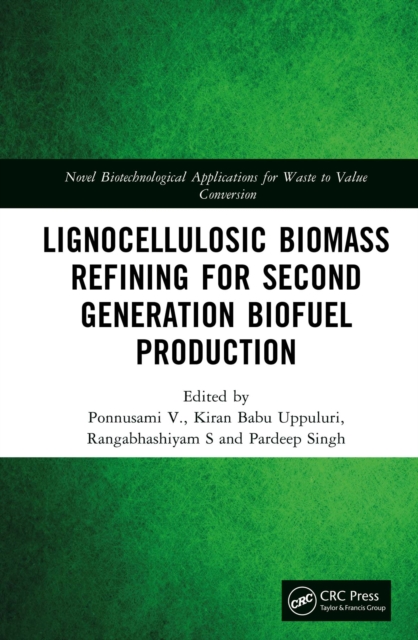
This book compiles research aspects of second-generation (2G) biofuel production derived specifically from lignocellulose biomass using biorefinery methods.
This book compiles research aspects of second-generation (2G) biofuel production derived specifically from lignocellulose biomass using biorefinery methods.
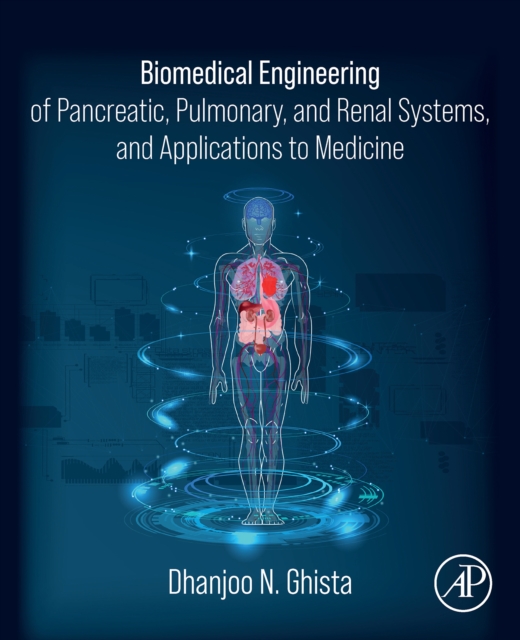
Biomedical Engineering Modeling of Pancreatic, Respiratory, and Renal Regulatory Systems, and their Medical Assessments addresses the need for biomedical engineering to provide physiological analysis of organ systems and their medical applications to help enable quantitative formulation of physiological systems and defining their functions and dysfunctions, leading to precision diagnostics of diabetes, lung diseases, and kidney failure, often in the form of non-dimensional indices.
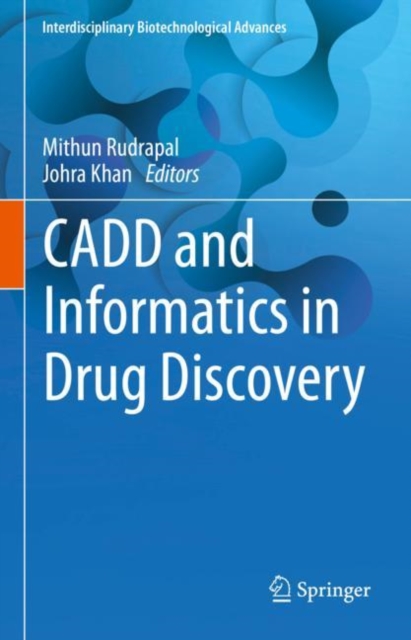
This book updates knowledge on recent advances in computational, biophysical and bioinformatics tools/techniques and their practical applications in modern drug design and discovery paradigm.
The book entitled 'Nanophytopathology' discusses the need for alternative technologies particularly smart nanotechnological tools including nanobiosensor in the detection of plant diseases, delivery of fungicides/pesticides, and therapy for the diseases caused by plant pathogens and pests.
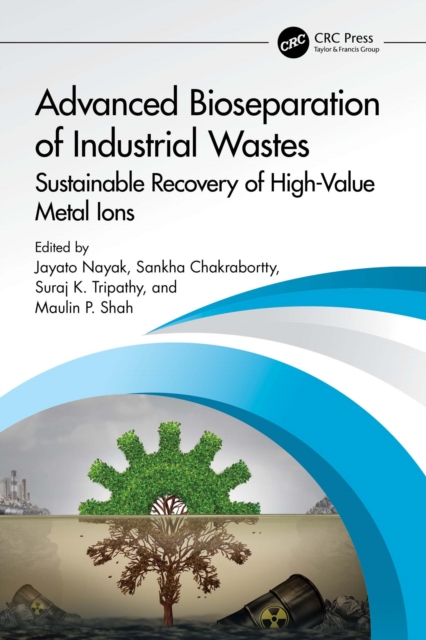
Advanced Bioseparation of Industrial Wastes: Sustainable Recovery of High-Value Metal Ions examines resource recovery from a variety of industrial waste streams, including sludge and wastewater, with an emphasis on both the fundamentals and the more advanced concepts involved.
Biomedical Engineering Modeling of Pancreatic, Respiratory, and Renal Regulatory Systems, and their Medical Assessments addresses the need for biomedical engineering to provide physiological analysis of organ systems and their medical applications to help enable quantitative formulation of physiological systems and defining their functions and dysfunctions, leading to precision diagnostics of diabetes, lung diseases, and kidney failure, often in the form of non-dimensional indices.
This book provides an up-to-date overview of the biological functions of melanins, their biotechnological production, and their industrial applications.
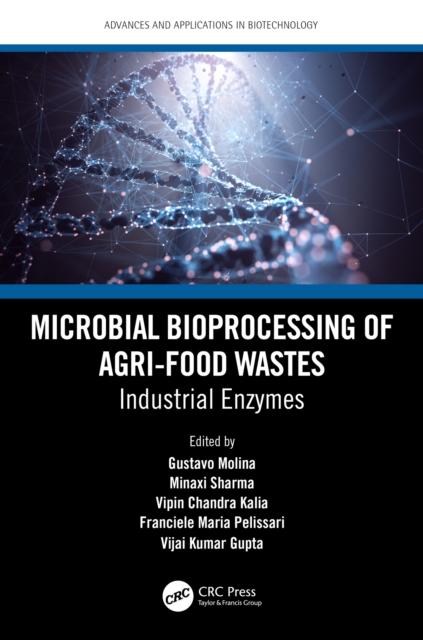
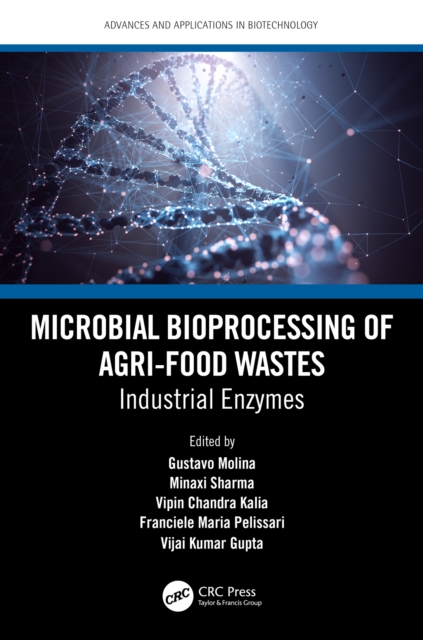
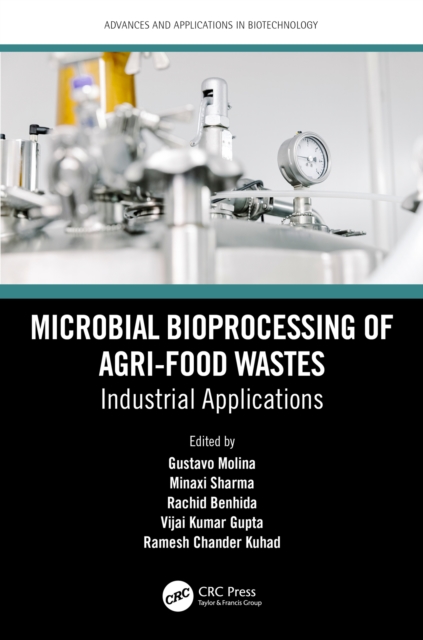
Microbes are widely used in large-scale industrial processes due to their versatility, easy growing cultivation, kinetic potential, and the ability to generate metabolites with a wide range of potential applications to various commercial sectors, such as the food, pharmaceutical and cosmetic industries, in addition to the potential for agriculture, biomedical, and several others.
Textiles with functional properties such as antimicrobial finishes, drug delivery, ultraviolet resistance, electrical conductivity, superhydrophilicity, superhydrophobicity, self-cleaning, EMI shielding, flame-retardance can be developed with the help of nanotechnology.
Textiles with functional properties such as antimicrobial finishes, drug delivery, ultraviolet resistance, electrical conductivity, superhydrophilicity, superhydrophobicity, self-cleaning, EMI shielding, flame-retardance can be developed with the help of nanotechnology.
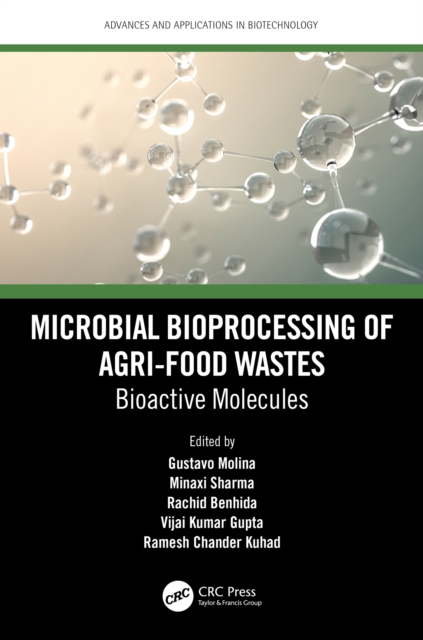
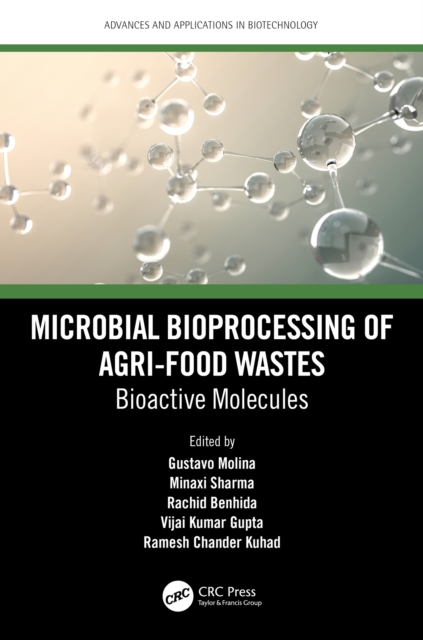
This book gives a comprehensive overview of recent advances in the valorization of agri-food waste and discusses the main process conditions needed to overcome the difficulties of using waste as alternative raw materials.
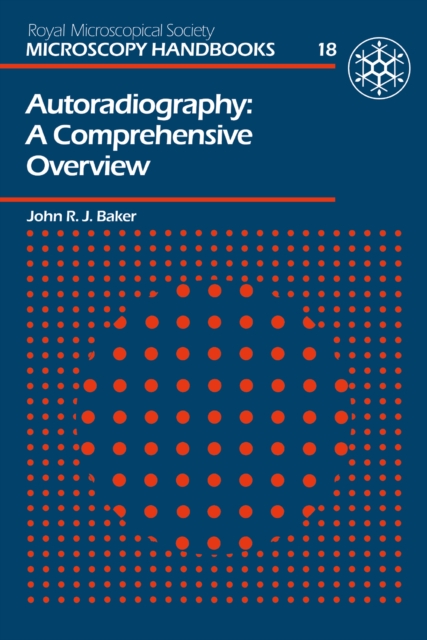
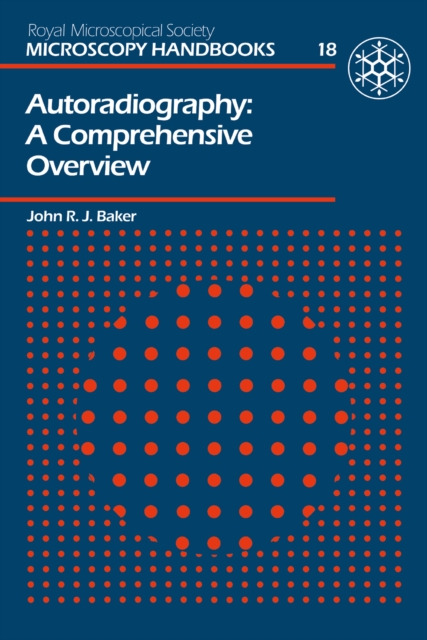
This book describes levels of autoradiography, which is the localization within a solid specimen of a radiolabel, to help the beginner or biologist choose the correct approach for particular application.
This book gives a comprehensive overview of recent advances in the valorization of agri-food waste and discusses the main process conditions needed to overcome the difficulties of using waste as alternative raw materials.
This book describes levels of autoradiography, which is the localization within a solid specimen of a radiolabel, to help the beginner or biologist choose the correct approach for particular application.
Microbes are widely used in large-scale industrial processes due to their versatility, easy growing cultivation, kinetic potential, and the ability to generate metabolites with a wide range of potential applications to various commercial sectors, such as the food, pharmaceutical and cosmetic industries, in addition to the potential for agriculture, biomedical, and several others.
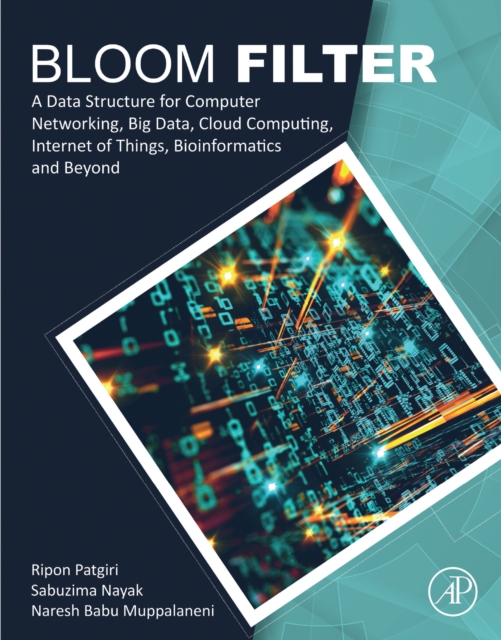
Bloom Filter: A Data Structure for Computer Networking, Big Data, Cloud Computing, Internet of Things, Bioinformatics, and Beyond focuses on both the theory and practice of the most emerging areas for Bloom filter application, including Big Data, Cloud Computing, Internet of Things, and Bioinformatics.
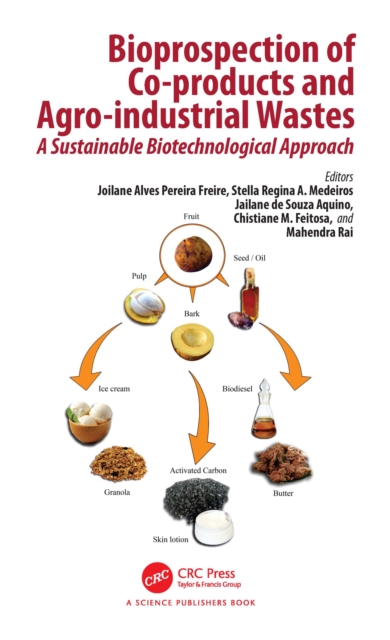
The proposed book titled as "e;Bioprospection of Coproducts and Agro-industrial Wastes: A Sustainable Biotechnological Approach"e;, seeks to offer the importance of the recycling, reuse of food residue, byproducts of fruits and agri-wastes to the academic community and industries.
Only in recent years new available technologies, the redefinition and refining of intervention techniques, and clinical research studies have widened the spectrum of fat applications in aesthetic and reconstructive surgery.
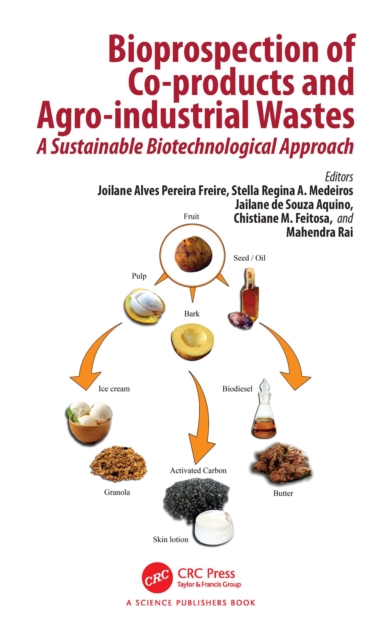
The proposed book titled as "e;Bioprospection of Coproducts and Agro-industrial Wastes: A Sustainable Biotechnological Approach"e;, seeks to offer the importance of the recycling, reuse of food residue, byproducts of fruits and agri-wastes to the academic community and industries.
Bloom Filter: A Data Structure for Computer Networking, Big Data, Cloud Computing, Internet of Things, Bioinformatics, and Beyond focuses on both the theory and practice of the most emerging areas for Bloom filter application, including Big Data, Cloud Computing, Internet of Things, and Bioinformatics.