This book provides a comprehensive overview of the state of the art in signal quality assessment techniques for physiological signals, and chiefly focuses on ECG (electrocardiography) and PPG (photoplethysmography) signals obtained from wearable sensors in ambulatory clinical settings.
This 2nd book provides fundamental concepts and recent applications of biotechnological methods, such as genetic selection, breeding methods and genetic engineering tools.
This book covers the fundamentals of tissue engineering for the heart, starting with the basics of organ generation, sensors in tissue and organ fabrication, and the current state-of-the-art in stem cell engineering for the heart.
This book addresses the potential of the transformation of biomass into a wide range of marketable products, and examines the biological, biochemical, physical and thermal processing of biomass into products such as fuels, power, heat, feeds, chemicals and materials.
This Volume of the series Cardiac and Vascular Biology offers a comprehensive and exciting, state-of-the-art work on the current options and potentials of cardiac regeneration and repair.
This new series, based on a bi-annual conference and its topics, represents a major contribution to the emerging science of cancer research and regenerative medicine.
Mechanics of Biological Systems and Materials, Volume 6 of the Proceedings of the 2016 SEM Annual Conference & Exposition on Experimental and Applied Mechanics, the sixth volume of ten from the Conference, brings together contributions to this important area of research and engineering.
This comprehensive book offers an overview of the latest advances in knee ligament and knee preservation surgery, including cartilage, meniscus, and osteotomy procedures.
Written in easy to follow language, the book presents cutting-edge agriculturally relevant plant biotechnologies and applications in a manner that is accessible to all.
This textbook for graduate students in statistics, data science, and public health deals with the practical challenges that come with big, complex, and dynamic data.
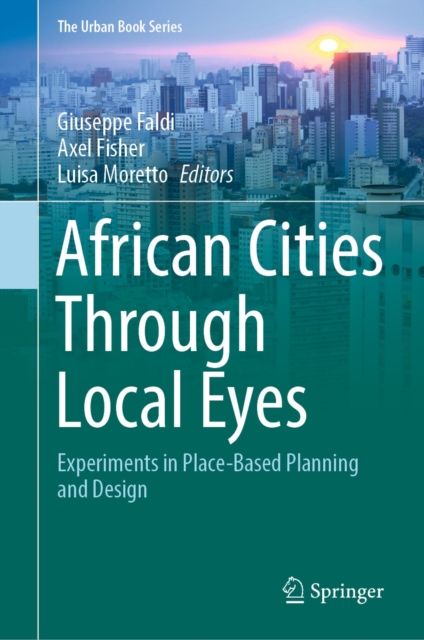
This book provides readers with a wide overview of place-based planning and design experiments addressing such powerful transformations in the African built environment.
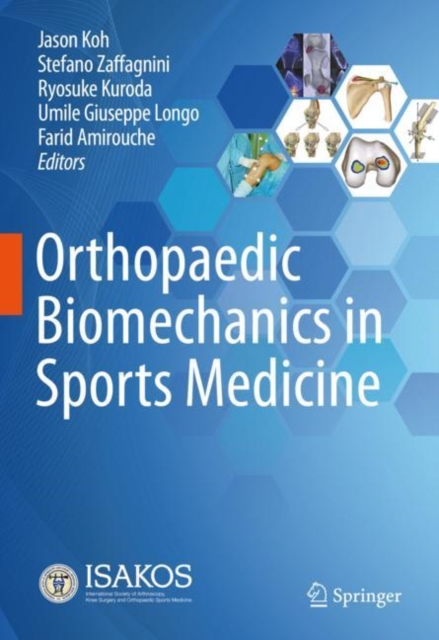
This book presents a fundamental basic overview of orthopedic biomechanics in sports medicine, with a special focus on the current methodologies used in modeling human joints, ligaments, and muscle forces.
This book is the first comprehensive compilation of deliberations on elucidation and augmentation of the genome of Brassica juncea, one of the leading oilseed crops of the world, popularly called as brown mustard, Indian mustard, Chinese mustard, or Oriental mustard.
This book gathers international knowledge and contemporary clinical and scientific evidence on infections associated with the musculoskeletal system at a time when we are confronted with significant challenges and uncertainty.
This book presents the core principles and technical aspects of Diffusion Weighted Imaging (DWI), as well as pearls and pitfalls concerning the imaging technique's application to the hepatobiliary system.
This thesis advances the long-standing challenge of measuring oxidative stress and deciphering its underlying mechanisms, and also outlines the advantages and limitations of existing design strategies.
This book prepares students and technologists for registry examinations in nuclear medicine technology by providing practice questions and answers with detailed explanations, as well as a mock registry exam.
This book describes the vast variety of xenobiotics, such as pesticides, antibiotics, antibiotic resistance genes, agrochemicals and other pollutants, their interactions with the soil environment, and the currently available strategies and techniques for soil decontamination and bioremediation.
This book covers the most recent developments in the field of osteochondral tissue engineering (OCTE) and covers in detail the concepts and current challenges for bone and cartilage repair and regeneration.
Algae are simple, primitive, heterogeneous, autotrophic, eukaryotic or prokaryotic organisms that lead a symbiotic, parasitic or free-living mode of life.
This book focuses on quinoa, providing background information on its history, summarizing recent genetic and genomic advances, and offering directions for future research.
This second fully updated and extended edition of Biotechnology and Conservation of Cultural Heritage provides in-depth insights into the role of different microorganisms and microbial compounds in biodeterioration, conservation and restoration of artworks and artifacts.
The book focuses on the principles and practices of tropical maize improvement with special emphasis on early and extra-early maize to feed the increasing population in Sub-Saharan Africa.
In 1984, the celebrated sociologist and historian Norbert Elias convened a major conference on 'Civilisations and civilising processes' at the Centre for Interdisciplinary Research (University of Bielefeld).
This book provides the latest information about hairy root culture and its several applications, with special emphasis on potential of hairy roots for the production of bioactive compounds.
Faced with the growing demand for nature in cities, informal greenspaces are gaining the interest of various stakeholders - residents, associations, public authorities - as well as scientists.
This edited book presents the latest research on cucumber, its genetic resources and diversity, tissue culture and genetic transformation, mapping of economic genes and QTLs, whole genome sequencing, comparative genomics, and breeding strategies.
This volume provides insight into the pivotal roles of stem cells, exosomes and other microvesicles in biofunction and molecular mechanisms and their therapeutic potential in translational nanomedicine.
This book presents the genetics and genomics of Jatropha, which is used for biofuel, and shows how plant genomics can be used to improve plant breeding.
Implantable sensing, whether used for transient or long-term monitoring of in vivo physiological, bio-electrical, bio-chemical and metabolic changes, is a rapidly advancing field of research and development.