Practical Guide for Biomedical Signals Analysis Using Machine Learning Techniques: A MATLAB Based Approach presents how machine learning and biomedical signal processing methods can be used in biomedical signal analysis.
Perspectives in the Development of Mobile Medical Information Systems: Life Cycle, Management, Methodological Approach and Application discusses System Development Life Cycle (SDLC) thoroughly, focusing on Mobile Healthcare Information Systems (M-HIS).
Digital Agritechnology: Robotics and Systems for Agriculture and Livestock Production describes how systems acquire and use data in livestock production and agricultural systems, and how researchers can extract and aggregate efficiencies.
EEG Brain Signal Classification for Epileptic Seizure Disorder Detection provides the knowledge necessary to classify EEG brain signals to detect epileptic seizures using machine learning techniques.
Biotechnology and its Applications: Using Cells to Change the World, Second Edition introduces students to the world of biotechnology in a way that runs deeper than a mere survey.
Materials for Biomedical Engineering: Nanomaterials-Based Drug Delivery highlights the progress made in the field of nanostructures bioactive materials and their impact on efficient drug delivery towards personalized medicine.
Materials for Biomedical Engineering: Nanobiomaterials in Tissue Engineering highlights the impact of novel bioactive materials in both current applications and their potential in the future progress of tissue engineering and regenerative medicine.
Artificial Intelligence for Computational Modeling of the Heart presents recent research developments towards streamlined and automatic estimation of the digital twin of a patient's heart by combining computational modeling of heart physiology and artificial intelligence.
Advances in Ubiquitous Computing: Cyber-Physical Systems, Smart Cities and Ecological Monitoring debuts some of the newest methods and approaches to multimodal user-interface design, safety compliance, formal code verification and deployment requirements, as they pertain to cyber-physical systems, smart homes and smart cities, and biodiversity monitoring.
Glucose Monitoring Devices: Measuring Blood Glucose to Manage and Control Diabetes presents the state-of-the-art regarding glucose monitoring devices and the clinical use of monitoring data for the improvement of diabetes management and control.
Materials for Biomedical Engineering: Thermoset and Thermoplastic Polymers presents the newest and most interesting approaches to intelligent polymer engineering in both current and future progress in biomedical sciences.
Advances in Biomechanics and Tissue Regeneration covers a wide range of recent development and advances in the fields of biomechanics and tissue regeneration.
The Cognitive Approach in Cloud Computing and Internet of Things Technologies for Surveillance Tracking Systems discusses the recent, rapid development of Internet of things (IoT) and its focus on research in smart cities, especially on surveillance tracking systems in which computing devices are widely distributed and huge amounts of dynamic real-time data are collected and processed.
Medical Data Sharing, Harmonization and Analytics serves as the basis for understanding the rapidly evolving field of medical data harmonization combined with the latest cloud infrastructures for storing the harmonized (shared) data.
The revised edition of the renowned and bestselling title is the most comprehensive single text on all aspects of biomaterials science from principles to applications.
Applied Human Factors in Medical Device Design describes the contents of a human factors toolbox with in-depth descriptions of both empirical and analytical methodologies.
The revised edition of the renowned and bestselling title is the most comprehensive single text on all aspects of biomaterials science from principles to applications.
Machine Learning in Bio-Signal Analysis and Diagnostic Imaging presents original research on the advanced analysis and classification techniques of biomedical signals and images that cover both supervised and unsupervised machine learning models, standards, algorithms, and their applications, along with the difficulties and challenges faced by healthcare professionals in analyzing biomedical signals and diagnostic images.
Clinical Simulation: Education, Operations and Engineering, Second Edition, offers readers a restructured, comprehensive and updated approach to learn about simulation practices and techniques in a clinical setting.
The Artificial Pancreas: Current Situation and Future Directions presents research on the top issues relating to the artificial pancreas (AP) and its application to diabetes.
Personalized Computational Hemodynamics: Models, Methods, and Applications for Vascular Surgery and Antitumor Therapy offers practices and advances surrounding the multiscale modeling of hemodynamics and their personalization with conventional clinical data.
Semi-empirical Neural Network Modeling presents a new approach on how to quickly construct an accurate, multilayered neural network solution of differential equations.
U-Healthcare Monitoring Systems: Volume One: Design and Applications focuses on designing efficient U-healthcare systems which require the integration and development of information technology service/facilities, wireless sensors technology, wireless communication tools, and localization techniques, along with health management monitoring, including increased commercialized service or trial services.
Wearable and Implantable Medical Devices: Applications and Challenges, Fourth Edition highlights the new aspects of wearable and implanted sensors technology in the healthcare sector and monitoring systems.
Healthcare Data Analytics and Management help readers disseminate cutting-edge research that delivers insights into the analytic tools, opportunities, novel strategies, techniques and challenges for handling big data, data analytics and management in healthcare.
Neural Network Modeling and Identification of Dynamical Systems presents a new approach on how to obtain the adaptive neural network models for complex systems that are typically found in real-world applications.
Advances in Phytonanotechnology: From Synthesis to Application guides readers through various applications of nanomaterials on plants by presenting the latest research related to nanotechnology and nanomaterials on plant systems.
High-Density Integrated Electrocortical Neural Interfaces provides a basic understanding, design strategies and implementation applications for electrocortical neural interfaces with a focus on integrated circuit design technologies.
Applications of Nanocomposite Materials in Orthopedics provides a solid understanding of recent developments in the field of nano-composites used in orthopedics.
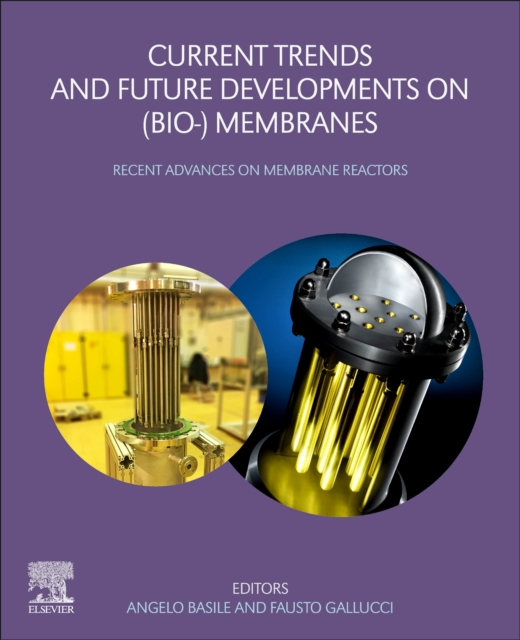
Current Trends and Future Developments on (Bio-) Membranes: Carbon Dioxide Separation/Capture by Using Membranes explores the unique property of membranes to separate gases with different physical and chemical properties.
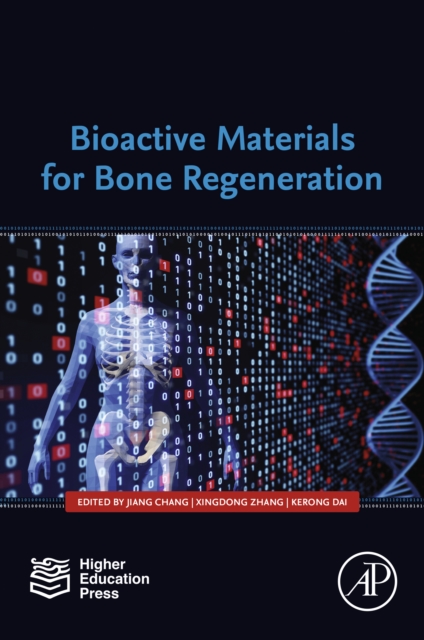
Bioactive Materials for Bone Regeneration summarizes research advances on the topic, including sections on the characteristics of biomaterial-induced microenvironments, interactions of bioactive materials with stem cells and tissues, and the immunomodulatory microenvironment induced by biomaterials and its effects on osteogenesis.
Clinical Engineering Handbook, Second Edition, covers modern clinical engineering topics, giving experienced professionals the necessary skills and knowledge for this fast-evolving field.
Epigenetic Mechanisms in Cancer provides a comprehensive analysis of epigenetic signatures that govern disease development, progression and metastasis.
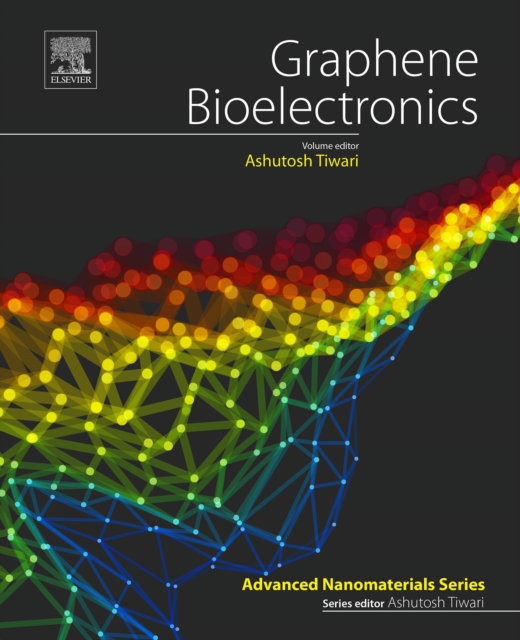
Graphene Bioelectronics covers the expending field of graphene biomaterials, a wide span of biotechnological breakthroughs, opportunities, possibilities and challenges.
Protein Modificomics: From Modifications to Clinical Perspectives comprehensively deals with all of the most recent aspects of post-translational modification (PTM) of proteins, including discussions on diseases involving PTMs, such as Alzheimer's, Huntington's, X-linked spinal muscular atrophy-2, aneurysmal bone cyst, angelman syndrome and OFC10.
Nanotechnology Applications in Food: Flavor, Stability, Nutrition, and Safety is an up-to-date, practical, applications-based reference that discusses the advantages and disadvantages of each application to help researchers, scientists, and bioengineers know what and what not to do to improve and facilitate the production of food ingredients and monitor food safety.
Coronary Artery Disease: From Biology to Clinical Practice links the most important basic concepts of atherosclerosis pathophysiology to treatment management of coronary artery disease.
Policy Issues in Genetically Modified Crops: A Global Perspective contains both theoretical and empirical evidence of a broad range of aspects of GM crop policies throughout the world.
State of the Art in Neural Networks and Their Applications presents the latest advances in artificial neural networks and their applications across a wide range of clinical diagnoses.