Therapeutic properties of bamboo have been known since ancient times as a part of several traditional systems of medicine and folk remedies in different parts of the world.
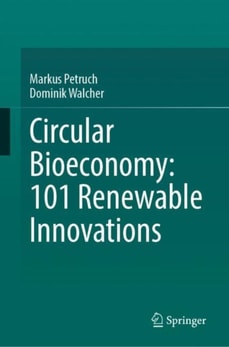
The 21st century marks a significant transition toward a circular bioeconomy, as society gradually moves away from fossil fuel dependence and explores the potential of renewable resources.
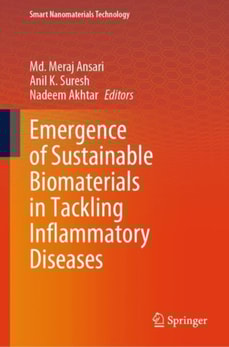
This book presents the latest technology of sustainable nanomaterials for applications as drug delivery cargos in tackling various inflammatory diseases.
This book presents the latest technology of sustainable nanomaterials for applications as drug delivery cargos in tackling various inflammatory diseases.
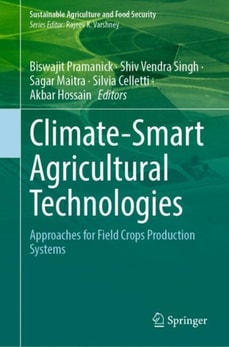
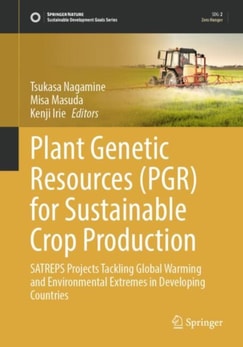
This book illuminates the essential role of plant genetic resources (PGR) in tackling global challenges such as climate change, desertification, and salinization of agricultural land.
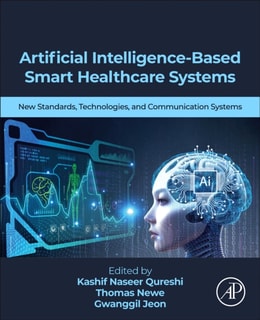
Artificial Intelligence-Based Smart Healthcare Systems: New Standards, Technologies, and Communication Systems delves into the transformative role of Artificial Intelligence (AI) in modern healthcare.
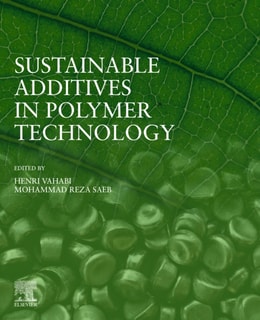
Sustainable Additives in Polymer Technology provides a comprehensive guide to bio-based additives for polymers, balancing both fundamental and advanced information.
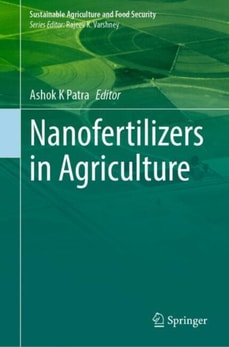
This contributed volume provides an overview of the current status of sustainable nanomaterials and their potential applications in various industries, including agriculture.
This contributed volume provides an overview of the current status of sustainable nanomaterials and their potential applications in various industries, including agriculture.
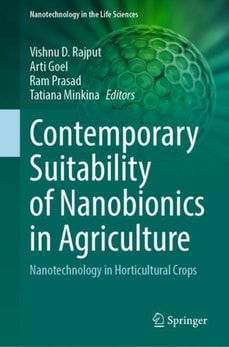
Attempts to apply nanotechnology in agriculture began with the growing realization that conventional farming technologies would neither be able to increase productivity any further nor restore ecosystems damaged by existing technologies back to their pristine state; in particular because the long-term effects of farming with “miracle seeds” in conjunction with irrigation, fertilizers, and pesticides, have been questioned both at the scientific and policy levels and must be gradually phased out.
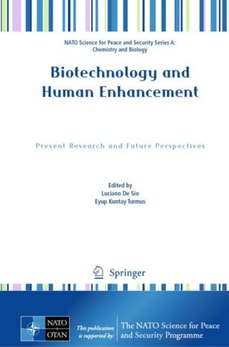
Dans un monde ou la biologie revolutionne la medecine et les biotechnologies, des innovations comme la therapie genique, la fecondation in vitro, les OGM ou encore le clonage soulevent des questions ethiques cruciales.
The book Topical Products and Dermal Drug Delivery delves deeply into critical topics essential for professionals across industry, academia, and clinical research.
The book Topical Products and Dermal Drug Delivery delves deeply into critical topics essential for professionals across industry, academia, and clinical research.
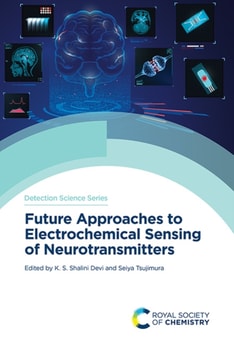
This volume provides a comprehensive overview of the advancements in wearable and implantable electrochemical sensors for monitoring neurological disorders.
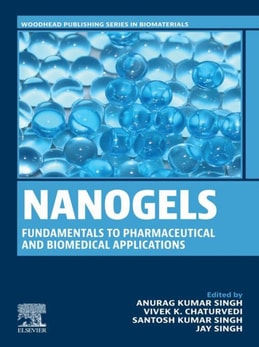
Nanogels: Fundamentals to Pharmaceutical and Biomedical Applications provides a comprehensive overview of nanogels, focusing on design principles, crosslinking methods, and therapeutic agent delivery.
This volume provides a comprehensive overview of the advancements in wearable and implantable electrochemical sensors for monitoring neurological disorders.
Next Generation Probiotics: From Novel Drugs to Future Therapeutics provides a comprehensive and cutting-edge exploration of probiotics as powerful therapeutic agents.
This book provides a well-focused and comprehensive overview of the history and background of MXene-based materials and their structure, synthesis, properties, and modifications for making various advanced materials.
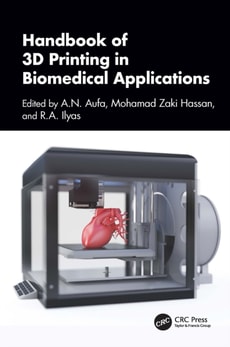
3D printing is a promising fabrication technique capable of creating objects with precise structures and shapes based on 3D model data, allowing for versatile alterations and production of intricate shapes while also reducing the consumption of feedstock, particularly crucial in the cost-sensitive realm of medicine.
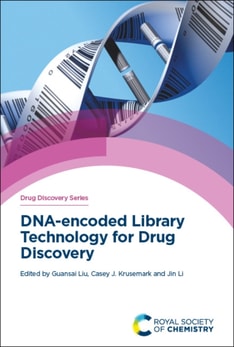
DNA-encoded libraries have numerous advantages over traditional screening methods, including easy identification of compounds and the large quantity of compounds that can be screened simultaneously.
DNA-encoded libraries have numerous advantages over traditional screening methods, including easy identification of compounds and the large quantity of compounds that can be screened simultaneously.
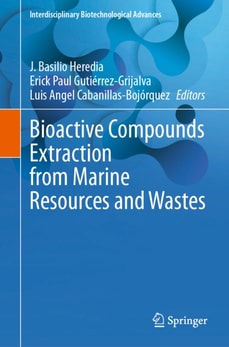
This book provides information about the principal biotechnological strategies (enzyme-assisted extraction, liquid fermentation, and solid-state fermentation) used for the bioactive compounds (bioactive peptides, carotenoids, phenolic acids, polyunsaturated fatty acids, vitamins, and minerals, among others) extraction from the marine resource (marine animals, microalgae, seaweed, among others) and wastes (crustaceans, fish, and others).
This book provides information about the principal biotechnological strategies (enzyme-assisted extraction, liquid fermentation, and solid-state fermentation) used for the bioactive compounds (bioactive peptides, carotenoids, phenolic acids, polyunsaturated fatty acids, vitamins, and minerals, among others) extraction from the marine resource (marine animals, microalgae, seaweed, among others) and wastes (crustaceans, fish, and others).