By improving our understanding of how the tangible and intangible dimensions of heritage are correlated, we could develop a relationship with heritage that goes beyond the mere act of conservation.
First emerging at the beginning of the twentieth century, architectural reconstruction has increasingly become an instrument to visually revive a long bygone past.
First emerging at the beginning of the twentieth century, architectural reconstruction has increasingly become an instrument to visually revive a long bygone past.
"e;Society of Architectural Historians Spiro Kostof Book Award, Honorable Mention, 2018"e;The conservation of old Sanaa is a major cultural heritage initiative that began in the 1980's under the auspices of UNESCO; it continues today, led by local agencies and actors.
"e;Society of Architectural Historians Spiro Kostof Book Award, Honorable Mention, 2018"e;The conservation of old Sanaa is a major cultural heritage initiative that began in the 1980's under the auspices of UNESCO; it continues today, led by local agencies and actors.
Island Landscapes takes a critical look at the evolution of European islandscapes and seascapes to examine the conditions facing them in the twenty first century.
Island Landscapes takes a critical look at the evolution of European islandscapes and seascapes to examine the conditions facing them in the twenty first century.
In 1972, UNESCO put in place the World Heritage Convention, a highly successful international treaty that influences heritage activity in virtually every country in the world.
In 1972, UNESCO put in place the World Heritage Convention, a highly successful international treaty that influences heritage activity in virtually every country in the world.
Set within a wider British and international context of post-war reconstruction, The Everyday Experiences of Reconstruction and Regeneration focuses on such debates and experiences in Birmingham and Coventry as they recovered from Second World War bombings and post-war industrial collapse.
Set within a wider British and international context of post-war reconstruction, The Everyday Experiences of Reconstruction and Regeneration focuses on such debates and experiences in Birmingham and Coventry as they recovered from Second World War bombings and post-war industrial collapse.
Even though the idea of altering an existing building is presently a well established practice within the context of adaptive reuse, when the building in question is a 'mnemonic building', of recognized heritage value, alterations are viewed with suspicion, even when change is a recognized necessity.
Even though the idea of altering an existing building is presently a well established practice within the context of adaptive reuse, when the building in question is a 'mnemonic building', of recognized heritage value, alterations are viewed with suspicion, even when change is a recognized necessity.
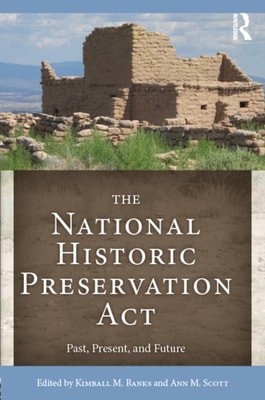
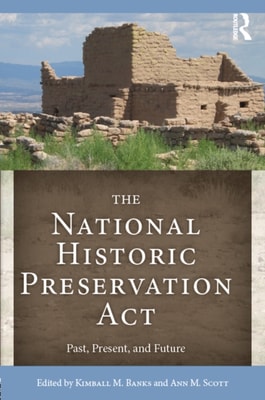
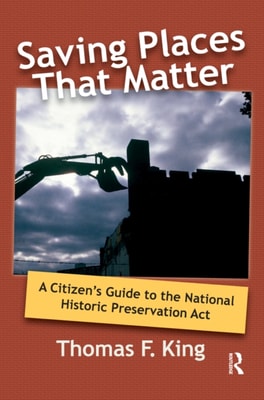
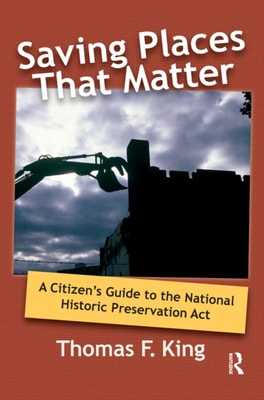
Assessing fifty years of the National Historic Preservation Act (NHPA), passed in 1966, this volume examines the impact of this key piece of legislation on heritage practices in the United States.
Assessing fifty years of the National Historic Preservation Act (NHPA), passed in 1966, this volume examines the impact of this key piece of legislation on heritage practices in the United States.
UnDoing Buildings: Adaptive Reuse and Cultural Memory discusses one of the greatest challenges for twenty-first-century society: what is to be done with the huge stock of existing buildings that have outlived the function for which they were built?
UnDoing Buildings: Adaptive Reuse and Cultural Memory discusses one of the greatest challenges for twenty-first-century society: what is to be done with the huge stock of existing buildings that have outlived the function for which they were built?
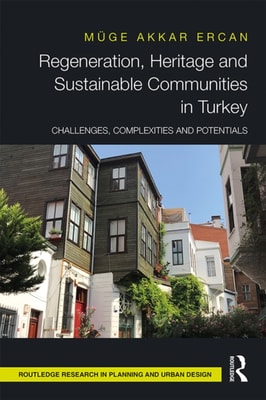
Over the last three decades, historic housing areas have become one of the major concerns in urban regeneration, housing renovation and conservation projects.
Over the last three decades, historic housing areas have become one of the major concerns in urban regeneration, housing renovation and conservation projects.
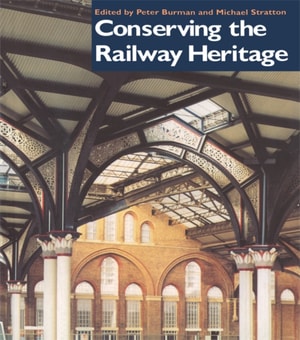
Great Britain not only invented the main-line railway but has also led the way in it's preservation - not just locomotves and carriages but also the buildings and structures that bear witness to the confidence of railway developers, architects and engineers.
Great Britain not only invented the main-line railway but has also led the way in it's preservation - not just locomotves and carriages but also the buildings and structures that bear witness to the confidence of railway developers, architects and engineers.
This third edition of the standard text Countryside Conservation charts and evaluates those changes which represent a fundamental revolution in the ways in which the countryside is planned and managed.
This third edition of the standard text Countryside Conservation charts and evaluates those changes which represent a fundamental revolution in the ways in which the countryside is planned and managed.
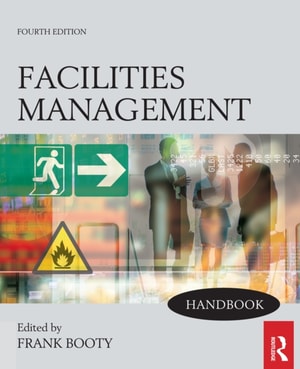
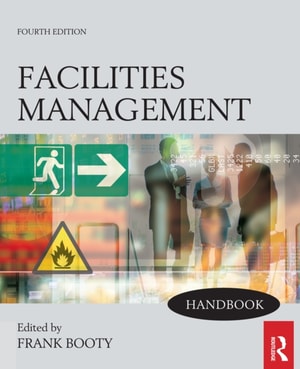
Now in this fourth edition, the Facilities Management Handbook has been fully updated from the acclaimed previous editions, continuing its status as an invaluable resource to those working in facilities management, whether just starting out or as seasoned campaigners and practitioners.
Now in this fourth edition, the Facilities Management Handbook has been fully updated from the acclaimed previous editions, continuing its status as an invaluable resource to those working in facilities management, whether just starting out or as seasoned campaigners and practitioners.
People can be excluded from freedom and the good things in life by age, disability, poverty, unfair discrimination, crime or the fear of crime, and arrogant and unresponsive governments.
People can be excluded from freedom and the good things in life by age, disability, poverty, unfair discrimination, crime or the fear of crime, and arrogant and unresponsive governments.
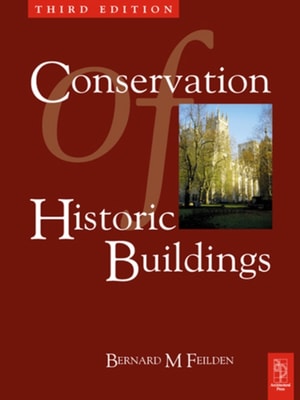
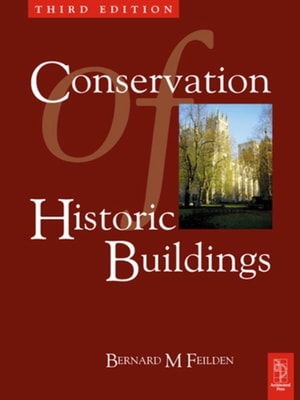
Since its publication in 1982 Sir Bernard Feilden's Conservation of Historic Buildings has become the standard text for architects and others involved in the conservation of historic structures.
Since its publication in 1982 Sir Bernard Feilden's Conservation of Historic Buildings has become the standard text for architects and others involved in the conservation of historic structures.