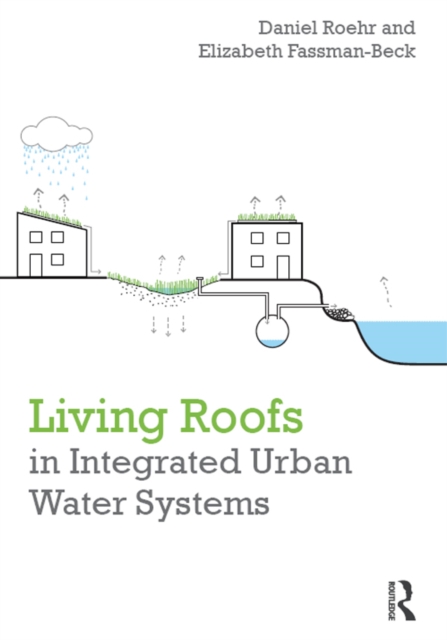
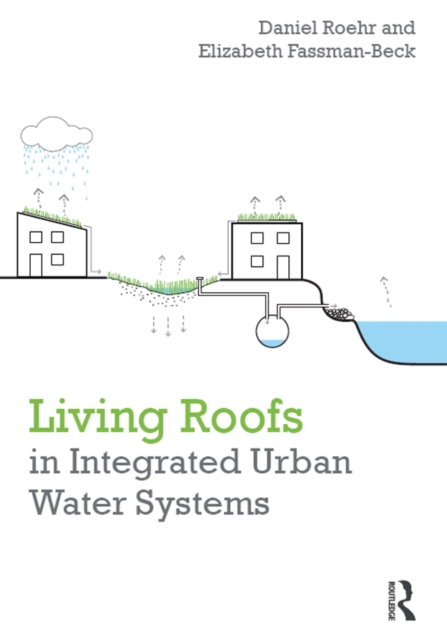
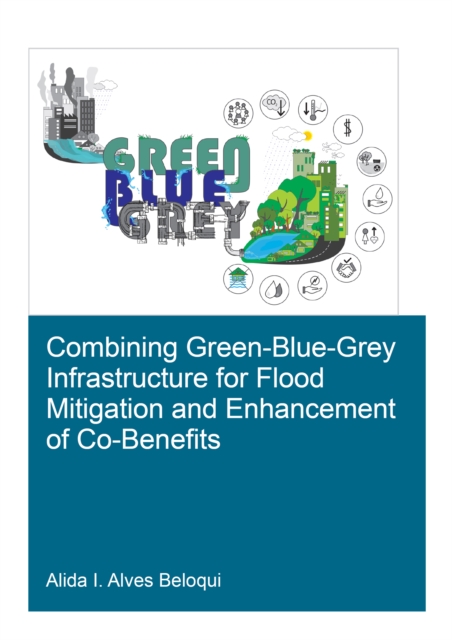
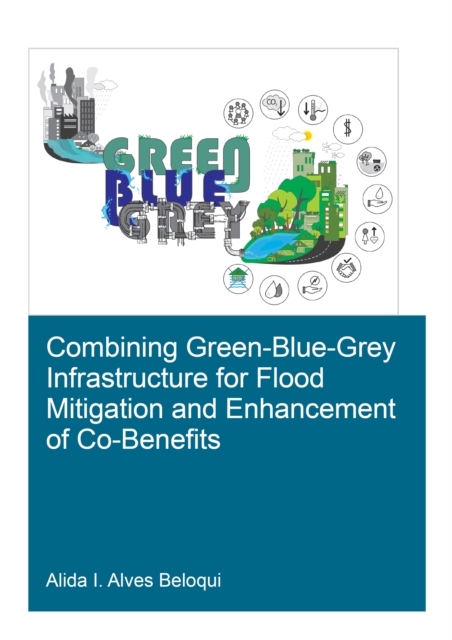
The unprecedented growth of cities has a significant impact on future flood risk that might exceed the impacts of climate change in many metropolitan areas across the world.
The unprecedented growth of cities has a significant impact on future flood risk that might exceed the impacts of climate change in many metropolitan areas across the world.
With the infrastructure to manage storm water threats in cities becoming increasingly expensive to build or repair, the design community needs to look at alternative approaches.
With the infrastructure to manage storm water threats in cities becoming increasingly expensive to build or repair, the design community needs to look at alternative approaches.
Primarily written as course material on flood control and drainage engineering for advanced students of civil engineering, this new fourth edition is again thoroughly revised.
Advances in Measurement Technology, Disaster Prevention and Mitigation collects papers resulting from the conference on Measurement Technology, Disaster Prevention and Mitigation (MTDPM 2022), Zhengzhou, China, 27-29 May, 2022.
Advances in Measurement Technology, Disaster Prevention and Mitigation collects papers resulting from the conference on Measurement Technology, Disaster Prevention and Mitigation (MTDPM 2022), Zhengzhou, China, 27-29 May, 2022.
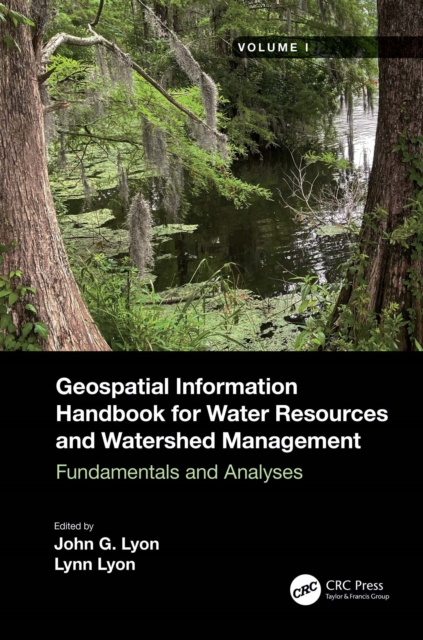
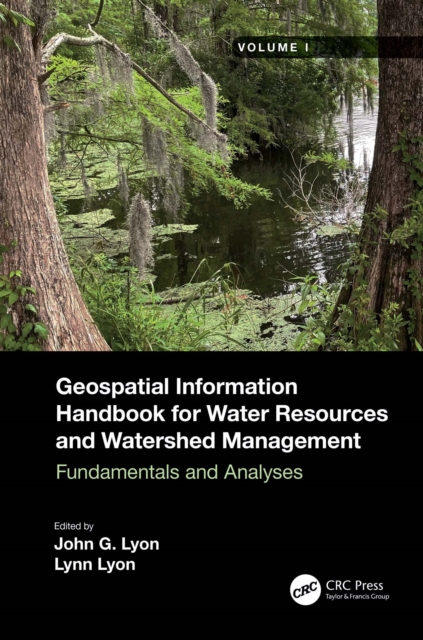
Volume I of Geospatial Information Handbook for Water Resources and Watershed Management discusses fundamental characteristics, measurements, and analyses of water features and watersheds including lakes and reservoirs, rivers and streams, and coasts and estuaries.
Volume I of Geospatial Information Handbook for Water Resources and Watershed Management discusses fundamental characteristics, measurements, and analyses of water features and watersheds including lakes and reservoirs, rivers and streams, and coasts and estuaries.
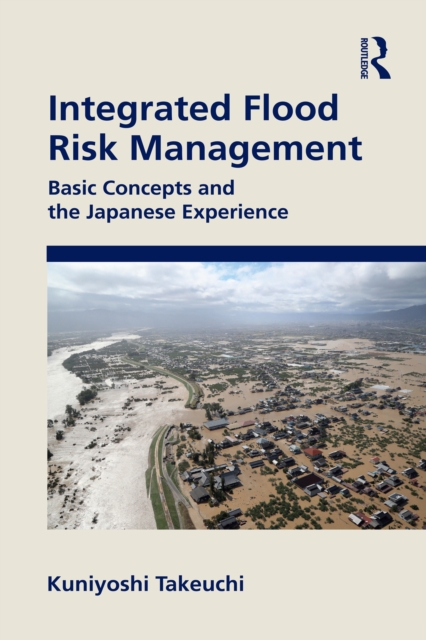
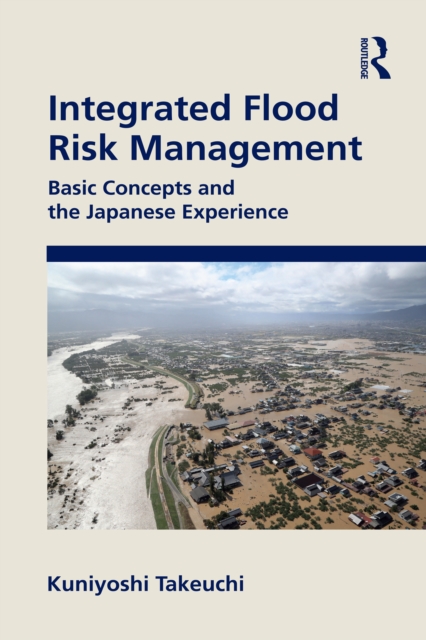
This book tackles the question of how we can manage flood-related disaster risks, such as from typhoons, monsoons, and torrential rain, which have been intensified by climate change and have generated unprecedented floods, landslides and debris flows worldwide.
This book tackles the question of how we can manage flood-related disaster risks, such as from typhoons, monsoons, and torrential rain, which have been intensified by climate change and have generated unprecedented floods, landslides and debris flows worldwide.
The negative impacts of floods are attributed to the extent and magnitude of a flood hazard, and the vulnerability and exposure of natural and human elements.
The negative impacts of floods are attributed to the extent and magnitude of a flood hazard, and the vulnerability and exposure of natural and human elements.
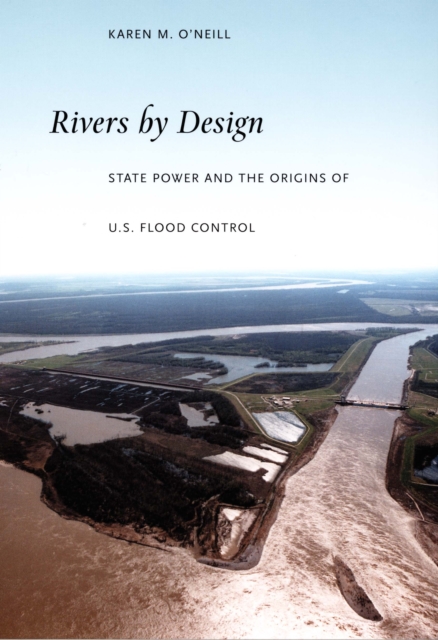
The United States has one of the largest and costliest flood control systems in the world, even though only a small proportion of its land lies in floodplains.
The latest cutting-edge research on flood pulsing and wetland restoration in North America Presenting the latest research from leaders in the field of restoration ecology, Flood Pulsing in Wetlands reflects the current movement to incorporate flood pulsing into wetland restoration efforts.
This illustrated notebook highlights the need for a change of paradigm in current flood management practices, one that acknowledges the wide-ranging and interdisciplinary benefits brought by public space design.
This illustrated notebook highlights the need for a change of paradigm in current flood management practices, one that acknowledges the wide-ranging and interdisciplinary benefits brought by public space design.
Publisher's Note: Products purchased from Third Party sellers are not guaranteed by the publisher for quality, authenticity, or access to any online entitlements included with the product.
As cities grow and climates change, precipitation increases, and with every great storm-from record-breaking Boston blizzards to floods in Houston-come buckets of stormwater and a deluge of problems.
In the past thirty years, knowledge on flooding has greatly increased by moving away from purely hydrological and hydraulic science and opening up to other disciplines such as economics or human and geographical sciences.
Recurring and worsening flood incidence around the world has necessitated the understanding and strengthening of community-based flood risk management from an international perspective.