The Deep Mixing Method (DMM), a deep in-situ soil stabilization technique using cement and/or lime as a stabilizing agent, was developed in Japan and in the Nordic countries independently in the 1970s.
Blasting practices in mines have undergone many changes in the recent past and continue to be honed and reconfigured to meet the demands of today,s mining needs.
This book provides a comprehensive text on the geotechnical and geological aspects of the investigations for and the design and construction of new dams and the review and assessment of existing dams.
A Rapid Load Test (RLT), developed to determine the initial stiffness and bearing capacity, is an economical and practical alternative to a Static Load Test (SLT).
The book provides a guide to rock engineers and engineering geologists as to how to perform laboratory tests and how to use the existing data for solving practical rock engineering design and operating problems.
Residual soils are found in many parts of the world and are used extensively as construction materials for roads, embankments and dams, and to support the foundations of buildings, bridges and load-bearing pavements.
Rocks and soils can behave as discontinuous materials, both physically and mechanically, and for such discontinuous nature and behaviour there remain challenges in numerical modelling methods and techniques.
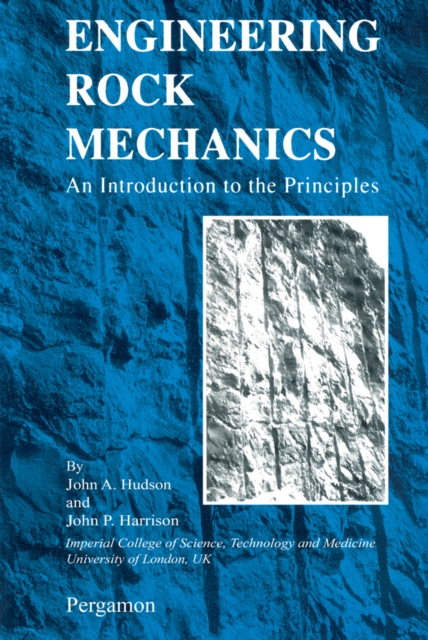
Given the recent advances in site investigation techniques, computing, access to information and monitoring, plus the current emphasis on safety, accountability and sustainability, this book introduces an up-to-date methodology for the design of all types of rock engineering projects, whether surface or underground.
The International Mining Forum is a meeting of scientists and professionals for exchanging new ideas and experiences, evaluate previously implemented solutions, and discuss fresh ideas that might change the mining industry's image.
The study of rock dynamics is important because many rock mechanics and rock engineering problems involve dynamic loading ranging from earthquakes to vibrations and explosions.
This book comprises the proceedings of the international conference Shaking the Foundations of Geo-engineering Education (NUI Galway, Ireland, 4-6 July 2012), a major initiative of the International Society of Soil Mechanics and Geotechnical Engineering (ISSMGE) Technical Committee (TC306) on Geo-engineering Education.
This volume deals with economic aspects of mining companies development strategies, various mineral deposits development techniques, imitational modeling of mine workings with rock massif, methane extraction technologies during coal mining, geomechanical processes during plow mining, mining transport importance for mineral extraction, massif
Wavelets as a Powerful Signal Processing ToolThe principles of wavelets can be applied to a range of problems in civil engineering structures, such as earthquake-induced vibration analysis, bridge vibrations, and damage identification.
Modeling in Geotechnical Engineering is a one stop reference for a range of computational models, the theory explaining how they work, and case studies describing how to apply them.
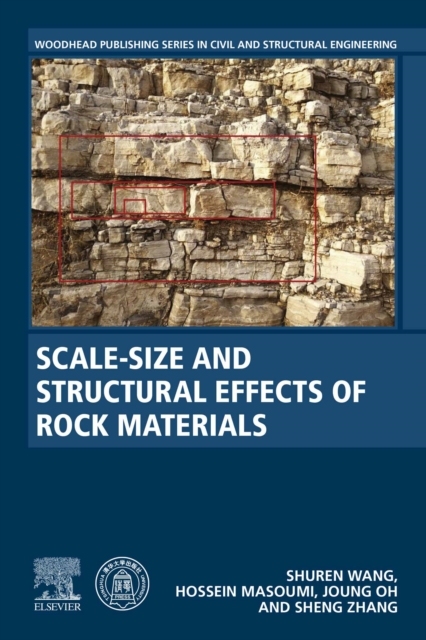
Scale-Size and Structural Effects of Rock Materials presents the latest research on the scale-size and structural effects of rock materials, including test methods, innovative technologies, and applications in indoor testing, rock mechanics and rock engineering.
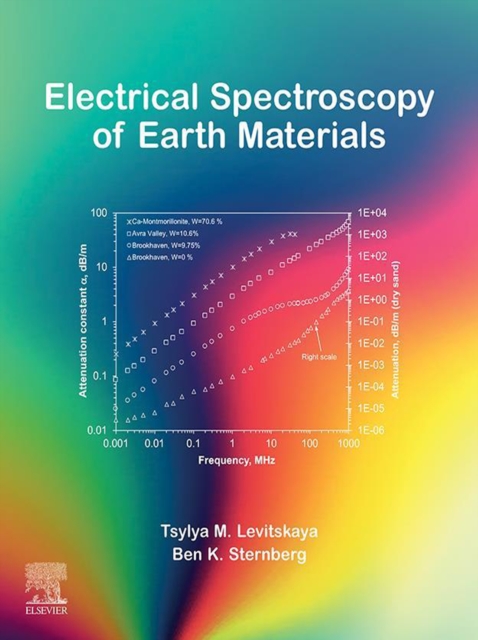
Electrical Spectroscopy of Earth Materials provides detailed coverage of theoretical and experimental methods of electrical spectroscopy of Earth materials, based on first-hand research and extensive data.
Dynamics of Rail Transit Tunnel Systems develops the dynamic theory of a rail transit tunnel system and provides research methods for the evaluation of long-term settlement of rail transit tunnels in soft soil, the service performance of tunnel structures, and the characterization of environmental vibration induced by trains.
Coal Bed Methane: Theories and Applications, Second Edition, captures the full lifecycle of a coal bed methane well and offers petroleum geologists and engineers a single source for a broad range of coal bed methane (CBM) applications.
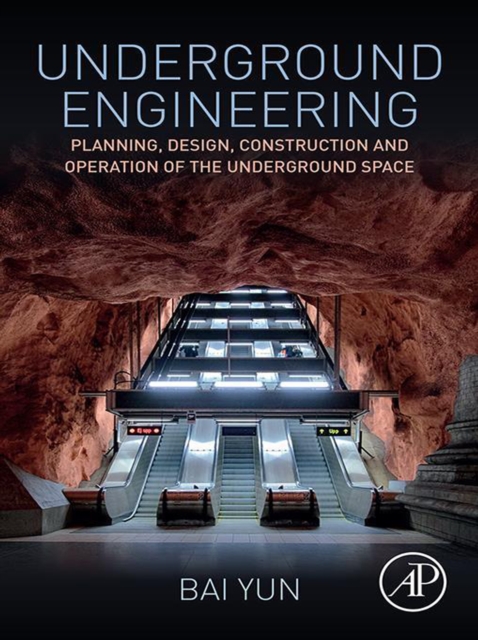
Underground Engineering: Planning, Design, Construction and Operation of the Underground Space provides the author's vast experience as both an academic and practitioner.
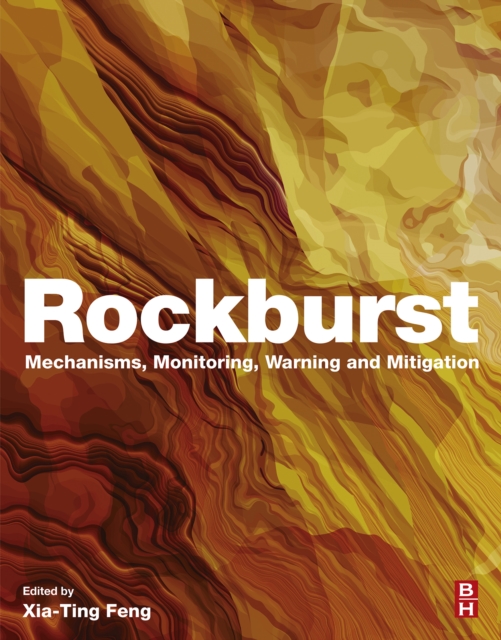
Rockburst: Mechanisms, Monitoring, Warning and Mitigation invites the most relevant researchers and practitioners worldwide to discuss the rock mechanics phenomenon related to increased stress and energy levels in intact rock introduced by drilling, explosion, blasting and other activities.
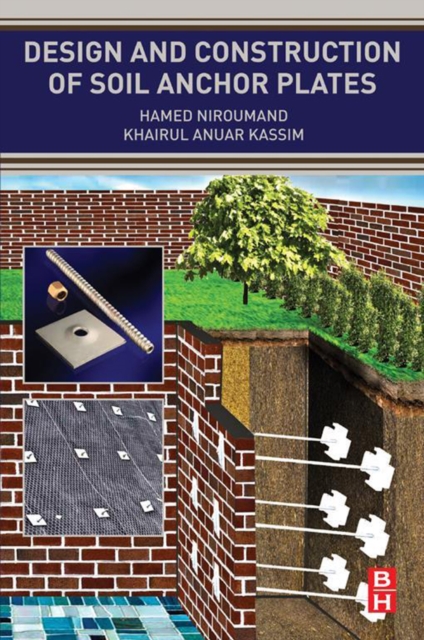
Primarily designed and constructed to resist outwardly directed loads imposed on the foundation of a structure, anchor plates play an important role in the design of structures (including seawalls, transmission towers, tunnels, buried pipelines, and retaining walls).
Written by an author with more than 25 years of field and academic experience, Soil Improvement and Ground Modification Methods explains ground improvement technologies for converting marginal soil into soil that will support all types of structures.
Advances in Multi-Physics and Multi-Scale Couplings in Geo-Environmental Mechanics reunites some of the most recent work from the French research group MeGe GDR (National Research Group on Multiscale and Multiphysics Couplings in Geo-Environmental Mechanics) on the theme of multi-scale and multi-physics modeling of geomaterials, with a special focus on micromechanical aspects.
Granular Geomechanics provides a comprehensive exploration of soils as granular materials and the manner in which a soil's engineering properties form grain-scale mechanics.
Written by an international group of contributors, Ground Improvement Case Histories: Compaction, Grouting and Geosynthetics provides over 700 pages of international case-histories.
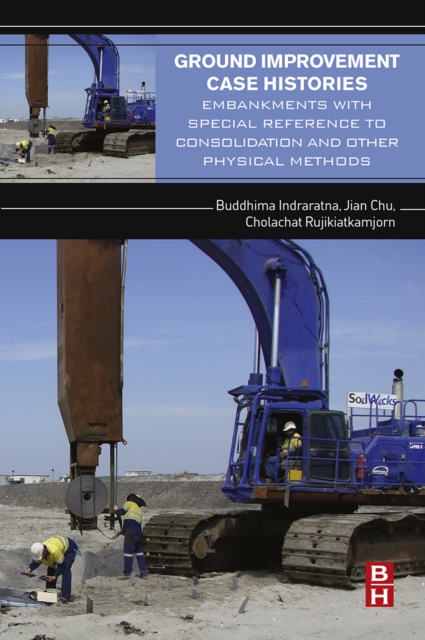
Written by a group of international contributors, Ground Improvement Case Histories: Embankments with Special Reference to Soil Consolidation and Other Physical Methods, employs the use of case-histories to illustrate and apply equations, numerical methods and technology to undertake even the most complicated ground improvement projects.
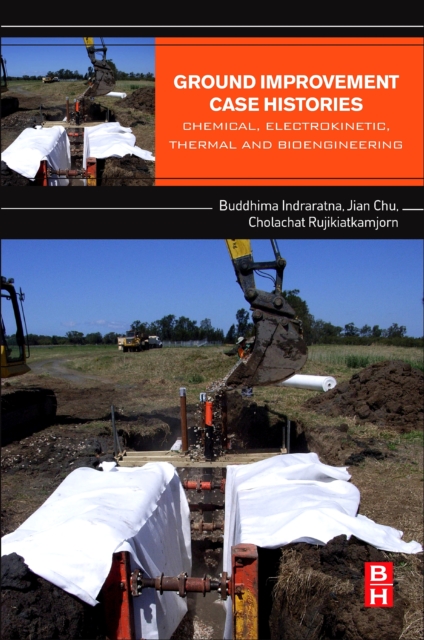
Written by an international group of experts, Ground Improvement Case Histories: Chemical, Electrokinetic, Thermal and Bioengineering Methods provides over 700 pages of case-histories collected from all over the world.
- Provides practical solutions to the challenge of modeling and analyzing rock masses- Consolidates a wealth of previously published technical papers on the subject and introduces previously unseen materialThis authoritative title is a key reference for any Geo-engineer.
Surface and Underground Excavations - Methods, Techniques and Equipment (2nd edition) covers the latest technologies and developments in the excavation arena at any locale: surface or underground.
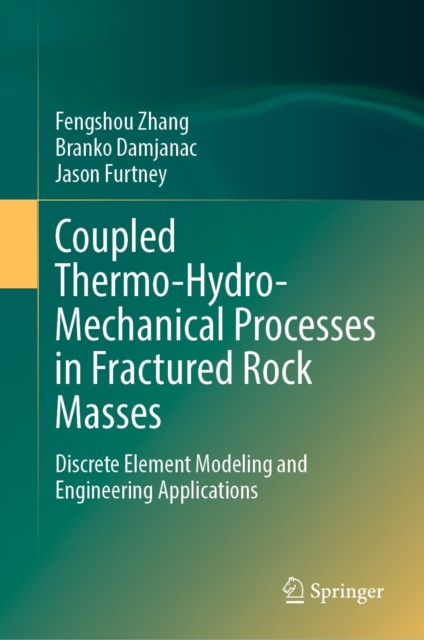
The subject of thermo-hydro-mechanical coupled processes in fractured rock masses has close relevance to energy-related deep earth engineering activities, such as enhanced geothermal systems, geological disposal of radioactive waste, sequestration of CO2, long-term disposal of waste water and recovery of hydrocarbons from unconventional reservoirs.
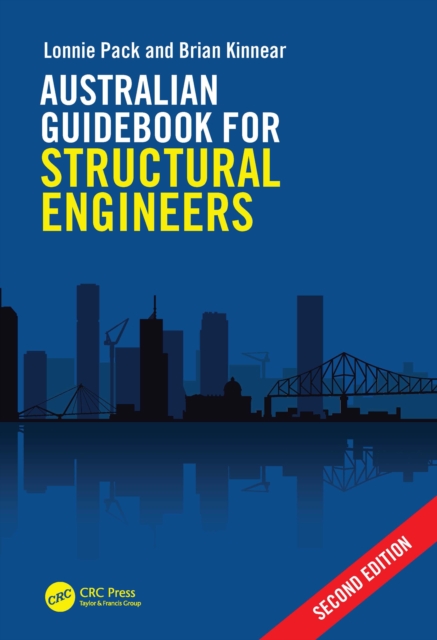
This guidebook is a practical and essential tool covering all the necessary steps for structural design engineers to create detailed and accurate calculations in accordance with Australian and international standards.
This guidebook is a practical and essential tool covering all the necessary steps for structural design engineers to create detailed and accurate calculations in accordance with Australian and international standards.