Over the last twenty years we have witnessed a revolution in ground stabilization in both underground and above-ground applications, thanks largely to the widespread adoption of shotcrete as a medium for support.
Providing real world applications for different structural types and seismic characteristics, Seismic Design of Steel Structures combines knowledge of seismic behavior of steel structures with the principles of earthquake engineering.
Volcanic Rock Mechanics includes papers and special lectures of the 3rd International Workshop on Volcanic Rocks, Rock Mechanics and Geo-Engineering in Volcanic Environments, which was held within the framework of the Congress ,Cities on Volcanoes6-Tenerife 2010, (Puerto de la Cruz, Tenerife, Spain, 31 May , 4 June 2010).
This volume contains 28 papers by renowned international experts on the latest advances in structural reliability methods and applications, engineering risk analysis and decision making, new optimization techniques and various applications in civil engineering.
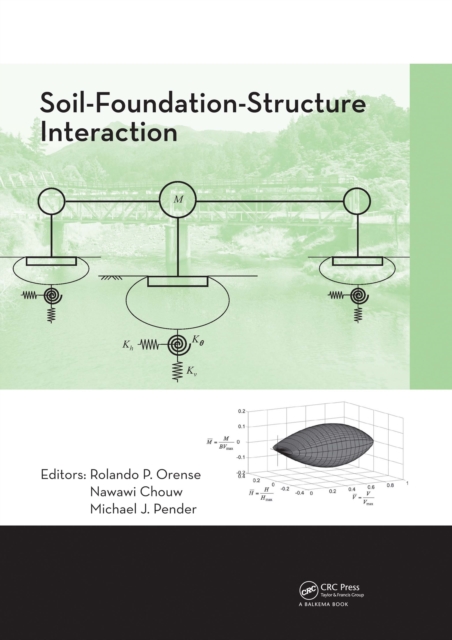
Soil-Foundation-Structure Interaction contains selected papers presented at the International Workshop on Soil-Foundation-Structure Interaction held in Auckland, New Zealand from 26-27 November 2009.
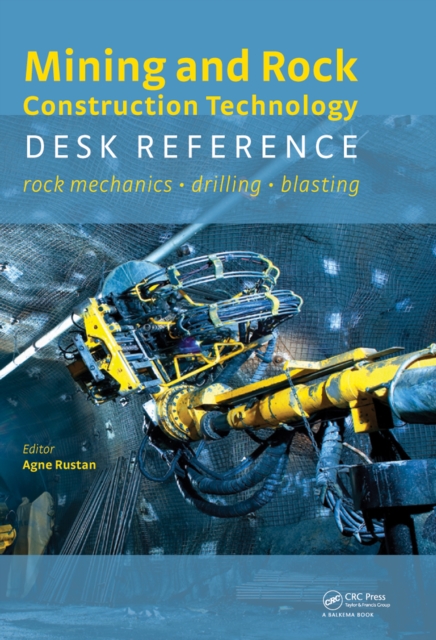
A comprehensive and illustrated desk reference with terms, definitions, explanations, abbreviations, trade names, quantifications, units and symbols used in rock mechanics, drilling and blasting.
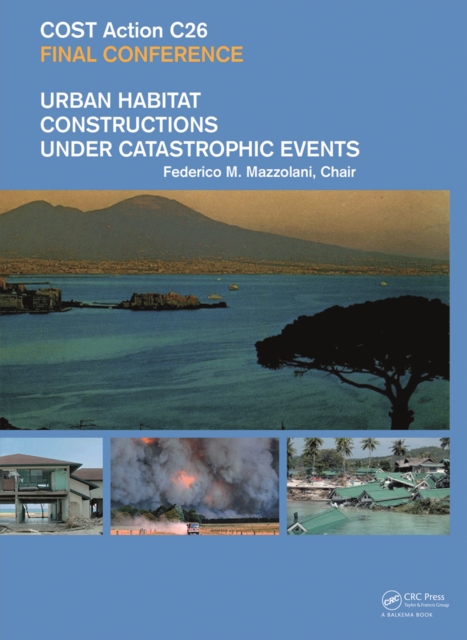
COST is an intergovernmental framework for European Cooperation in Science and Technology, allowing the coordination of nationally-funded research on a European level.
In recent years the theory and technology of modelling and computation in engineering has expanded rapidly, and has been widely applied in various kinds of engineering projects.
Since its first publication in 1974, Principles of Structure has established itself at the forefront of introductory texts for students of architecture, building and project management seeking a basic understanding of the behavior and design of building structures.
Geotechnical instrumentation is used for installation, monitoring and assessment on any sizeable project, particularly in urban areas, and is used for recording, controlled remedial work, and safety.
Seismic Rehabilitation Methods for Existing Buildings covers various structures, effective parameters in seismic improvement, and other factors in seismic loading in eight applied chapters with descriptive classification.
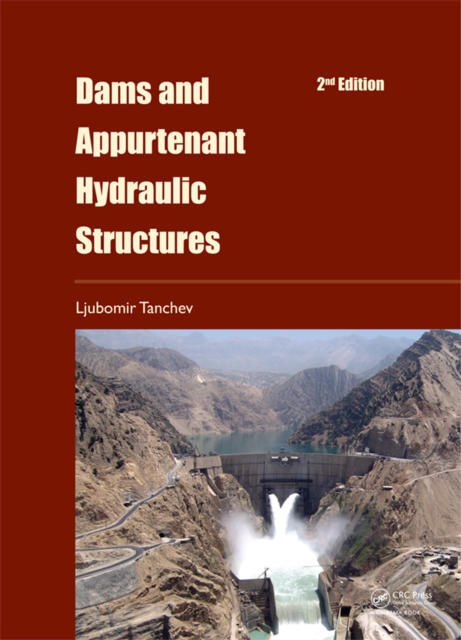
Dams and Appurtenant Hydraulic Structures, now in its second edition, provides a comprehensive and complete overview of all kinds of dams and appurtenant hydraulic structures throughout the world.
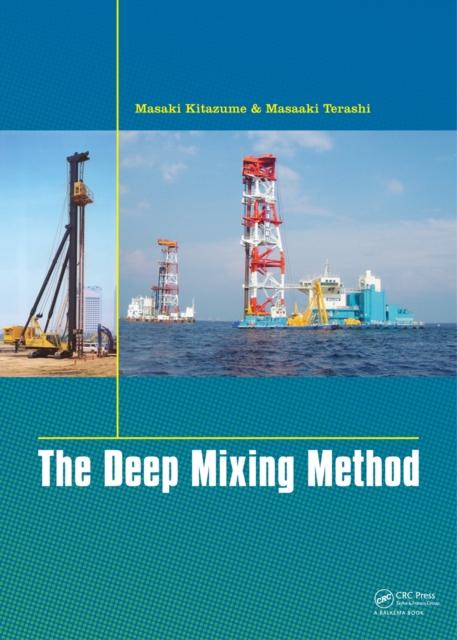
The Deep Mixing Method (DMM), a deep in-situ soil stabilization technique using cement and/or lime as a stabilizing agent, was developed in Japan and in the Nordic countries independently in the 1970s.
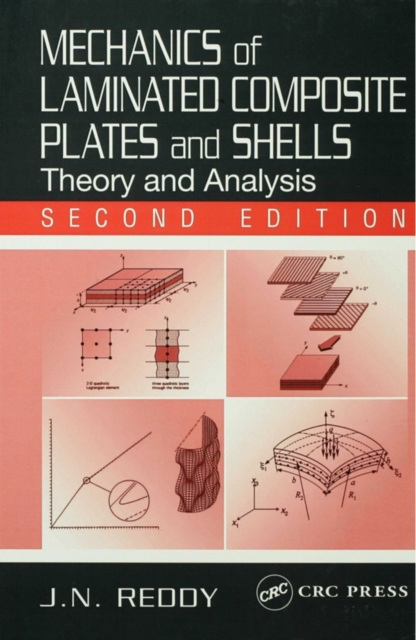
The second edition of this popular text provides complete, detailed coverage of the various theories, analytical solutions, and finite element models of laminated composite plates and shells.
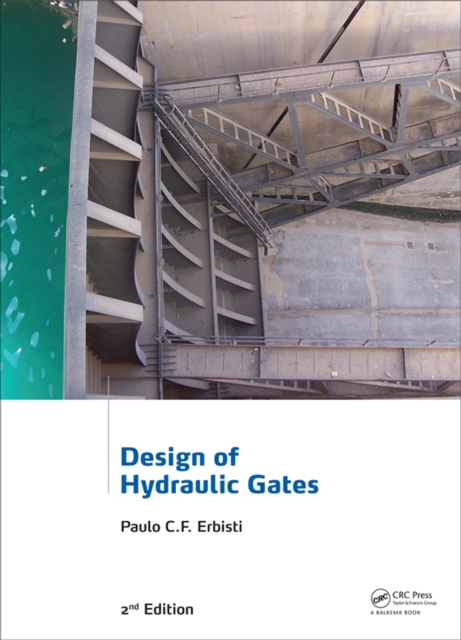
Revised and updated, this second edition of Design of Hydraulic Gates maintains the same goal as the original: to be used as a textbook and a manual of design of gates, presenting the main aspects of design, manufacture, installation and operation of hydraulic gates, while introducing new products, technologies and calculation procedures.
Blasting practices in mines have undergone many changes in the recent past and continue to be honed and reconfigured to meet the demands of today,s mining needs.
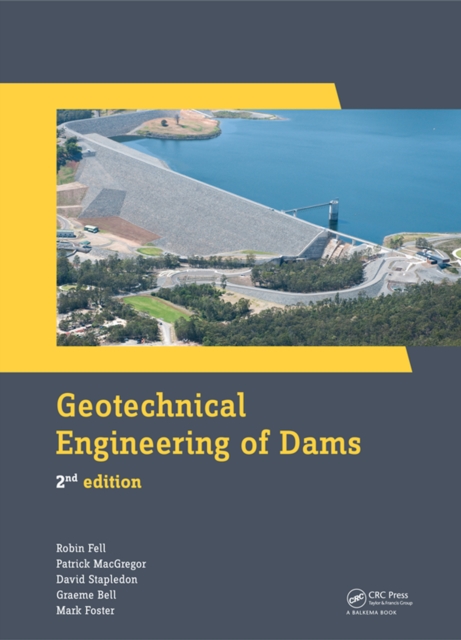
This book provides a comprehensive text on the geotechnical and geological aspects of the investigations for and the design and construction of new dams and the review and assessment of existing dams.
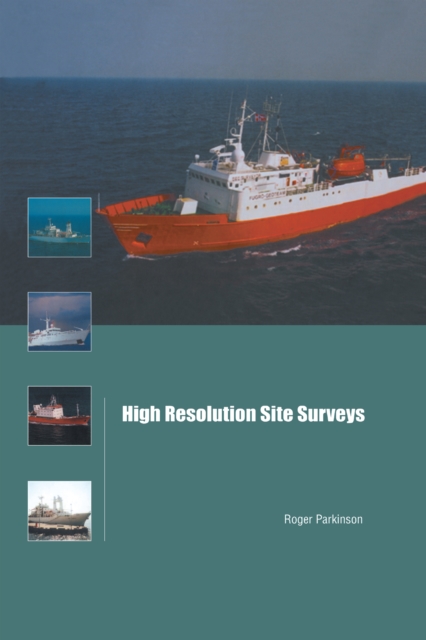
High Resolution Site Surveys brings together the full range of site surveying techniques for the first time, to provide a unified approach to marine and land-based resolution surveying.
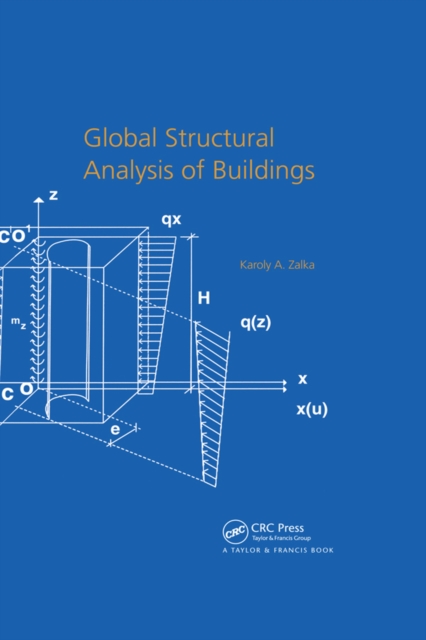
Global Structural Analysis of Buildings is a practical reference on the design and assessment of building structures which will help the reader to check the safety and overall performance of buildings in minutes.
A Rapid Load Test (RLT), developed to determine the initial stiffness and bearing capacity, is an economical and practical alternative to a Static Load Test (SLT).
The book provides a guide to rock engineers and engineering geologists as to how to perform laboratory tests and how to use the existing data for solving practical rock engineering design and operating problems.
Find Practical Solutions to Civil Engineering Design and Cost Management ProblemsA guide to successfully designing, estimating, and scheduling a civil engineering project, Integrated Design and Cost Management for Civil Engineers shows how practicing professionals can design fit-for-use solutions within established time frames and reliable budgets.
Residual soils are found in many parts of the world and are used extensively as construction materials for roads, embankments and dams, and to support the foundations of buildings, bridges and load-bearing pavements.
Rocks and soils can behave as discontinuous materials, both physically and mechanically, and for such discontinuous nature and behaviour there remain challenges in numerical modelling methods and techniques.
The book is an excellent text as well as a practical reference for civil, mechanical and aerospace engineers and has been identified as a work that is admirable in its lucidity and complete in itself.
This book examines and presents essential aspects of the behavior, analysis, design and detailing of reinforced concrete buildings subjected to strong seismic activity.
Given the recent advances in site investigation techniques, computing, access to information and monitoring, plus the current emphasis on safety, accountability and sustainability, this book introduces an up-to-date methodology for the design of all types of rock engineering projects, whether surface or underground.
The International Mining Forum is a meeting of scientists and professionals for exchanging new ideas and experiences, evaluate previously implemented solutions, and discuss fresh ideas that might change the mining industry's image.
Since AAR was first identified in 1940, it has been a subject dominated by studies of the mineralogy of AAR-susceptible aggregates, the chemistry of the AAR and related reactions and laboratory tests used to diagnose AAR and predict potential future swelling.
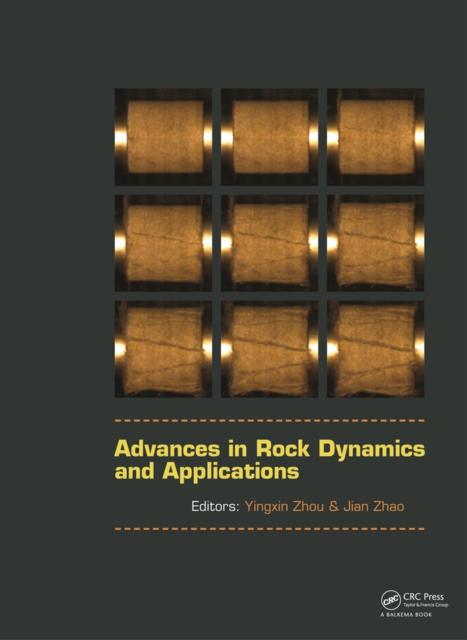
The study of rock dynamics is important because many rock mechanics and rock engineering problems involve dynamic loading ranging from earthquakes to vibrations and explosions.
This book comprises the proceedings of the international conference Shaking the Foundations of Geo-engineering Education (NUI Galway, Ireland, 4-6 July 2012), a major initiative of the International Society of Soil Mechanics and Geotechnical Engineering (ISSMGE) Technical Committee (TC306) on Geo-engineering Education.
This volume deals with economic aspects of mining companies development strategies, various mineral deposits development techniques, imitational modeling of mine workings with rock massif, methane extraction technologies during coal mining, geomechanical processes during plow mining, mining transport importance for mineral extraction, massif
Wavelets as a Powerful Signal Processing ToolThe principles of wavelets can be applied to a range of problems in civil engineering structures, such as earthquake-induced vibration analysis, bridge vibrations, and damage identification.
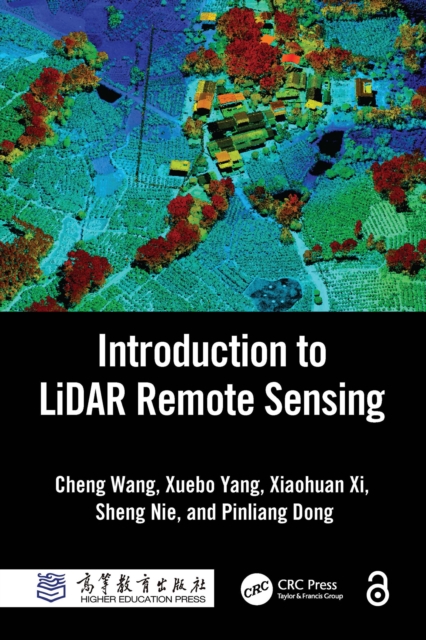
Light detection and ranging, or LiDAR, is an advanced active remote sensing technology developed in the last 30 years to measure variable distances to the Earth.
Medieval bridges are startling achievements of design and engineering comparable with the great cathedrals of the period, and are also proof of the great importance of road transport in the middle ages and of the size and sophistication of the medieval economy.