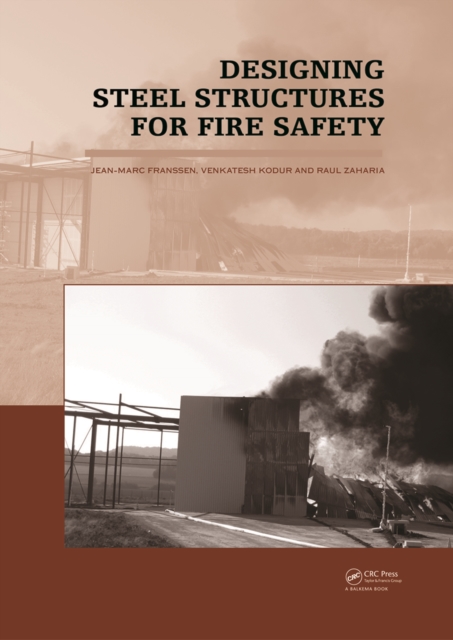
Structural design in fire conditions is conceptually similar to structural design in normal temperature conditions, but often more difficult because of internal forces induced by thermal expansion, strength reduction due to elevated temperatures, much larger deflections, and numerous other factors.
Originally developed for mechanical and aeronautical engineering, structural optimization is not so easily applied to civil and architectural engineering, as structures in these fields are not mass products, but more often unique structures planned in accordance with specific design requirements.
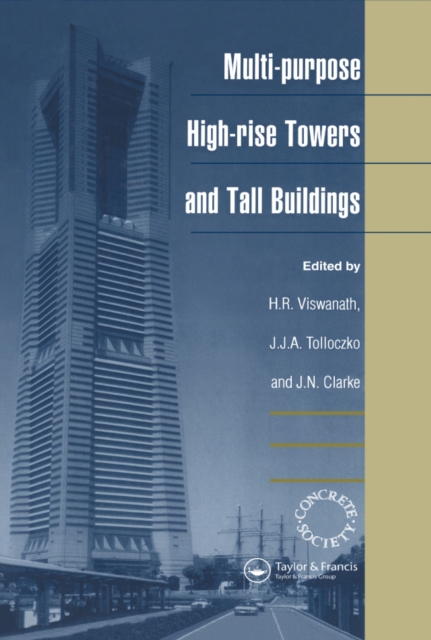
Interest continues to develop in the design and construction of high-rise towers and tall buildings, structures with heights ranging from 75m to 500m and even more.
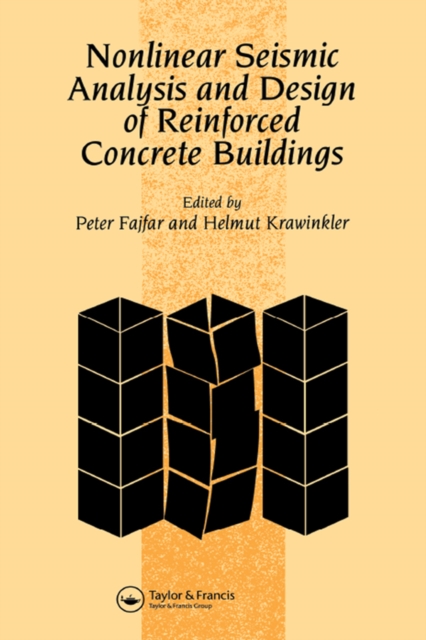
Forty scientists working in 13 different countries detail in this work the most recent advances in seismic design and performance assessment of reinforced concrete buildings.
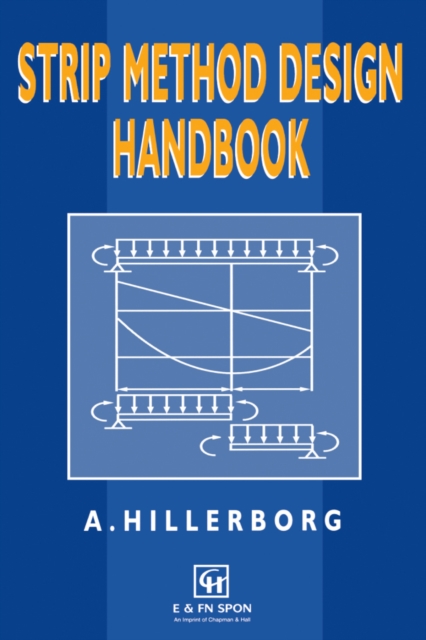
The Strip Method Design Handbook is a thorough guide to the use of the strip method, developed by Arne Hillerborg, for design of reinforced concrete slabs.
Testing of materials and manufactured items is a key element in the process from standard specifications though control and verification during manufacture to trade in actual products.
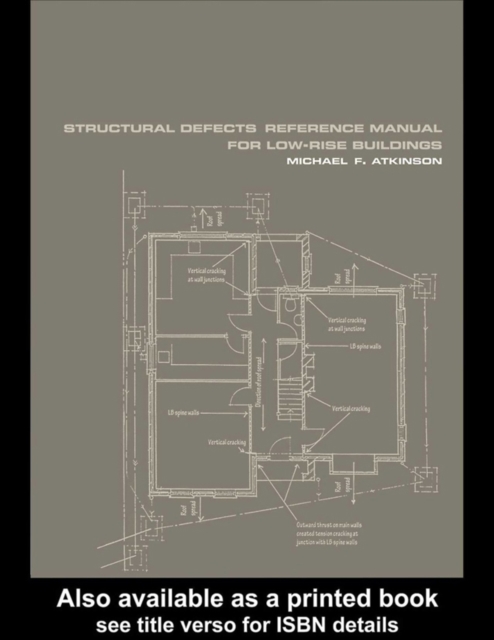
The Structural Defects Reference Manual for Low-Rise Buildings has been written to assist professionals and students involved in building construction to identify causes of structural failure.
Nonlinear Vibration and Dynamics of Smart Continuous Structures and Materials delves into intricate subjects concerning the analysis of nonlinear vibration issues in continuous structures.
The International Mining Forum is a recurring event, hosted by the University of Science and Technology in Cracow, Poland, bringing together an international group of scientists, including those working in rock mechanics and computer engineering as well as mining engineers.
Elastic plates form a class of very important mechanical structures that appear in a wide range of practical applications, from building bodies to microchip production.
While the finite element method (FEM) has become the standard technique used to solve static and dynamic problems associated with structures and machines, ANSYS software has developed into the engineer's software of choice to model and numerically solve those problems.
The International Conference on Advanced Materials, Structures and Mechanical Engineering 2015 (ICAMSME 2015) was held on May 29-31, Incheon, South-Korea.
Proposing a simplified but intergrated scenario of concrete life cycle simulation method, this book examines and explains the vast amount of experimental observations related to hardening concrete using a common set of physical laws.
Collision and Grounding of Ships and Offshore Structures contains the latest research results and innovations presented at the 6th International Conference on Collision and Grounding of Ships and Offshore Structures (Trondheim, Norway, 17-19 June 2013).
The ever-increasing traffic demands, coupled with deteriorating condition of bridge structures, present great challenges for maintaining a healthy transportation network.
The study of rock dynamics is important because many rock mechanics and rock engineering problems involve dynamic loading ranging from earthquakes to vibrations and explosions.
Steel and Composite Structures: Behaviour and Design for Fire Safety presents a systematic and thorough description of the behaviour of steel and composite structures in fire, and shows how design methods are developed to quantify our understanding.
Although the Trefftz finite element method (FEM) has become a powerful computational tool in the analysis of plane elasticity, thin and thick plate bending, Poisson's equation, heat conduction, and piezoelectric materials, there are few books that offer a comprehensive computer programming treatment of the subject.
An innovative concept, smart structural systems have proven to be extremely effective in absorbing damaging energy and/or counteracting potentially devastating force, thus limiting structural collapse and subsequent injury.
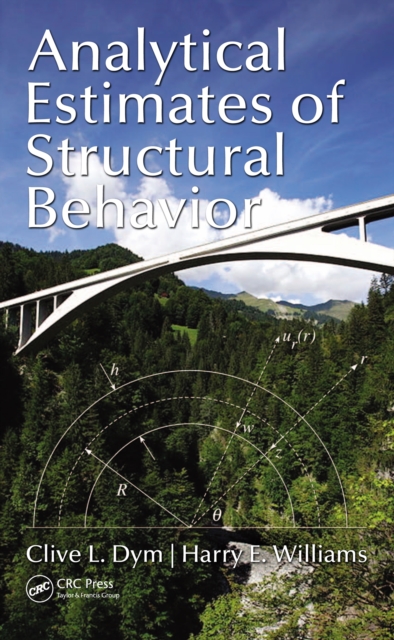
Explicitly reintroducing the idea of modeling to the analysis of structures, Analytical Estimates of Structural Behavior presents an integrated approach to modeling and estimating the behavior of structures.
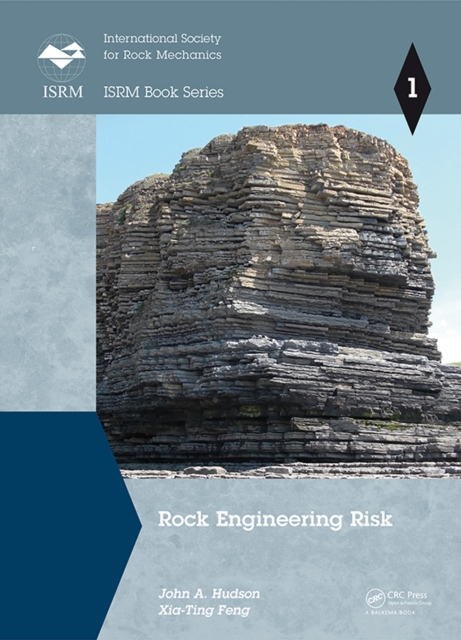
This book provides a new, necessary and valuable approach to the consideration of risk in underground engineering projects constructed within rock masses.
One of the principal objections to or problems with the use of nuclear fuel is that a proven method for safe disposal of spent nuclear fuel has yet to be established.
Over the last twenty years we have witnessed a revolution in ground stabilization in both underground and above-ground applications, thanks largely to the widespread adoption of shotcrete as a medium for support.
A multidisciplinary field, encompassing both geophysics and civil engineering, geomechanics deals with the deformation and failure process in geomaterials such as soil and rock.
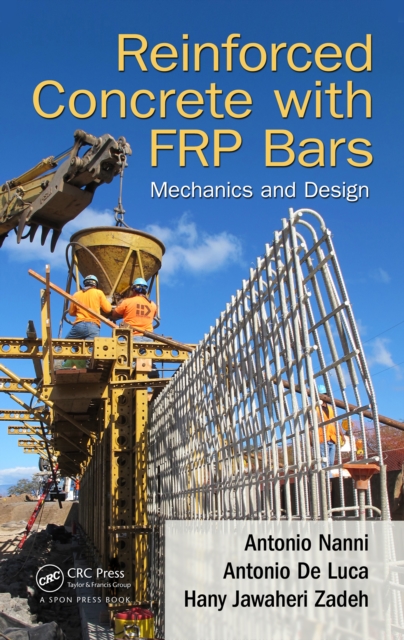
Corrosion-resistant, electromagnetic transparent and lightweight fiber-reinforced polymers (FRPs) are accepted as valid alternatives to steel in concrete reinforcement.
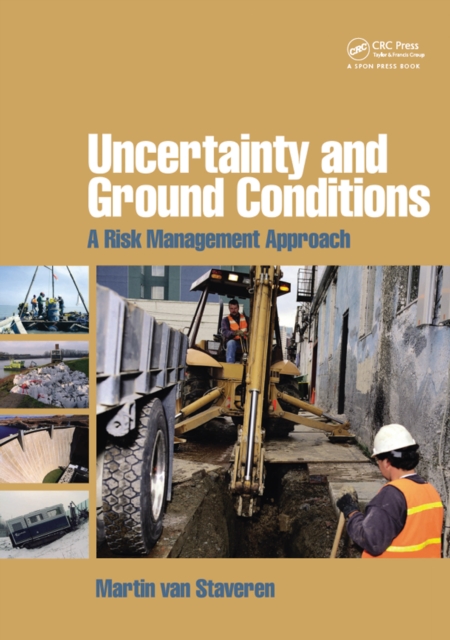
All civil engineering and construction projects require some sort of solid foundation, but ground conditions bring some degree of uncertainty to every project.
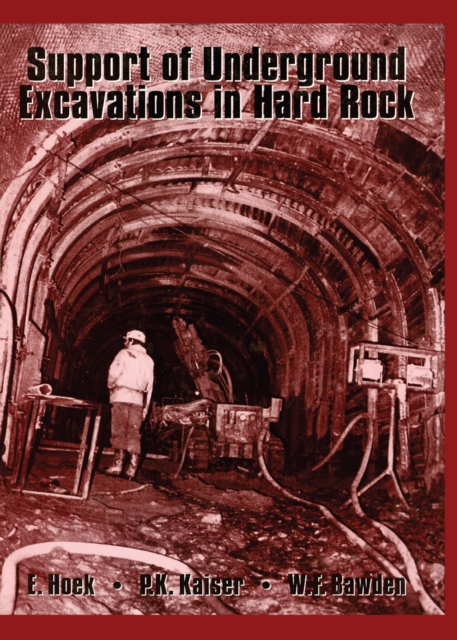
The safe and economical construction of tunnels, mines, and other subterranean works depends on the correct choice of support systems to ensure that the excavations are stable.
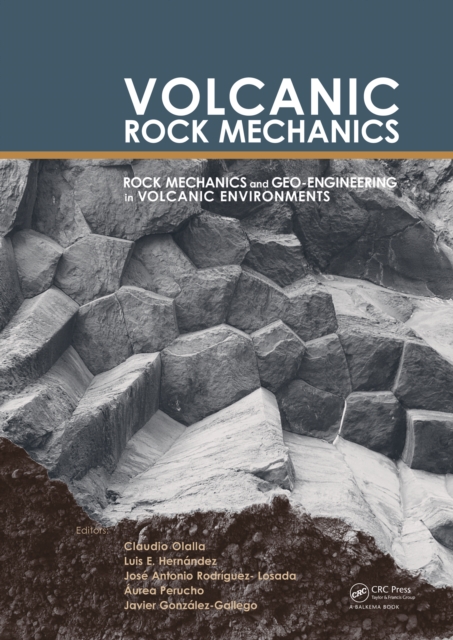
Volcanic Rock Mechanics includes papers and special lectures of the 3rd International Workshop on Volcanic Rocks, Rock Mechanics and Geo-Engineering in Volcanic Environments, which was held within the framework of the Congress ,Cities on Volcanoes6-Tenerife 2010, (Puerto de la Cruz, Tenerife, Spain, 31 May , 4 June 2010).
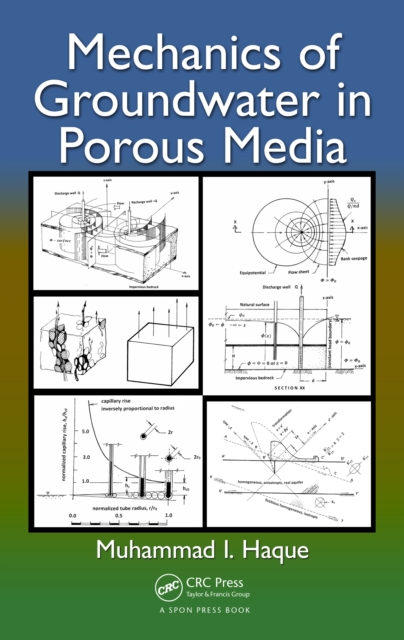
Provides a Balance between the Mathematical and Physical Aspects and the Engineering ApplicationsWritten for engineering and science students, Mechanics of Groundwater in Porous Media explains groundwater from both a mathematical and qualitative standpoint.
This book is specifically concerned with pipes of rigid materials and provides some information on 'flexible' pipes that are available and on their behaviour and use as being of value to the engineer in making an initial choice.
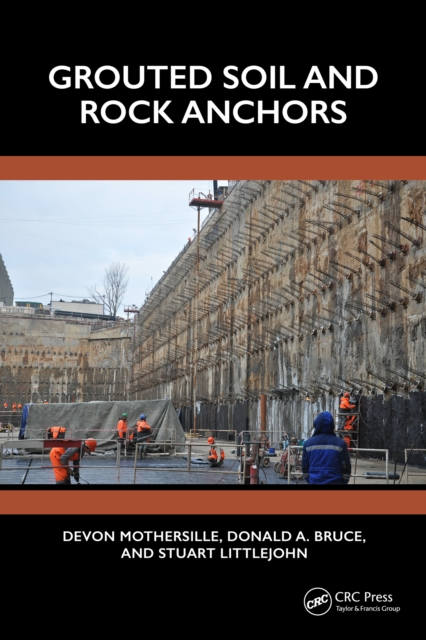
This book delves deep into the crucial aspects of grouted soil and rock anchors, providing a contemporary perspective on the best practices in anchor technology that are directly applicable to the work of consulting engineers, contractors and students in the field.