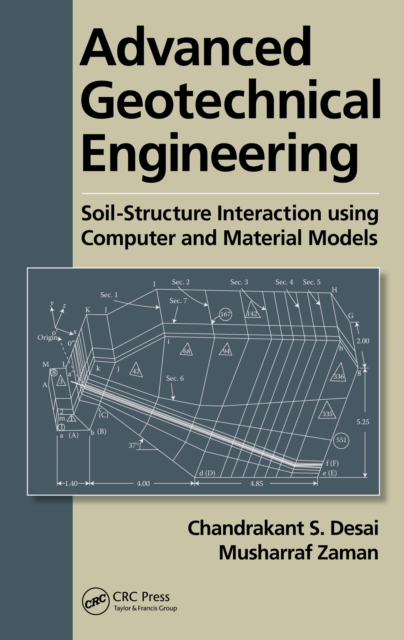
Soil-structure interaction is an area of major importance in geotechnical engineering and geomechanics Advanced Geotechnical Engineering: Soil-Structure Interaction using Computer and Material Models covers computer and analytical methods for a number of geotechnical problems.
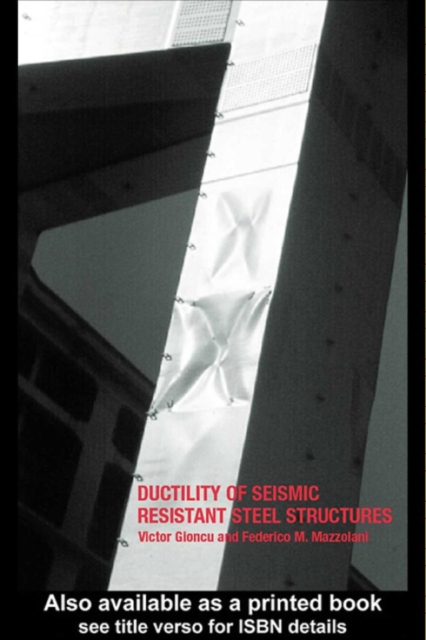
This book is a state-of-the-art report on the ductility of steel structures, containing a comprehensive review of the technical literature available, and presenting the results of the authors' own extensive research activities in this area.
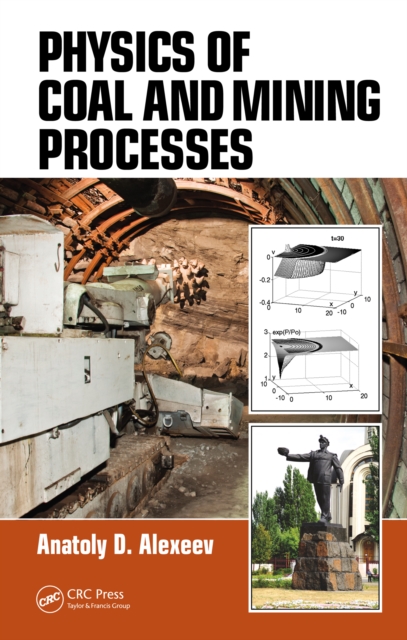
This volume deals with economic aspects of mining companies development strategies, various mineral deposits development techniques, imitational modeling of mine workings with rock massif, methane extraction technologies during coal mining, geomechanical processes during plow mining, mining transport importance for mineral extraction, massif
This volume contains 28 papers by renowned international experts on the latest advances in structural reliability methods and applications, engineering risk analysis and decision making, new optimization techniques and various applications in civil engineering.
Modern petroleum and petrotechnical engineering is increasingly challenging due to the inherently scarce and decreasing number of global petroleum resources.
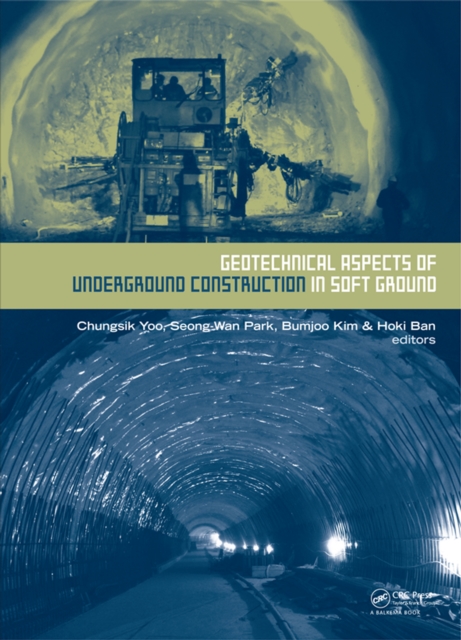
This volume comprises three keynote lectures by internationally well-known experts in the field of underground construction, the inaugural Fujita lecture to honor professor Keiichi Fujita, and the regular papers presented at the 8th International Symposium on Geotechnical Aspects of Underground Construction in Soft Ground (IS-Seoul 2014).
The aim of this book is to provide professional engineers and students of engineering with a sound working knowledge of the finite element method for engineering analysis and engineering design.
Modeling and Computation in Engineering II (CMCE 2013, Hong Kong, 22-23 June 2013) includes 50 contributions on modeling and simulation technology, which were presented at the 2nd SREE Conference on Modeling and Computation in Engineering (CMCE 2013) and the 3rd SREE Workshop on Applied Mechanics and Civil Engineering (AMCE 2013), both held in Hong
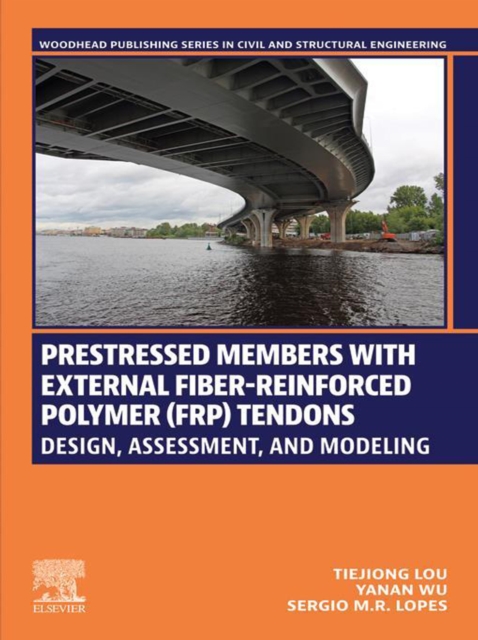
Prestressed Members with External Fiber Reinforced Polymer (FRP) Tendons: Design, Assessment and Modelling provides an overview of using FRPs, including how to predict the short-term and long-term behavior of externally prestressed concrete or steel-concrete composite members, their second-order effects, and how to examine the effectiveness of using FRP tendons instead of steel tendons for external prestressing.
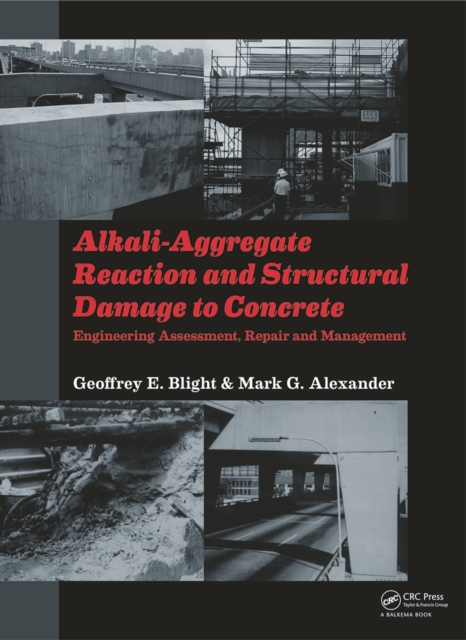
Since AAR was first identified in 1940, it has been a subject dominated by studies of the mineralogy of AAR-susceptible aggregates, the chemistry of the AAR and related reactions and laboratory tests used to diagnose AAR and predict potential future swelling.
Focussing on structural reliability methods, reliability-based optimization, structural system reliability and risk analysis, lifetime performance and various applications in civil engineering.
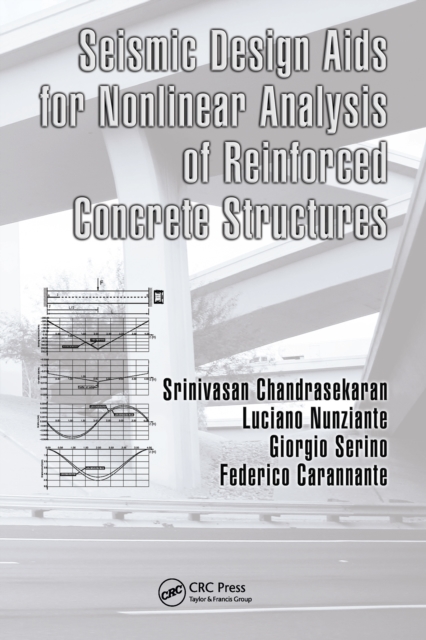
Tools to Safeguard New Buildings and Assess Existing OnesNonlinear analysis methods such as static pushover are globally considered a reliable tool for seismic and structural assessment.
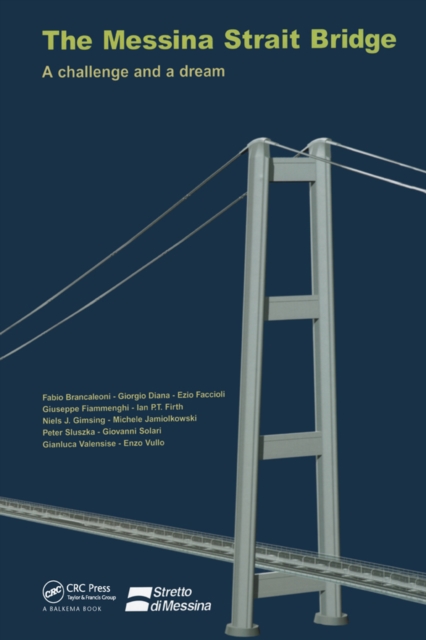
This book describes the enormous depth of work carried out since the early 1970s on the Messina Strait Bridge, up to the recent award of the detailed design and construction contract.
Prestressed Members with External Fiber Reinforced Polymer (FRP) Tendons: Design, Assessment and Modelling provides an overview of using FRPs, including how to predict the short-term and long-term behavior of externally prestressed concrete or steel-concrete composite members, their second-order effects, and how to examine the effectiveness of using FRP tendons instead of steel tendons for external prestressing.
Since the first edition of this book was published, most developments in welding construction have been within the quality assurance element of the process rather than in welding technology itself.
The application of fracture mechanics to cementitious materials allows the investigation of many important factors relating to the durability of these materials.
Structural Stability in Engineering Practice elucidates the various problems associated with attaining stability, and provides the results for practical use by the design engineer.
This book provides an overview and up-to-date synthesis of the most commonly used non-destructive technologies for the reverse engineering of built infrastructure facilities.
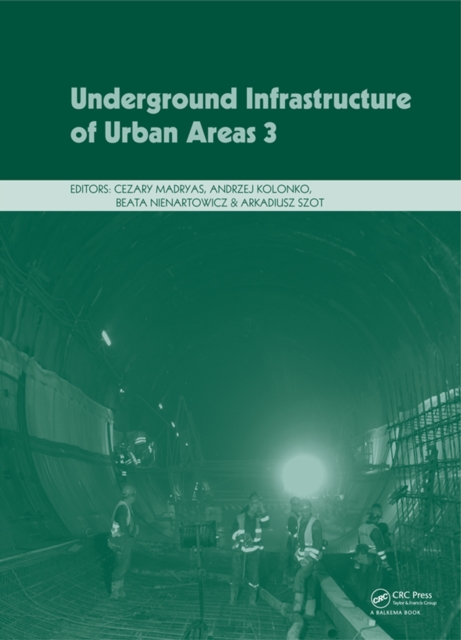
Presenting the state-of-the-art in underground infrastructure of urbanized areas, 'Underground Infrastructure of Urban Areas 3' aims at academics, designers and builders of structures, producers and suppliers of building materials, equipment, and underground structures, and also at those managing and maintaining these structures.
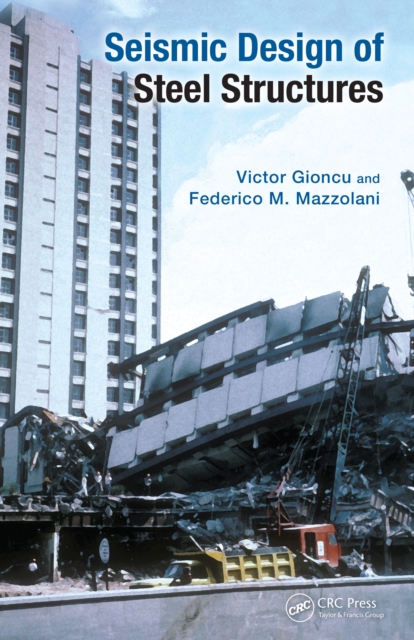
Providing real world applications for different structural types and seismic characteristics, Seismic Design of Steel Structures combines knowledge of seismic behavior of steel structures with the principles of earthquake engineering.
Specifically written for contractors and small businesses carrying out small works, Spon's Estimating Cost Guide to Roofing contains accurate information on thousands of rates, each broken down to labour, material overheads and profit.
This book comprises the proceedings of the international conference Shaking the Foundations of Geo-engineering Education (NUI Galway, Ireland, 4-6 July 2012), a major initiative of the International Society of Soil Mechanics and Geotechnical Engineering (ISSMGE) Technical Committee (TC306) on Geo-engineering Education.
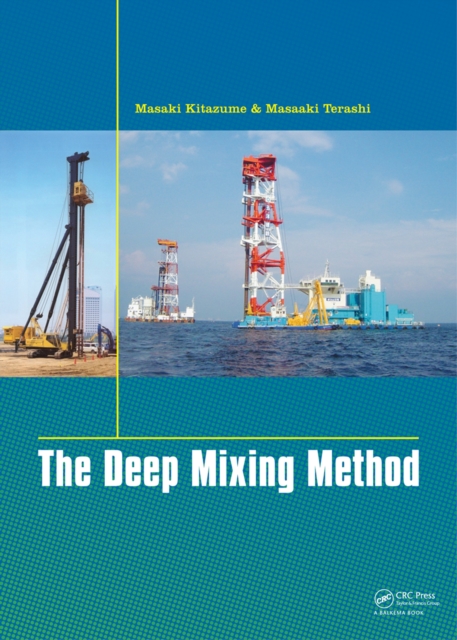
The Deep Mixing Method (DMM), a deep in-situ soil stabilization technique using cement and/or lime as a stabilizing agent, was developed in Japan and in the Nordic countries independently in the 1970s.
This book introduces practising engineers and post-graduate students to modern approaches to seismic design, with a particular focus on reinforced concrete structures, earthquake resistant design of new buildings and assessment, repair and strengthening of existing buildings.
This book systematically and comprehensively expounds the calculation theory, design method and engineering application of CWR turnout on bridges on high-speed railway.
Given the recent advances in site investigation techniques, computing, access to information and monitoring, plus the current emphasis on safety, accountability and sustainability, this book introduces an up-to-date methodology for the design of all types of rock engineering projects, whether surface or underground.
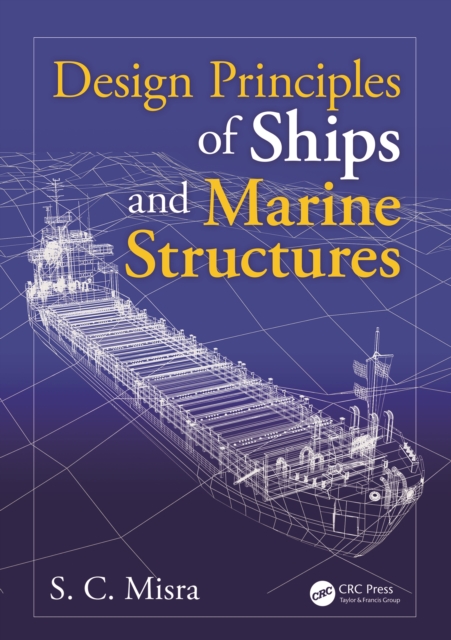
The Definitive Reference for Designers and Design StudentsA solid grasp of the fundamentals of materials, along with a thorough understanding of load and design techniques, provides the components needed to complete a marine platform design.
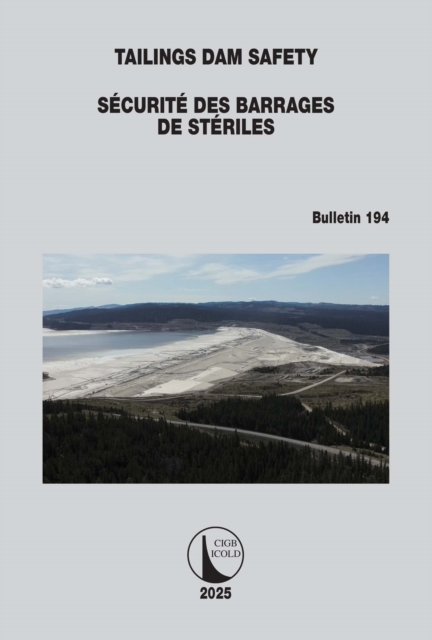
ICOLD Bulletin 194, Tailings Dam Safety, aims to assist the international community to further develop and adopt safe practices for tailings dam planning, design, construction, operation, and closure with a focus on the technical aspects that are mentioned but not fully developed in other recent National and Industry Guidelines and Standards.
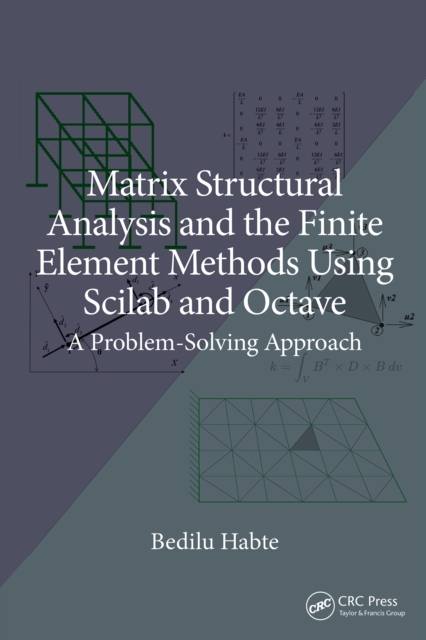
This book covers code development for structural analysis and includes topics from finite element methods such as modeling and analysis of continuum structures.
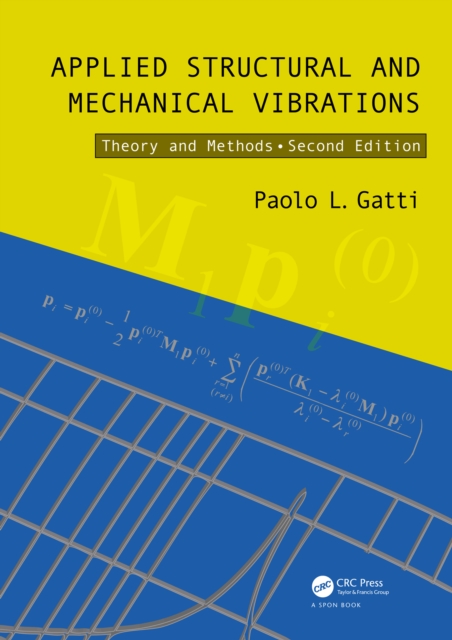
The second edition of Applied Structural and Mechanical Vibrations: Theory and Methods continues the first edition's dual focus on the mathematical theory and the practical aspects of engineering vibrations measurement and analysis.
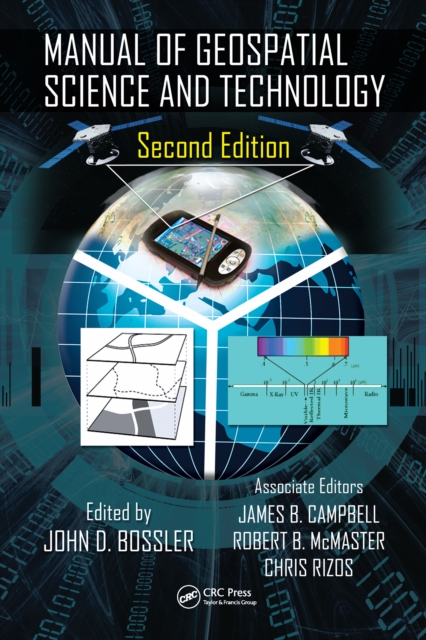
Following in the tradition of its popular predecessor, the Manual of Geospatial Science and Technology, Second Edition continues to be the authoritative volume that covers all aspects of the field, both basic and applied, and includes a focus on initiating, planning, and managing GIS projects.
There are various techniques to optimize either structural parameters, or structural controllers, but there are not many techniques that can simultaneously optimize the structural parameters and controller.
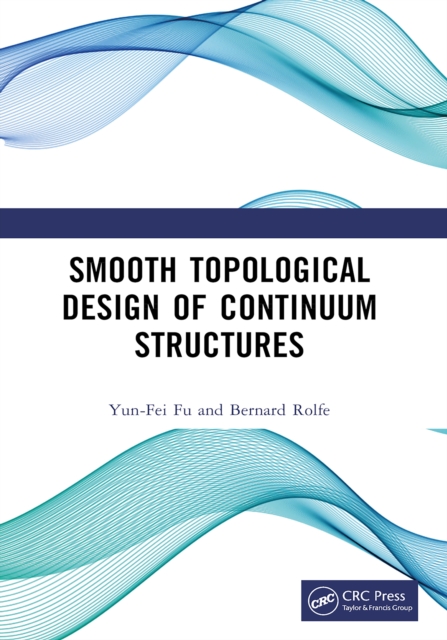
Smooth Topological Design of Continuum Structures focuses on the use of a newly-proposed topology algorithm for structural optimization called Smooth-Edged Material Distribution for Optimizing Topology (SEMDOT).
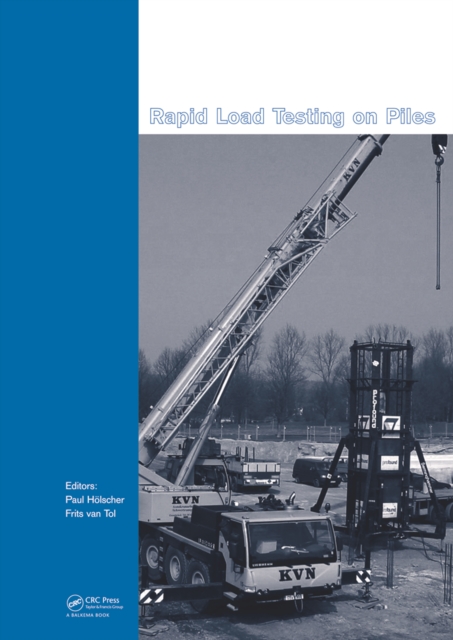
To obtain data about the stiffness and bearing capacity of a foundation pile, the Rapid Load Test could be an effective and economic alternative for a static load test.
Das Buch beschreibt umfassend, dabei aber leicht verständlich, alle praxisrelevanten hydromechanischen Berechnungsansätze – von der Hydrostatik bis zu Strömungsproblemen.
Das Buch beschreibt umfassend, dabei aber leicht verständlich, alle praxisrelevanten hydromechanischen Berechnungsansätze – von der Hydrostatik bis zu Strömungsproblemen.
Applies science and engineering principles to the analysis, design, and implementation of technical schemes to characterize, treat, modify, and reuse/store waste and contaminated media.