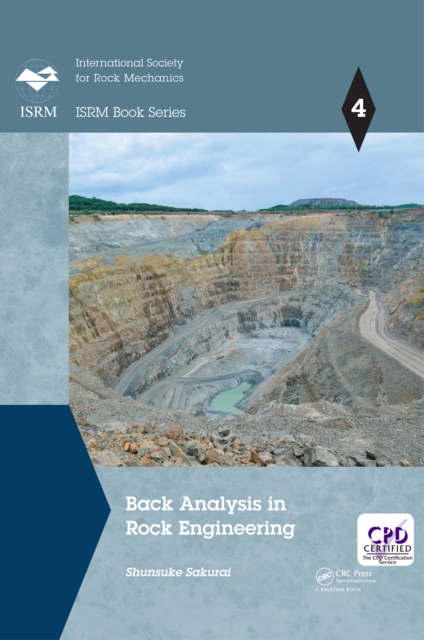
This book provides practicing engineers working in the field of design, construction and monitoring of rock structures such as tunnels and slopes with technical information on how to design, how to excavate and how to monitor the structures during their construction.
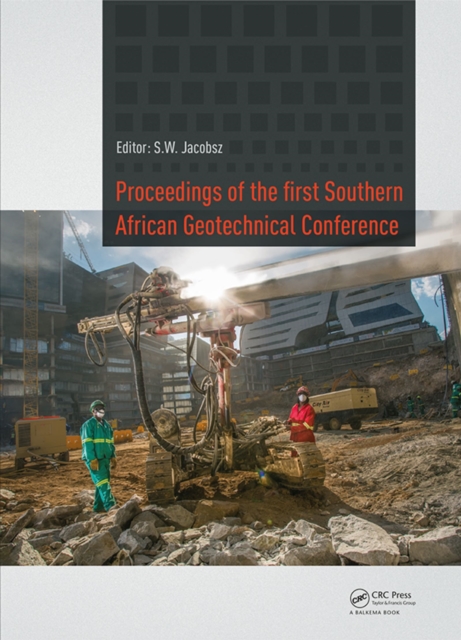
The First Southern African Geotechnical Conference was organised by the Geotechnical Division of the South African Institution of Civil Engineering (SAICE) under the auspices of the International Society of Soil Mechanics and Geotechnical Engineering (ISSMGE) and took place at Sun City, South Africa on 5 and 6 May 2016.
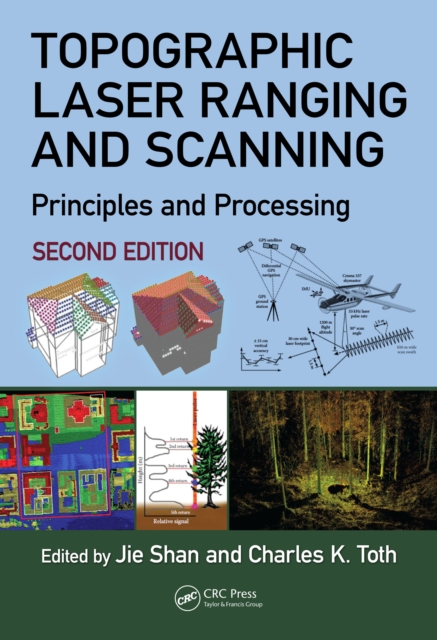
Topographic Laser Ranging and Scanning, Second Edition, provides a comprehensive discussion of topographic LiDAR principles, systems, data acquisition, and data processing techniques.
Fundamentals of Structural Mechanics, Dynamics, and Stability examines structural mechanics from a foundational point of view and allows students to use logical inference and creative reasoning to solve problems versus rote memorization.
Fundamentals of Structural Mechanics, Dynamics, and Stability examines structural mechanics from a foundational point of view and allows students to use logical inference and creative reasoning to solve problems versus rote memorization.
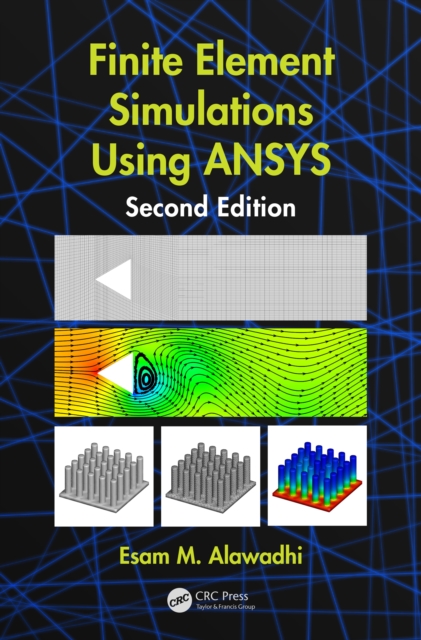
Uses a Step-By-Step Technique Directed with Guided Problems and Relevant Screen Shots Simulation use is on the rise, and more practicing professionals are depending on the reliability of software to help them tackle real-world mechanical engineering problems.
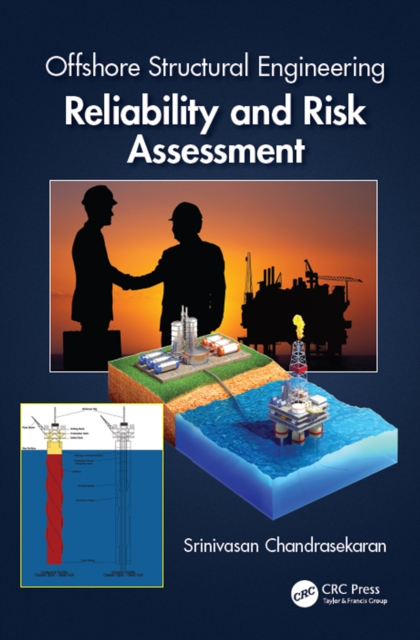
Successfully estimate risk and reliability, and produce innovative, yet reliable designs using the approaches outlined in Offshore Structural Engineering: Reliability and Risk Assessment.
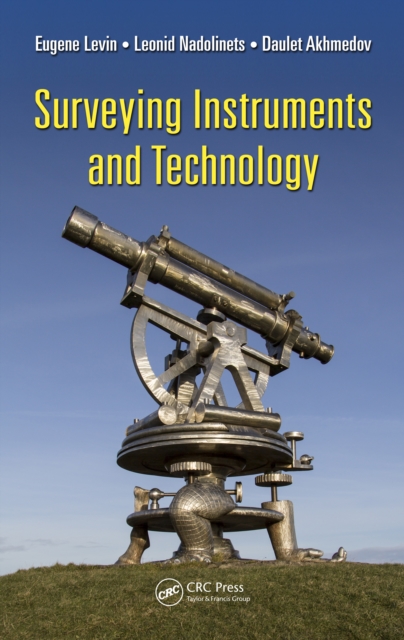
With the advent of GPS/GNSS satellite navigation systems and Unmanned Aerial Systems (UAS) surveying profession is nowadays facing its transformative stage.
This text provides a concise and practical guide to timber design, using both the Allowable Stress Design and the Load and Resistance Factor Design methods.
This text provides a concise and practical guide to timber design, using both the Allowable Stress Design and the Load and Resistance Factor Design methods.
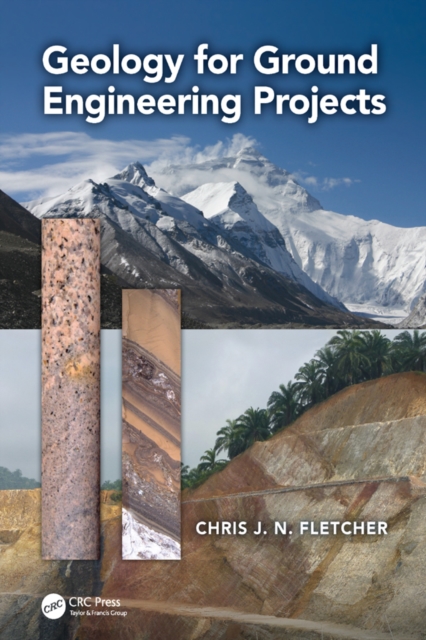
Bridges the Gap between Geology and Ground EngineeringHigh-quality geological models are crucial for ground engineering projects, but many engineers are not always at ease with the geological terminology and analysis presented in these models, nor with their implications and limitations.
Soft computing methods such as neural networks and genetic algorithms draw on the problem solving strategies of the natural world which differ fundamentally from the mathematically-based computing methods normally used in engineering.
Due in part to a growing demand for offshore oil and gas exploration, the development of marine structures that initially started onshore is now moving into deeper offshore areas.
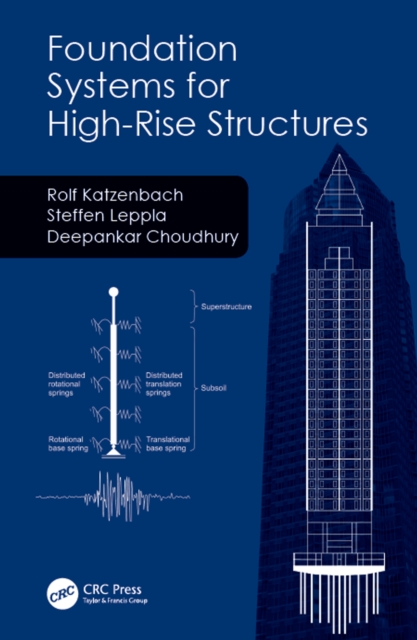
The book deals with the geotechnical analysis and design of foundation systems for high-rise buildings and other complex structures with a distinctive soil-structure interaction.
A smart civil structure integrates smart materials, sensors, actuators, signal processors, communication networks, power sources, diagonal strategies, control strategies, repair strategies, and life-cycle management strategies.
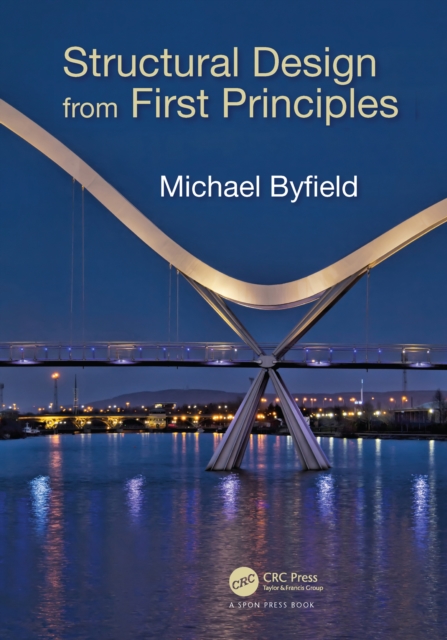
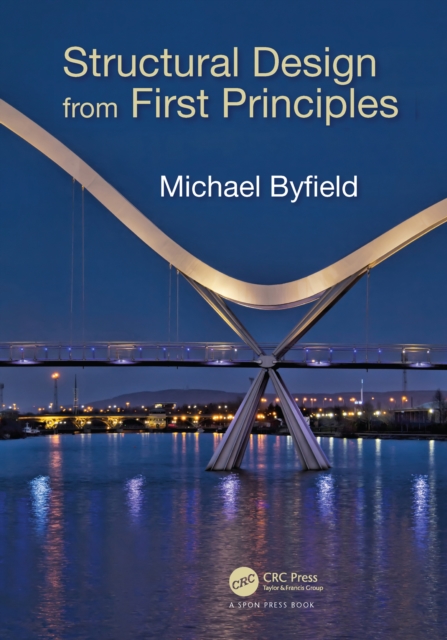
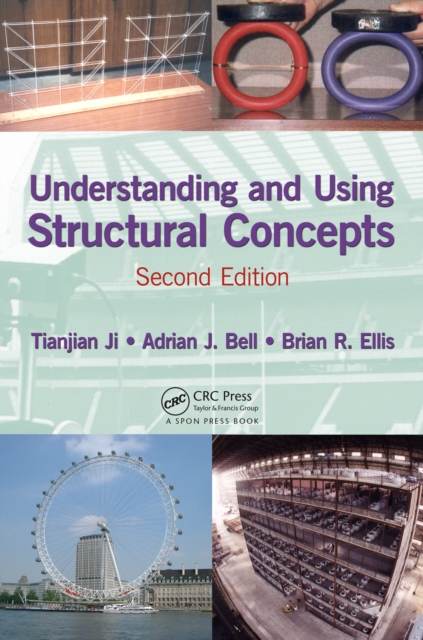
This enlightening textbook for undergraduates on civil engineering degree courses explains structural design from its mechanical principles, showing the speed and simplicity of effective design from first principles.
This enlightening textbook for undergraduates on civil engineering degree courses explains structural design from its mechanical principles, showing the speed and simplicity of effective design from first principles.
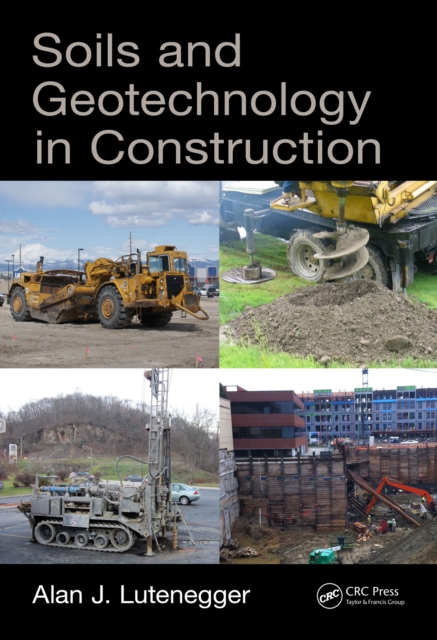
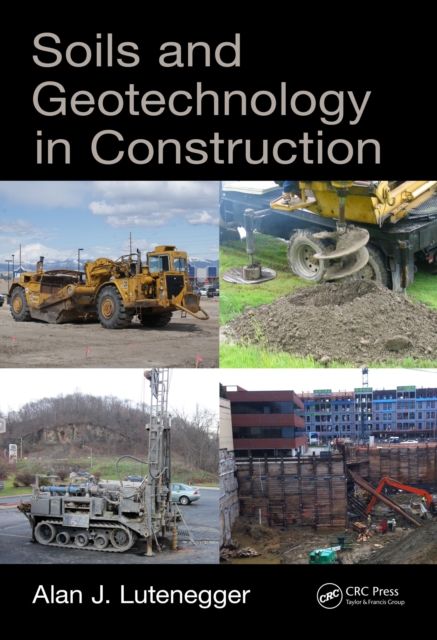
This book covers the field of applied geotechnology related to all aspects of construction in ground, including compacted fill, excavations, ground improvement, foundations, earth retaining systems and geotechnical site characterization.
This book covers the field of applied geotechnology related to all aspects of construction in ground, including compacted fill, excavations, ground improvement, foundations, earth retaining systems and geotechnical site characterization.
One of the main goals of a good and effective structural design is to decrease, as far as possible, the self-weight of structures, because they must carry the service load.
Land is important to all aspects of human life and has a key role in the economic well-being of society therefore, land tenure, land ownership, and real property law is a critical part of any developed nation.
Increase the Durability and Performance of Concrete during Its LifetimeWhile reinforced concrete is a durable material used for a wide range of construction projects in civil engineering, certain factors must be considered during its design, construction, and maintenance.
Traditional methods for handling spatial data are encumbered by the assumption of separate origins for horizontal and vertical measurements, but modern measurement systems operate in a 3-D spatial environment.
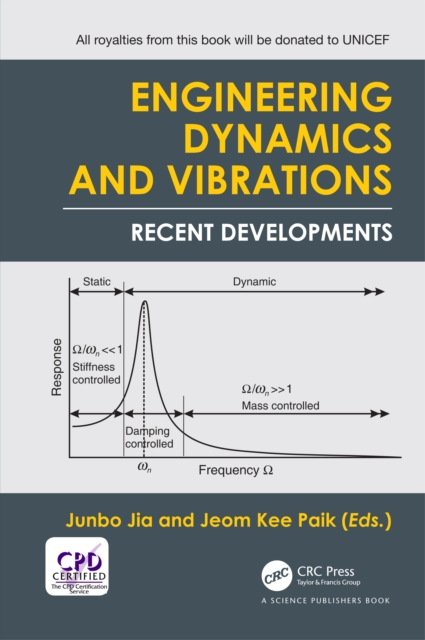
Engineering dynamics and vibrations has become an essential topic for ensuring structural integrity and operational functionality in different engineering areas.
The survey and the transference are the distinctive and operative acts in the transmission of real property and, where they differ from each other, one must of necessity control the other.
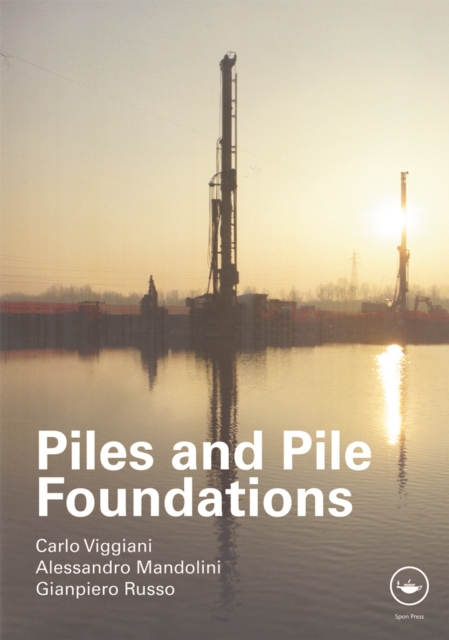
Piled foundations are generally designed using empirical methods, in particular the traditional capacity based approach on which the majority of codes of practice are based.
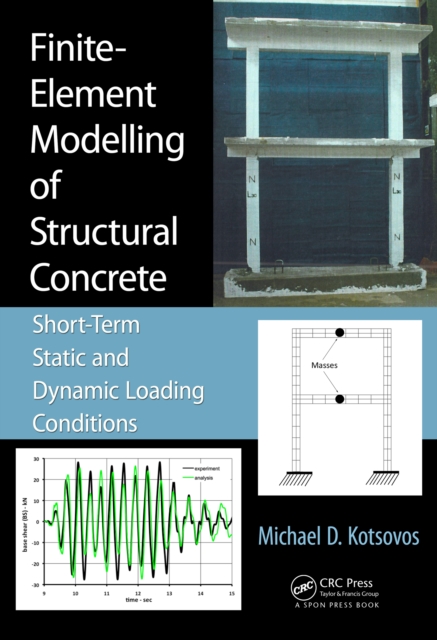
A Powerful Tool for the Analysis and Design of Complex Structural ElementsFinite-Element Modelling of Structural Concrete: Short-Term Static and Dynamic Loading Conditions presents a finite-element model of structural concrete under short-term loading, covering the whole range of short-term loading conditions, from static (monotonic and cyclic) to
An earthquake is a powerful surface acoustic wave (SAW) generated by a seismic event, such as a volcano or motion of the Earth's layers, that propagates on the Earth's surface.
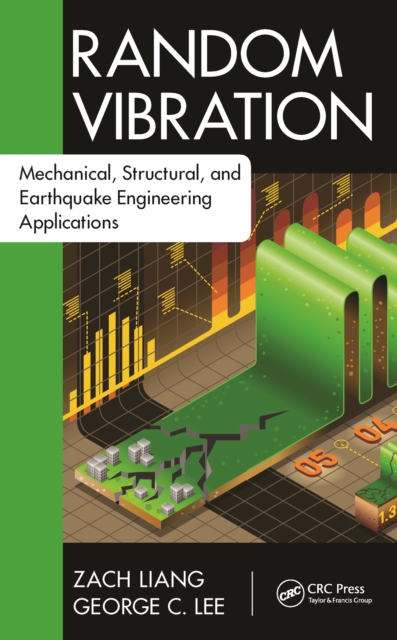
Focuses on the Basic Methodologies Needed to Handle Random ProcessesAfter determining that most textbooks on random vibrations are mathematically intensive and often too difficult for students to fully digest in a single course, the authors of Random Vibration: Mechanical, Structural, and Earthquake Engineering Applications decided to revise the cu
Dieses Buch vermittelt umfassend die Grundlagen und technischen Anwendungen der Geothermie als erneuerbare Energiequelle und zeigt das enorme Potenzial der Erdwärmenutzung als Grundlastenergie für eine umweltfreundliche Energieversorgung auf.
Dieses Buch vermittelt umfassend die Grundlagen und technischen Anwendungen der Geothermie als erneuerbare Energiequelle und zeigt das enorme Potenzial der Erdwärmenutzung als Grundlastenergie für eine umweltfreundliche Energieversorgung auf.