Ideal for undergraduates of geotechnical engineering for civil engineers, this established textbook sets out the basic theories of soil mechanics in a clear and straightforward way; combining both classical and critical state theories and giving students a good grounding in the subject which will last right through into a career as a geotechnical engineer.
Modelling forms an implicit part of all engineering design but many engineers engage in modelling without consciously considering the nature, validity and consequences of the supporting assumptions.
The safe and economical construction of tunnels, mines, and other subterranean works depends on the correct choice of support systems to ensure that the excavations are stable.
Advanced Applications in Acoustics, Noise and Vibration provides comprehensive and up-to-date overviews of knowledge, applications and research activities in a range of topics that are of current interest in the practice of engineering acoustics and vibration technology.
The latest edition of this well-known book makes available to structural design engineers a wealth of practical advice on effective design of concrete structures.
This highly successful book describes the background to the design principles, methods and procedures required in the design process for reinforced concrete structures.
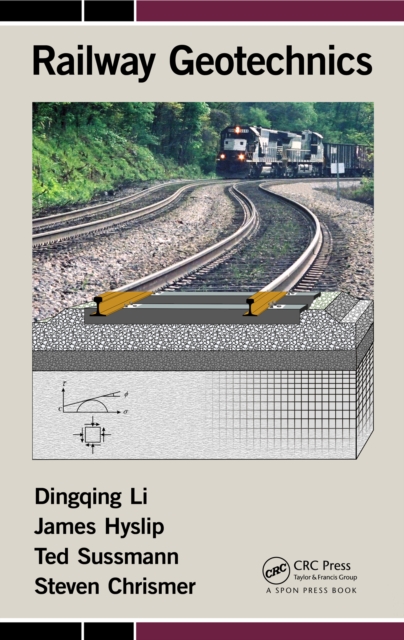
Links Geotechnics with Railway Track Engineering and Railway Operation Good railway track and railway operations depend on good geotechnics, in several different ways and at varying levels.
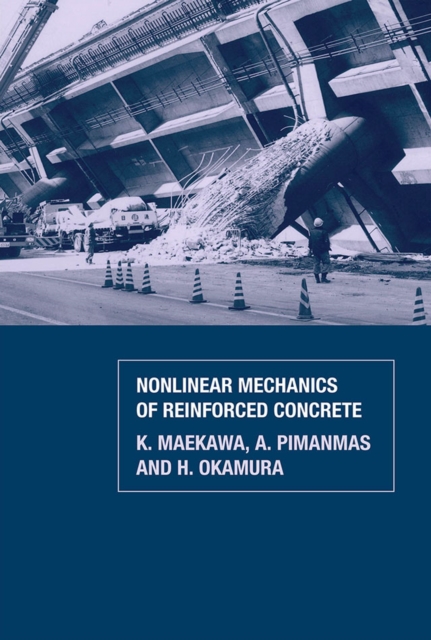
This book describes the application of nonlinear static and dynamic analysis for the design, maintenance and seismic strengthening of reinforced concrete structures.
The assessment of structural integrity is a vitally important consideration in many fields of engineering, which has an influence on the full range of professional activities from conception, design and analysis, through operation to residual life evaluation and possible life extension.
The chapters in this book show that a careful blend of engineering judgement and advanced principles of engineering mechanics may be used to resolve many complex geotechnical engineering problems.
Elastic plates form a class of very important mechanical structures that appear in a wide range of practical applications, from building bodies to microchip production.
This book aims to give the reader a short, tractable and as far as possible complete introduction to the young theory of hypoplasticity, which is a new approach to constitutive modelling of granular media in terms of rational continuum mechanics.
This book is specifically concerned with pipes of rigid materials and provides some information on 'flexible' pipes that are available and on their behaviour and use as being of value to the engineer in making an initial choice.
A must have reference for any engineer involved with foundations, piers, and retaining walls, this remarkably comprehensive volume illustrates soil characteristic concepts with examples that detail a wealth of practical considerations, It covers the latest developments in the design of drilled pier foundations and mechanically stabilized earth reta
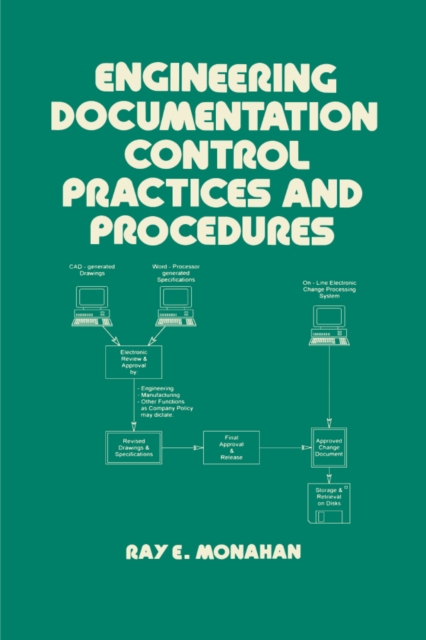
Discusses the requirements for establishing, maintaining and revitalizing an efficient engineering documentation control system for use by technical and manufacturing personnel in private industry.
The third edition of this authoritative handbook provides the structural designer with comprehensive guidance on prestressed concrete and its effective use, covering materials, behaviour, analysis and design of prestressed elements.
This textbook is a comprehensive introduction to structural steelwork design based on the limit states approach to BS 5950, for use by undergraduates in civil and structural engineering.
Designing for hazardous and abnormal loads has become an important requirement in the design process of most major buildings and civil engineering structures, ranging from tall buildings to bridges, power plants to harbour and coastal installations.
This new edition of John Illingworth's popular book provides a thorough introduction to the selection of construction methods, their planning and organization on site.
This highly successful textbook has been comprehensively revised for two main reasons: to bring the book up-to-date and make it compatible with BS8110 1985; and to take into account the increasing use made of microcomputers in civil engineering.
Proposing a simplified but intergrated scenario of concrete life cycle simulation method, this book examines and explains the vast amount of experimental observations related to hardening concrete using a common set of physical laws.
Structural Stability in Engineering Practice elucidates the various problems associated with attaining stability, and provides the results for practical use by the design engineer.
Interest continues to develop in the design and construction of high-rise towers and tall buildings, structures with heights ranging from 75m to 500m and even more.
To optimise formwork costs and minimise the time for its construction, the contractor needs to understand the guiding principles of safe and efficient formwork construction.
The protection of groundwater and surface water from contamination by the escape of contaminant from waste disposal is now an important consideration in many countries of the world.
This book is a state-of-the-art report on the ductility of steel structures, containing a comprehensive review of the technical literature available, and presenting the results of the authors' own extensive research activities in this area.
Bringing together the leading European expertise in behaviour and design of silos, this important new book is an essential reference source for all concerned with current problems and developments in silo technology.
Concrete structures can be designed for durability by applying the principles and procedures of reliability theory combined with traditional structural design.
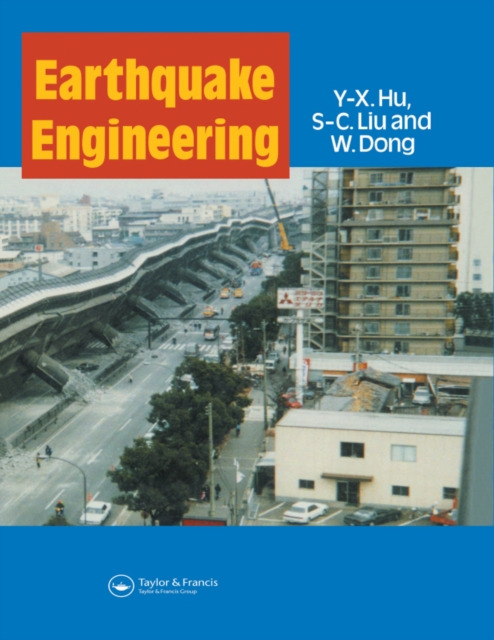
A unified presentation of engineering seismology and earthquake-resistant design, this book presents a wide ranging coverage of the whole subject of earthquake engineering so that the reader is given a clear appreciation of earthquakes before dealing with their effects on structures.