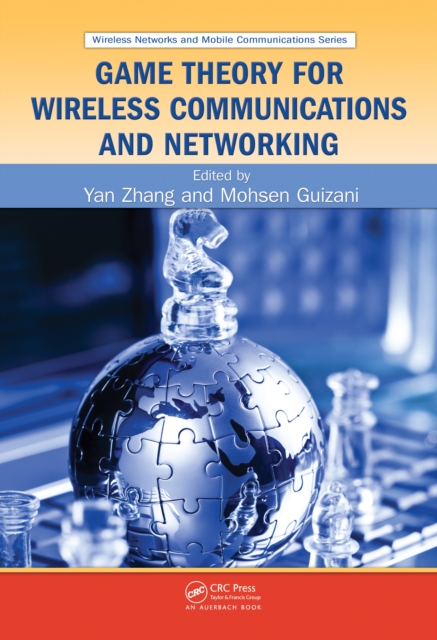
This comprehensive technical guide explains game theory basics, architectures, protocols, security, models, open research issues, and cutting-edge advances and applications.
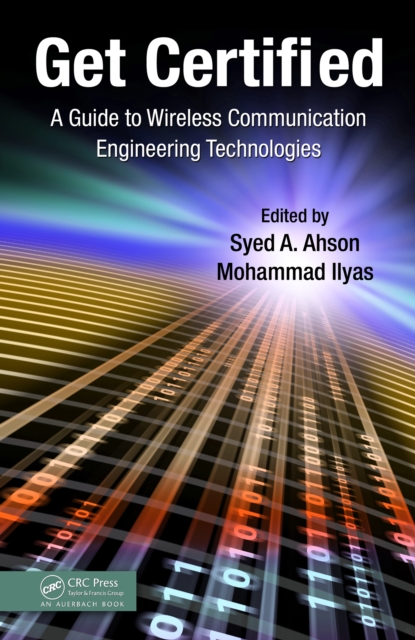
The Institute of Electrical and Electronics Engineers (IEEE) Communications Society designed the IEEE wireless communication engineering technologies (WCET) certification program to address the wireless industry's growing need for communications professionals with practical problem-solving skills in real-world situations.
From basic concepts to research grade material and future directions, the Near Field Communications Handbook provides comprehensive technical coverage of this rapidly emerging field.
Global Demand for Streamlined Design and Computation The explosion of wireless communications has generated a tidal wave of interest and development in computational techniques for electromagnetic simulation as well as the design and analysis of RF and microwave circuits.
The escalating demand for ubiquitous computing along with the complementary and flexible natures of Radio Frequency Identification (RFID) and Wireless Sensor Networks (WSNs) have sparked an increase in the integration of these two dynamic technologies.
While still in the early stages of research and development, cognitive radio is a highly promising communications paradigm with the ability to effectively address the spectrum insufficiency problem.
Fueled by ongoing and increasing consumer demand, the explosive growth in spectrum-based communications continues to tax the finite resources of the available spectrum.
While 3G has been an outstanding success, the ever-growing demand for higher data rates and higher quality mobile communication services continues to fuel conflict between the rapidly growing number of users and limited bandwidth resources.
A Complete Reference for the 21st CenturyUntil recently, much of the communications technology in the former Eastern bloc countries was largely unknown.
Offering a single volume reference for high frequency semiconductor devices, this handbook covers basic material characteristics, system level concerns and constraints, simulation and modeling of devices, and packaging.
A comprehensive source for microwave and wireless circuit design, the Commercial Wireless Circuits and Components Handbook reviews the fundamentals of transmitters and receivers, then presents detailed chapters on individual circuit types.
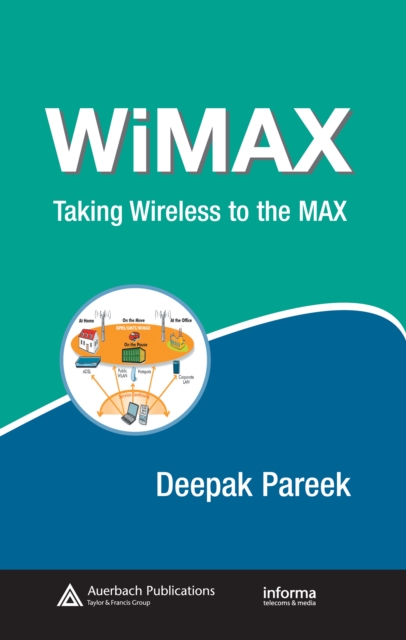
With market value expected to reach $5 billion by 2007 and the endorsement of some of the biggest names in telecommunications, World Interoperability for Microwave Access (WiMAX) is poised to change the broadband wireless landscape.
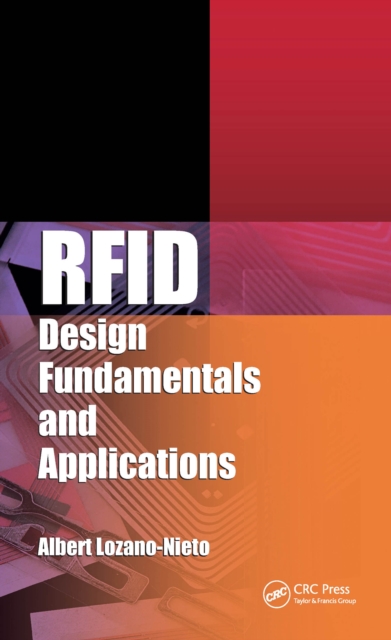
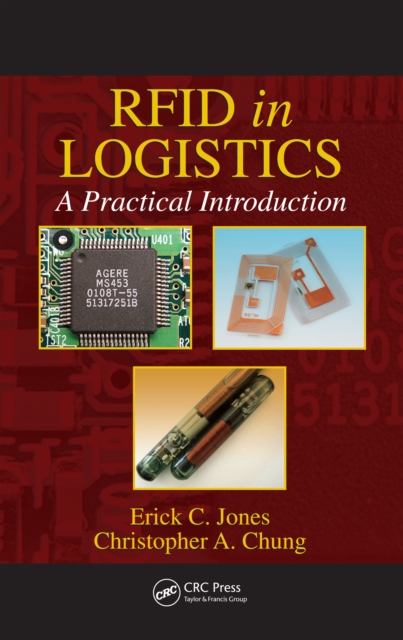
Radio Frequency Identification (RFID) tagging is now mandated by the department of defense and many of the world's largest retailers including Wal-Mart.
With the rapid evolution of multimedia communications, engineers and other professionals are generally forced to hoard a plethora of different texts and journals to maintain a solid grasp on essential ideas and techniques in the field.
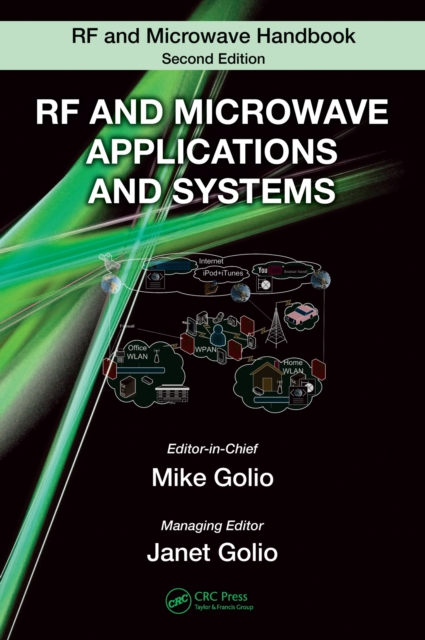
This volume, RF and Microwave Applications and Systems, includes a wide range of articles that discuss RF and microwave systems used for communication and radar and heating applications.
Global Demand for Streamlined Design and Computation The explosion of wireless communications has generated a tidal wave of interest and development in computational techniques for electromagnetic simulation as well as the design and analysis of RF and microwave circuits.
With the rapid evolution of multimedia communications, engineers and other professionals are generally forced to hoard a plethora of different texts and journals to maintain a solid grasp on essential ideas and techniques in the field.
A comprehensive source for microwave and wireless circuit design, the Commercial Wireless Circuits and Components Handbook reviews the fundamentals of transmitters and receivers, then presents detailed chapters on individual circuit types.
Offering a single volume reference for high frequency semiconductor devices, this handbook covers basic material characteristics, system level concerns and constraints, simulation and modeling of devices, and packaging.
Because prevailing atmospheric/troposcopic conditions greatly influence radio wave propagation above 10 GHz, the unguided propagation of microwaves in the neutral atmosphere can directly impact many vital applications in science and engineering.
Magnetic resonance imaging, semiconductor processing, and RFID are some of the critical applications within the medium frequency (MF) to ultrahigh frequency (UHF) range that require RF designers to have a solid understanding of analytical and experimental RF techniques.
Advanced concepts for wireless communications offer a vision of technology that is embedded in our surroundings and practically invisible, but present whenever required.
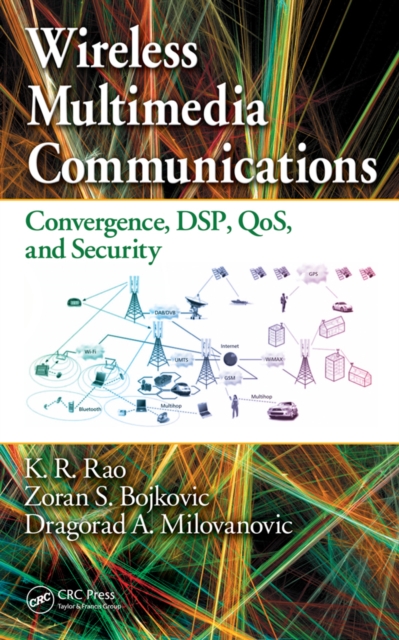
Rapid progress in software, hardware, mobile networks, and the potential of interactive media poses many questions for researchers, manufacturers, and operators of wireless multimedia communication systems.
Cooperative Cognitive Radio Networks: The Complete Spectrum Cycle provides a solid understanding of the foundations of cognitive radio technology, from spectrum sensing, access, and handoff to routing, trading, and security.
Ultra Wideband Antennas: Design, Methodologies, and Performance presents the current state of the art of ultra wideband (UWB) antennas, from theory specific for these radiators to guidelines for the design of omnidirectional and directional UWB antennas.
High Frequency Communication and Sensing: Traveling-Wave Techniques introduces novel traveling wave circuit techniques to boost the performance of high-speed circuits in standard low-cost production technologies, like complementary metal oxide semiconductor (CMOS).
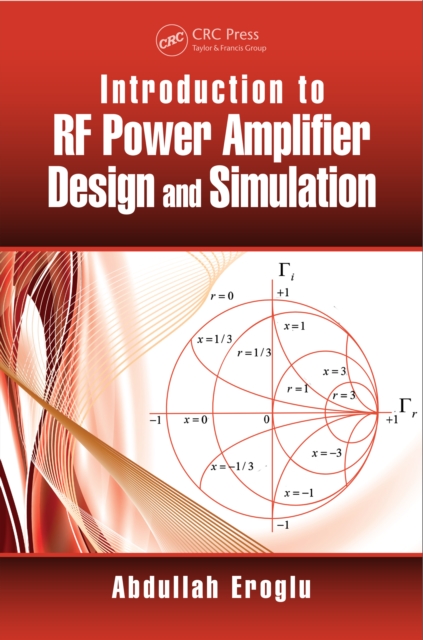
Introduction to RF Power Amplifier Design and Simulation fills a gap in the existing literature by providing step-by-step guidance for the design of radio frequency (RF) power amplifiers, from analytical formulation to simulation, implementation, and measurement.
Localization of transmitters and receiving sensors is achieved by measuring radiation emitted by a source to a set of sensors, which are either on a definite pattern, known as an array, or one randomly located at irregular points, known as a distributed sensor array.
Localization of transmitters and receiving sensors is achieved by measuring radiation emitted by a source to a set of sensors, which are either on a definite pattern, known as an array, or one randomly located at irregular points, known as a distributed sensor array.
Frequency-Domain Receiver Design for Doubly-Selective Channels discusses broadband wireless transmission techniques, which are serious candidates to be implemented in future broadband wireless and cellular systems, aiming at providing high and reliable data transmission and concomitantly high mobility.
Frequency-Domain Receiver Design for Doubly-Selective Channels discusses broadband wireless transmission techniques, which are serious candidates to be implemented in future broadband wireless and cellular systems, aiming at providing high and reliable data transmission and concomitantly high mobility.
Deployment of Rare Earth Materials in Microware Devices, RF Transmitters, and Laser Systems describes the deployment of rare earth materials that offer significant improvement in the RF performance, reliability, weight, and size of microwave devices, RF transmitters, and laser systems.
Deployment of Rare Earth Materials in Microware Devices, RF Transmitters, and Laser Systems describes the deployment of rare earth materials that offer significant improvement in the RF performance, reliability, weight, and size of microwave devices, RF transmitters, and laser systems.