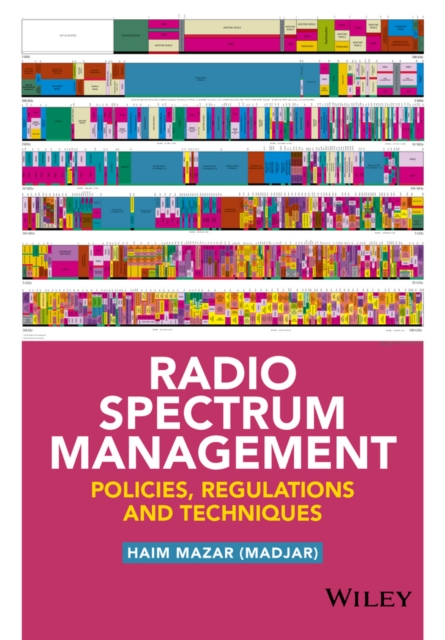
This book presents the fundamentals of wireless communications and services, explaining in detail what RF spectrum management is, why it is important, which are the authorities regulating the use of spectrum, and how is it managed and enforced at the international, regional and national levels.
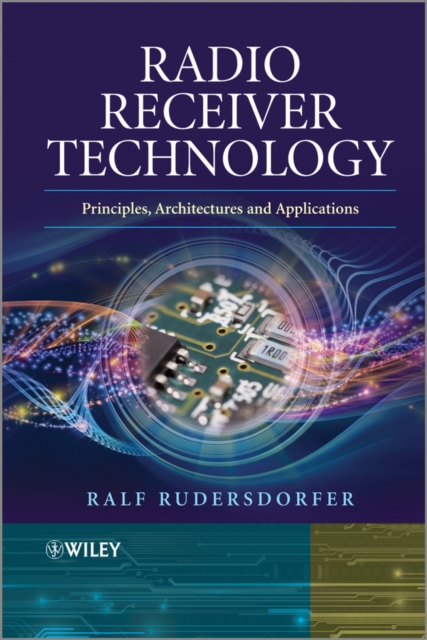
Written by an expert in the field, this book covers the principles, architectures, applications, specifications and characterizations of radio receivers In this book, the author introduces the reader to the basic principles and theories of present-day communications receiver technology.
Written by an expert in the field, this book covers the principles, architectures, applications, specifications and characterizations of radio receivers In this book, the author introduces the reader to the basic principles and theories of present-day communications receiver technology.
Software radio ideally provides the opportunity to communicate with any radio communication standard by modifying only the software, without any modification to hardware components.
Software radio ideally provides the opportunity to communicate with any radio communication standard by modifying only the software, without any modification to hardware components.
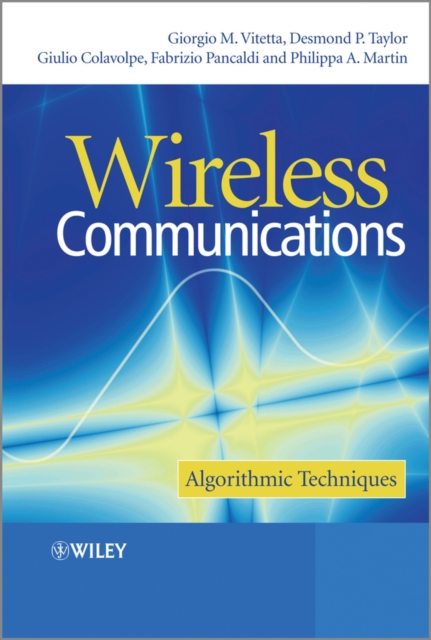
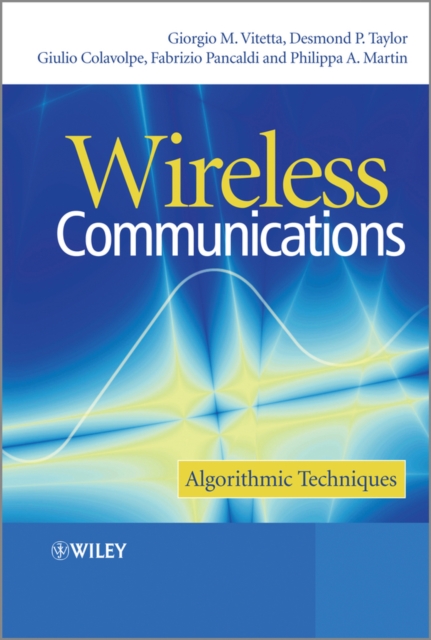
This book introduces the theoretical elements at the basis of various classes of algorithms commonly employed in the physical layer (and, in part, in MAC layer) of wireless communications systems.
This book introduces the theoretical elements at the basis of various classes of algorithms commonly employed in the physical layer (and, in part, in MAC layer) of wireless communications systems.
This book explains the evolutions of architecture for mobiles and summarizes the different technologies: 2G: the GSM (Global System for Mobile) network, the GPRS (General Packet Radio Service) network and the EDGE (Enhanced Data for Global Evolution) evolution; 3G: the UMTS (Universal Mobile Telecommunications System) network and the HSPA (High Speed Packet Access) evolutions; HSDPA (High Speed Downlink Packet Access); HSUPA (High Speed Uplink Packet Access); HSPA+ 4G: the EPS (Evolved Packet System) network.
This book explains the evolutions of architecture for mobiles and summarizes the different technologies: 2G: the GSM (Global System for Mobile) network, the GPRS (General Packet Radio Service) network and the EDGE (Enhanced Data for Global Evolution) evolution; 3G: the UMTS (Universal Mobile Telecommunications System) network and the HSPA (High Speed Packet Access) evolutions: - HSDPA (High Speed Downlink Packet Access), - HSUPA (High Speed Uplink Packet Access), - HSPA+; 4G: the EPS (Evolved Packet System) network.
This book addresses the stochastic modeling of telecommunication networks, introducing the main mathematical tools for that purpose, such as Markov processes, real and spatial point processes and stochastic recursions, and presenting a wide list of results on stability, performances and comparison of systems.
This book addresses the stochastic modeling of telecommunication networks, introducing the main mathematical tools for that purpose, such as Markov processes, real and spatial point processes and stochastic recursions, and presenting a wide list of results on stability, performances and comparison of systems.
While there are numerous books describing modern wireless communication systems that contain overviews of radio propagation and radio channel modelling, there are none that contain detailed information on the design, implementation and calibration of radio channel measurement equipment, the planning of experiments and the in depth analysis of measured data.
While there are numerous books describing modern wireless communication systems that contain overviews of radio propagation and radio channel modelling, there are none that contain detailed information on the design, implementation and calibration of radio channel measurement equipment, the planning of experiments and the in depth analysis of measured data.
Covers the state of the art of the technology and standards for reconfigurable radio systems, from self organizing networks and cognitive radio, through to reconfigurable architectures for networks and terminals This timely book provides a standards-based view of the development, evolution, techniques and potential future scenarios for the deployment of reconfigurable radio systems.
Covers the state of the art of the technology and standards for reconfigurable radio systems, from self organizing networks and cognitive radio, through to reconfigurable architectures for networks and terminals This timely book provides a standards-based view of the development, evolution, techniques and potential future scenarios for the deployment of reconfigurable radio systems.
Summarizes the schemes and technologies in RF circuit design, describes the basic parameters of an RF system and the fundamentals of RF system design, and presents an introduction of the individual RF circuit block design.
Summarizes the schemes and technologies in RF circuit design, describes the basic parameters of an RF system and the fundamentals of RF system design, and presents an introduction of the individual RF circuit block design.
The aim of this book is to present the modern design and analysis principles of millimeter-wave communication system for wireless devices and to give postgraduates and system professionals the design insights and challenges when integrating millimeter wave personal communication system.
Many companies have asked suppliers to begin using RFID (radio frequency identification) tags by 2006 RFID allows pallets and products to be scanned at a greater distance and with less effort than barcode scanning, offering superior supply-chain management efficiencies This unique plain-English resource explains RFID and shows CIOs, warehouse managers, and supply-chain managers how to implement RFID tagging in products and deploy RFID scanning at a warehouse or distribution center Covers the business case for RFID, pilot programs, timelines and strategies for site assessments and deployments, testing guidelines, privacy and regulatory issues, and more
This collection covers different printed microstrip antenna designs,from rectangular to circular, broadband, dual-band, and millimeter-wave microstrip antennas to microstrip arrays.
This collection covers different printed microstrip antenna designs,from rectangular to circular, broadband, dual-band, and millimeter-wave microstrip antennas to microstrip arrays.
In recent years, a considerable amount of effort has been devoted, both in industry and academia, towards the efficient utilization of the available spectrum under the various propagation models which lead towards the design and dimensioning of the future network Internet of Things (IoT).
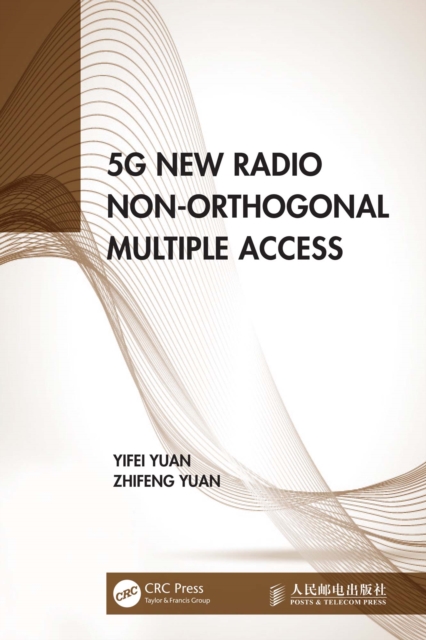
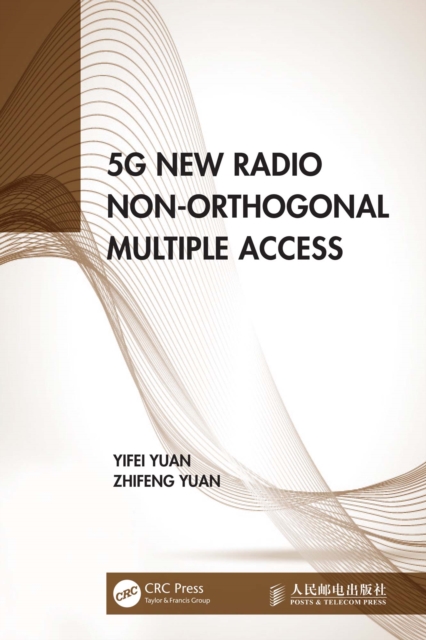
This book provides detailed descriptions of downlink non-orthogonal multiple transmissions and uplink non-orthogonal multiple access (NOMA) from the aspects of majorly used 5G new radio scenarios and system performance.
This book provides detailed descriptions of downlink non-orthogonal multiple transmissions and uplink non-orthogonal multiple access (NOMA) from the aspects of majorly used 5G new radio scenarios and system performance.
Focussing on engineering aspects of RF/Microwave interaction with biological tissuesThis book discusses the advancement in bio-electromagnetics pertaining to this important issue of electromagentic field-bio interaction vis-a-vis the emission of electromagnetic radiations from mobile phones and their biological fallout.
Focussing on engineering aspects of RF/Microwave interaction with biological tissuesThis book discusses the advancement in bio-electromagnetics pertaining to this important issue of electromagentic field-bio interaction vis-a-vis the emission of electromagnetic radiations from mobile phones and their biological fallout.
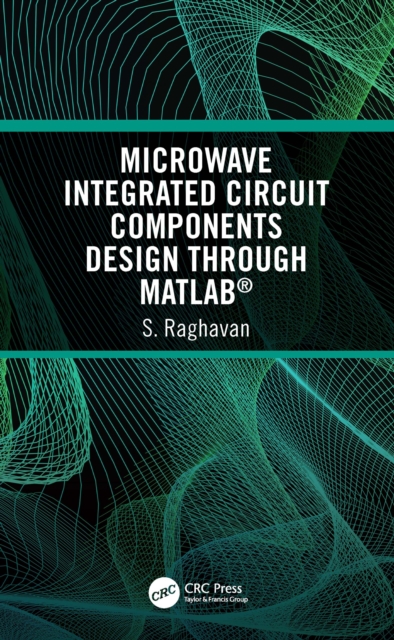
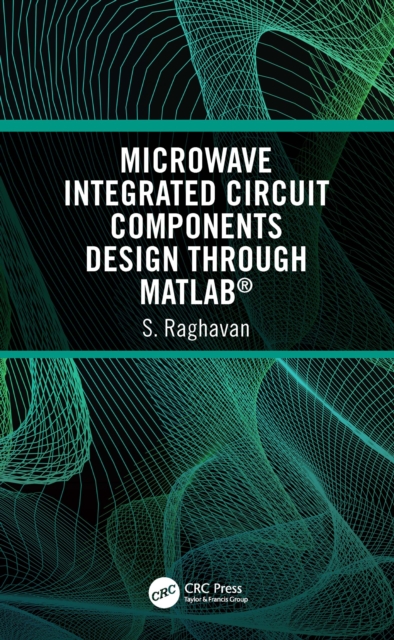
MICROWAVE INTEGRATED CIRCUIT COMPONENTS DESIGN THROUGH MATLAB(R) This book teaches the student community microwave integrated circuit component design through MATLAB(R), helping the reader to become conversant in using codes and, thereafter, commercial software for verification purposes only.
MICROWAVE INTEGRATED CIRCUIT COMPONENTS DESIGN THROUGH MATLAB(R) This book teaches the student community microwave integrated circuit component design through MATLAB(R), helping the reader to become conversant in using codes and, thereafter, commercial software for verification purposes only.
Wireless network security research is multidisciplinary in nature, including data analysis, economics, mathematics, forensics, information technology, and computer science.