Dieser Buchtitel ist Teil des Digitalisierungsprojekts Springer Book Archives mit Publikationen, die seit den Anfängen des Verlags von 1842 erschienen sind.
Das Buch vermittelt das Grundwissen über die Wirkungsweise elektrischer Maschinen und Antriebe, Rezepte für die Auslegung von Maschinen werden nicht gegeben, denn Berechnung und Konstruktion können nur durch praktische Erfahrung erlernt werden.
Das Buch vermittelt das Grundwissen über die Wirkungsweise elektrischer Maschinen und Antriebe, Rezepte für die Auslegung von Maschinen werden nicht gegeben, denn Berechnung und Konstruktion können nur durch praktische Erfahrung erlernt werden.
Das Jahr 1979 hat die Probleme einer sicheren und ausreichenden Energie versorgung erneut spürbar in das Bewußtsein der breiten Öffentlichkeit gerückt, nachdem aus der Ölkrise 1973/74 von vielen unbemerkt oder verdrängt eine Energie krise entstanden ist.
In außergewöhnlich verständlicher Weise führt dieses Buch in die Komplexität moderner Elektroenergiesysteme und insbesondere in das Generationenprojekt Energiewende ein.
Dieses Buch bietet eine Einführung in die elektromagnetische Feldtheorie und ermöglicht es den Leserinnen und Lesern, Schritt für Schritt die Maxwellgleichungen der Elektrodynamik zu verstehen und anzuwenden.
Der hier vorliegende zweite Band des dreiteiligen Werkes „Elektrische Energieversorgung“ widmet sich den Aufgaben der Energiewirtschaft inklusive der Aspekte zum Klimaschutz sowie der Beschaffenheit des Energiemarktes.
Den Kern des Buches bildet die systematische, durchgehende und logische Darstellung von Elektromobilität in Verbindung mit der Erzeugung der elektrischen Energie aus regenerativen Energiequellen.
In außergewöhnlich verständlicher Weise führt dieses Buch in die Komplexität moderner Elektroenergiesysteme und insbesondere in das Generationenprojekt Energiewende ein.
Ziel dieses Buches ist die umfassende Darstellung der Wärme- und Stoffübertragung als eine der wichtigsten Grundlagen der Energie- und der Verfahrenstechnik.
Wärme wird in Maschinen und verfahrenstechnischen Anlagen, in der thermischen Energietechnik und in der Bauphysik genutzt oder muss, dort wo sie stört, aus Systemen weggeführt werden.
Den Kern des Buches bildet die systematische, durchgehende und logische Darstellung von Elektromobilität in Verbindung mit der Erzeugung der elektrischen Energie aus regenerativen Energiequellen.
Überdurchschnittlich viele Studierende in den ingenieurswissenschaftlichen Fächern brechen ihr Studium ab, am Arbeitsmarkt sind Ingenieure dagegen Mangelware.
Dieses Buch bietet eine Einführung in die elektromagnetische Feldtheorie und ermöglicht es den Lesern, Schritt für Schritt die Maxwellgleichungen der Elektrodynamik zu verstehen und anzuwenden.
Dieses Buch bietet einen behutsamen Einstieg in die Tensoranalysis, in die Grundlagen der speziellen Relativitätstheorie und in die relativistische Formulierung der Elektrodynamik.
Dieses Werk stellt dem Planer von Elektroanlagen die benötigten technischen Grundlagen, die einzuhaltenden Vorschriften und Standards sowie vielerlei weitere praxisrelevante Informationen und Daten zur Verfügung.
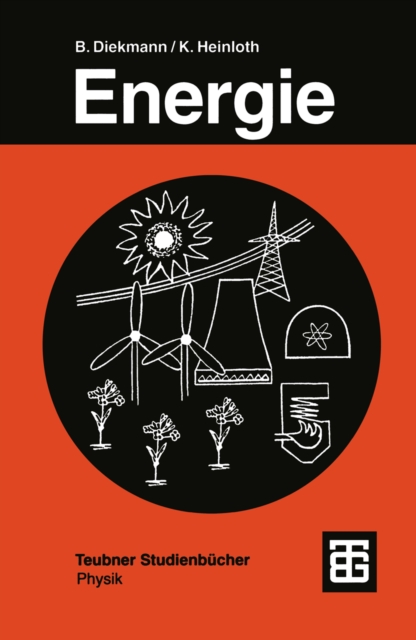
Sie lesen täglich etwas über Energieproduktion, Energiewende, erneuerbare Energien und Energieverschwendung - aber wissen Sie überhaupt, was genau das eigentlich ist - Energie?
This book introduces readers to the fundamental physics and chemistry of the proton exchange membrane fuel cell (PEMFC), followed by discussions on recent advances in low platinum electrocatalysis and related catalyst development for PEMFC (the book's primary focus), methods of membrane electrode assembly (MEA) fabrication for low platinum catalysts, and durability issues in connection with MEA.