Professionals and students who come from disciplines other than chemistry need a concise yet reliable guide that explains key concepts in environmental chemistry, from the fundamental science to the necessary calculations for applying them.
Up to date and current with the latest technology, Spellman's Standard Handbook for Wastewater Operators: Volume II, Intermediate Level, Second Edition provides a study guide and resource in a compact format.
Air pollution is recognized as one of the leading contributors to the global environmental burden of disease, even in countries with relatively low concentrations of air pollution.
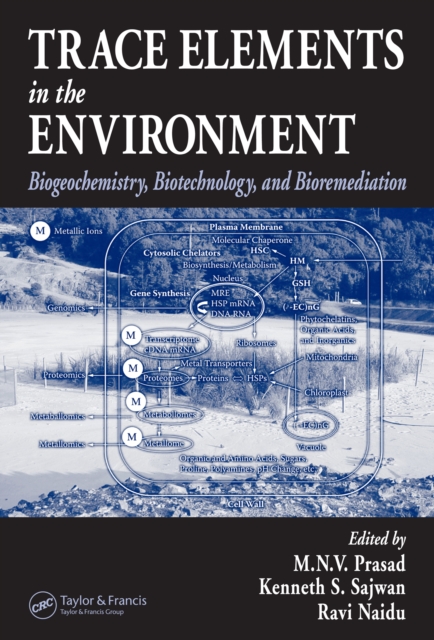
Heavy metals, such as lead, chromium, cadmium, zinc, copper, and nickel, are important constituents of most living organisms, as well as many nonliving substances.
The Handbook of Cleaner Production comprises a series of reference guides to cleaner production methods, technologies, and practices for key industry sectors.
Hailed on first publication as a masterful review of the topic, The Science of Air: Concepts and Applications quickly became a standard resource in the field.
As the global nature of pollution becomes increasingly obvious, successful hazardous waste treatment programs must take a total environmental control approach that encompasses all areas of pollution control.
Principles of Hydrogeology, Third Edition presents important concepts of groundwater hydrology with a strong emphasis on problem-solving and field applications of hydrogeology.
This book combines the results of current research with essential background material to provide complete, in-depth coverage of every aspect of in situ and ex situ bioremediation, as well as an extensive overview of the physical and chemical processes currently available for treating petroleum-contaminated soils.
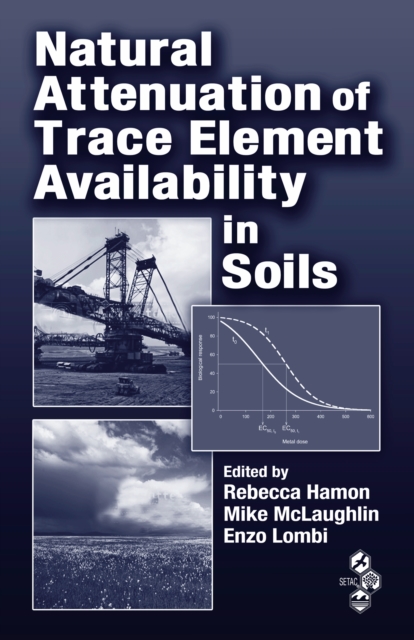
Understanding attenuation processes is important not only for predicting the behavior of contaminants in soil and formulating remediation strategies, but also for mitigating and enhancing the availability of micronutrients in soil for agricultural applications.
Maximize efficiency and minimize pollution: the breakthrough technology of high temperature air combustion (HiTAC) holds the potential to overcome the limitations of conventional combustion and allow engineers to finally meet this long-standing imperative.
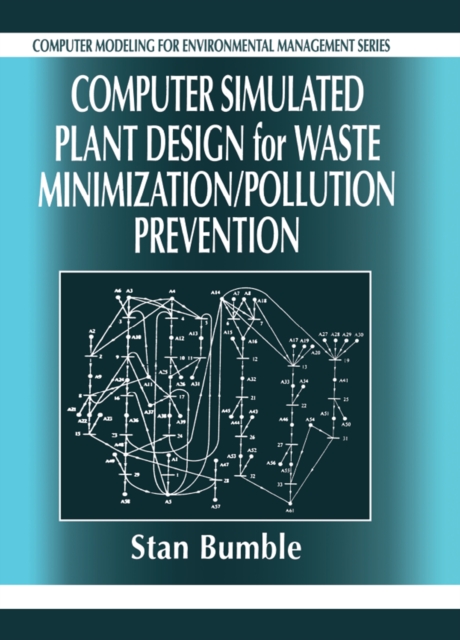
Full of examples based on case studies from a variety of industries, Computer Simulated Plant Design for Waste Minimization/Pollution Prevention discusses preventing pollution and minimizing waste using computer simulation programs.
New analytical techniques have enhanced current understanding of the behavior of trace and ultratrace elements in the biogeochemical cycling, chemical speciation, bioavailability, bioaccumulation, and as applied to the phytoremediation of contaminated soils.
The study of environmental interfaces and environmental catalysis is central to finding more effective solutions to air pollution and in understanding of how pollution impacts the natural environment.
Complete and quantitative, NAPL Removal: Surfactants, Foams, and Microemulsions, belongs to a ten-monograph series that records the results of the Department of Defense/Advanced Applied Technology Demonstration Facility environmental technology demonstrations.
The immense environmental challenges facing the world now and in years to come can only be met through marshalling the talents of the best environmental engineers and scientists, and through the use of innovative, cost-effective solutions.
Coupling the basics of hygrogeology with analytical and numerical modeling methods, Hydrogeology and Groundwater Modeling, Second Edition provides detailed coverage of both theory and practice.
Blending information from popular mainstream articles, highly technical publications, and research journals, the second edition of Principles of Air Quality Management features new sections on air toxics, new information on chronic and acute health effects, and new approaches to the assessment of those impacts on sensitive populations.
Macroengineering: An Environmental Restoration Management Process provides a comprehensive understanding of all the technical, cost, and regulatory issues that an environmental project manager would potentially face on a large scale environmental restoration project.
In situ treatments involving the arrangement of contact between prospective reactants in complex porous media require a refined understanding of solute migration.
Enough plastic is thrown away every year to circle the world 4 times More than 8 million tonnes of plastic enter the oceans each year 300 million tonnes of new plastic is produced every year An estimated 15-51 trillion pieces of plastic now litter the world's oceans 38.
Integrating and blending traditional theory with particle-energy-field theory, this book provides a framework for the analysis of soil behaviour under varied environmental conditions.
The third edition of the Toxicologist's Pocket Handbook, like the first two editions, is a scaled-down version of the best-selling Handbook of Toxicology.
The third edition of the Toxicologist's Pocket Handbook, like the first two editions, is a scaled-down version of the best-selling Handbook of Toxicology.
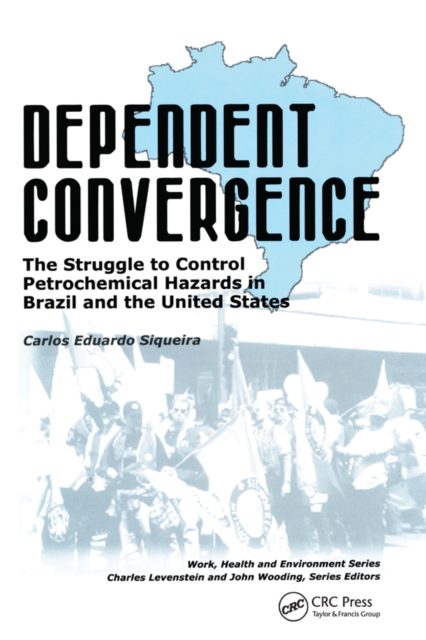
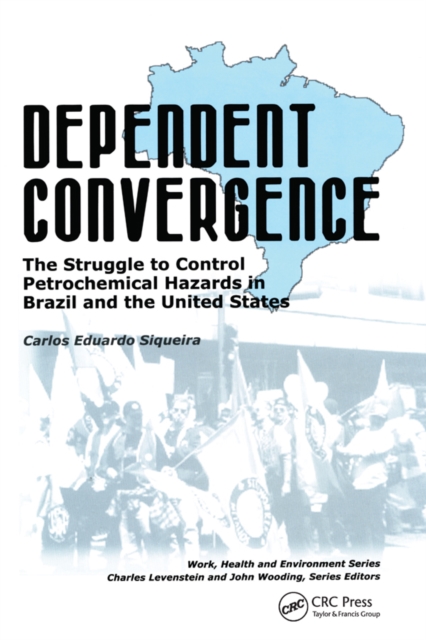
Comparative analyses of social actors and policy outcomes in Bahia and Texas show the similarities and differences in the actors and the policies adopted in each case.
Comparative analyses of social actors and policy outcomes in Bahia and Texas show the similarities and differences in the actors and the policies adopted in each case.
Occupational Safety and Hygiene V contains selected contributions from the International Symposium on Occupational Safety and Hygiene (SHO 2017, 10-11 April 2017, Guimaraes, Portugal).
Occupational Safety and Hygiene V contains selected contributions from the International Symposium on Occupational Safety and Hygiene (SHO 2017, 10-11 April 2017, Guimaraes, Portugal).
This volume provides in-depth coverage of environmental pollution sources, waste characteristics, control technologies, management strategies, facility innovations, process alternatives, costs, case histories, effluent standards, and future trends in the process industries.
This volume provides in-depth coverage of environmental pollution sources, waste characteristics, control technologies, management strategies, facility innovations, process alternatives, costs, case histories, effluent standards, and future trends in the process industries.
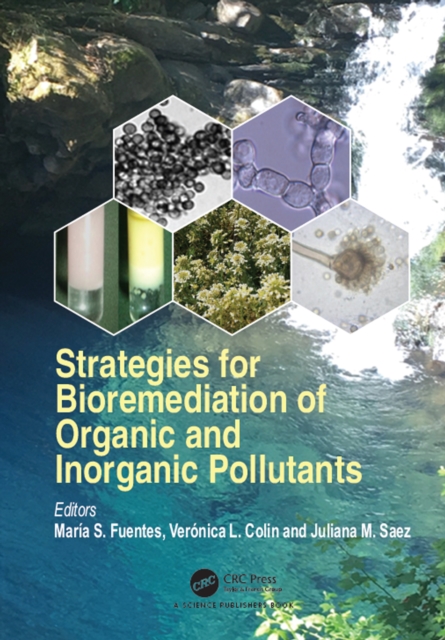
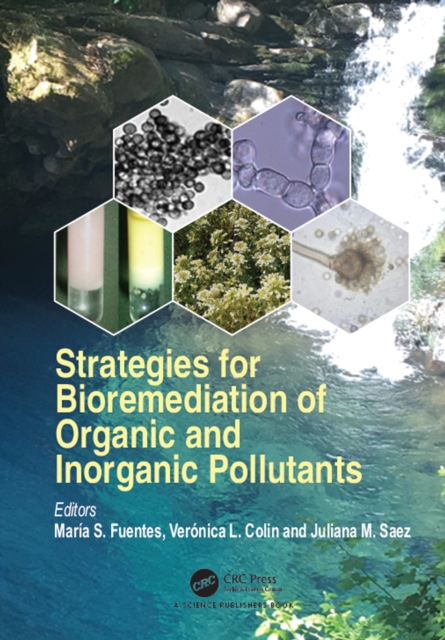
Phytoremediation aids to augment bioremediation as it uses broad range plants to remediate soil, sediment, surface water and ground water that have been contaminated with toxic metals, organic, pesticides and radionuclides.
Phytoremediation aids to augment bioremediation as it uses broad range plants to remediate soil, sediment, surface water and ground water that have been contaminated with toxic metals, organic, pesticides and radionuclides.