Written by a distinguished international scientist, who has made fundamental contributions on the climatic relationship between air pollution and meteorology, the book provides a compendium of realistic examples of air pollution behaviour.
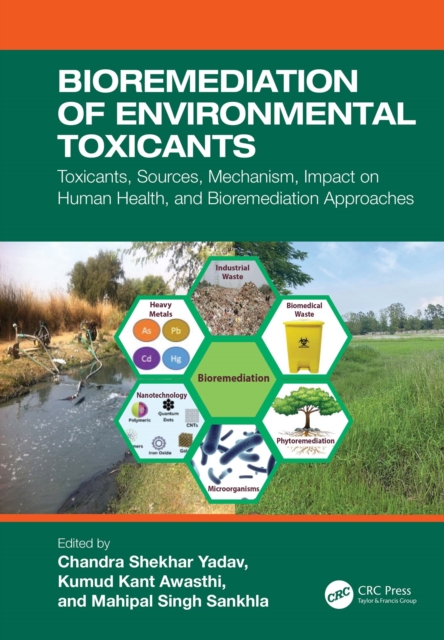
Bioremediation of Environmental Toxicants: Toxicants, Sources, Mechanism, Impact on Human Health, and Bioremediation Approaches provides insight into the nature of environmental toxicants, the impact on human health, and their bioremediation approaches, viz.
While sustainable growth confronts a progressively decisive role, and governments embrace measures to authorize reduced carbon emissions, understanding pioneering methods to provide supply chains in an environmental context epitomizes a significant purpose in diverse sectors.
Ecosystem services provide benefits to humans, includingprovisioning services (food, water, timber, fibre and genetic resources), regulating services (regulation of climate, floods, diseases and water quality), cultural services (recreational, aesthetic and spiritual), and support services (soil formation, pollination and nutrient cycling).
Household hazardous waste (HHW) is a topic that affects every individual and community given the nearly universal use, storage, and disposal of chemical consumer products.
Mining activities can increase environmental problems and compromise the quality of soils, surface water, groundwater and atmosphere, as well as expose the biota to toxic elements.
Edited by One of the Best Specialists in Soil ScienceRecent studies reveal that Phosphorus (P) in the form of phosphate, a macronutrient essential for plant growth, and crop yields can influence the bioavailability, retention, and mobility of trace elements, metal(loid)s, and radio nuclides in soils.
This new edition has been revised throughout, and adds several sections, including: lean manufacturing and design for the environment, low impact development and green infrastructure, green science and engineering, and sustainability.
Soil contamination represents a serious environmental problem and requires an immediate action plan to be prepared for typical and emergent contaminants.
This book examines the computations of gas-borne dust flows in local exhaust ventilation systems and provides practical recommendations for the energy-efficient containment of dust emissions.
Ecotoxicology and Chemistry Applications in Environmental Management describes how to set up an integrated, holistic approach to addressing ecotoxicological problems.
From the PrefaceThe Clean Air Act Amendments (CAAA) of 1990 significantly affect commercial and industrial combustion devices such as boilers, incinerators, and other burners.
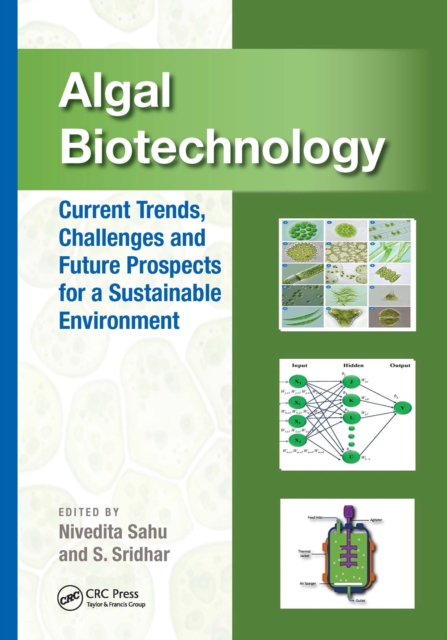
This book initiates with a general introduction to microalgae and algal biotechnology with subsequent discussions on all the significant aspects of applied biotechnology, bioremediation, nano applications, multidimensional usages of algae as a biofertilizer, and a source of bioactive compounds and phytochemicals.
This volume contains most of the scientific contributions to the workshop ``Prediction of Agricultural Nonpoint Source Pollution: Model Selection and Application' held in Venice, in the historic Ca' Vendramin Calergi, in June, 1984.
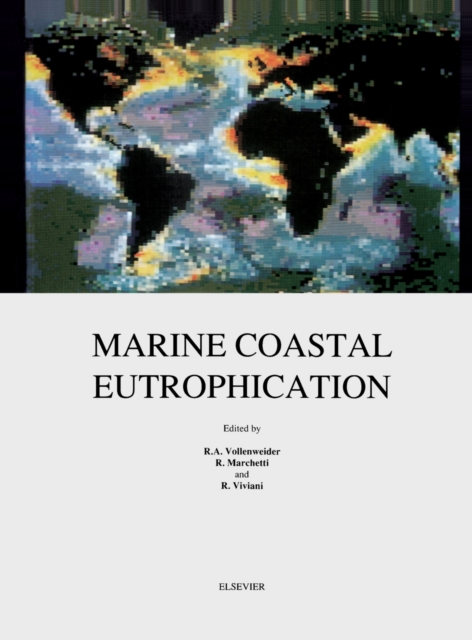
Eutrophication in the transitional marine coastal waters has increased dramatically in many parts of the world, and this evolution has shifted attention to the anthropogenic factor.
Air and noise pollution are, or are rapidly becoming, major problems for the physical and mental health of those living in large cities around the world.
Integrating and blending traditional theory with particle-energy-field theory, this book provides a framework for the analysis of soil behaviour under varied environmental conditions.
Management of hazardous chemicals and materials-particularly during emergency release situations-is a critical part of routine training required for workers and professionals in the chemical, petroleum and manufacturing industries.
Edited by One of the Best Specialists in Soil ScienceRecent studies reveal that Phosphorus (P) in the form of phosphate, a macronutrient essential for plant growth, and crop yields can influence the bioavailability, retention, and mobility of trace elements, metal(loid)s, and radio nuclides in soils.
In the field of industrial ventilation and air quality, a lack of adequate analysis for aerodynamic processes, as well as a shortage of properly equipped computer facilities, has forced specialists to rely on an empirical approach to find answers in the past.
Includes Illustrative Applications of Practical Design CalculationsWritten in a straightforward style and user-friendly format, Practical Design Calculations for Groundwater and Soil Remediation, Second Edition highlights the essential concepts and important aspects of major design calculations used in soil and groundwater remediation.
This book describes isolated actinobacteria from different environments, and how these can be used to bioremediate heavy metals and pesticides in contaminated sites.
Increased environmental consciousness within the scientific community has spurred the search for environmentally friendly processes as alternatives to conventional organic solvents.
Following the publication of the author's first book, Boilers for Power and Process by CRC Press in 2009, several requests were made for a reference with even quicker access to information.
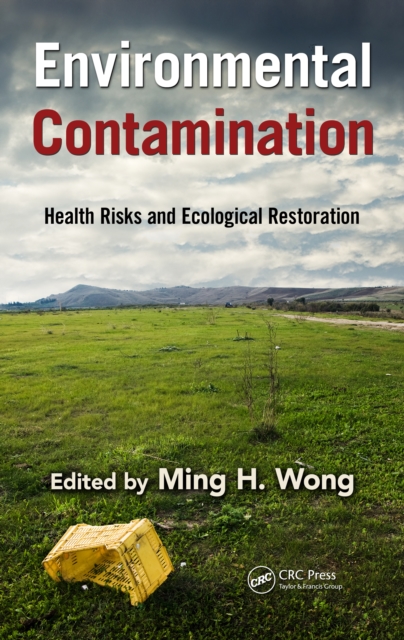
Bringing together the research of 62 distinguished scientists in one volume, Environmental Contamination: Health Risks and Ecological Restoration offers a comprehensive view of the remediation of contaminated land.
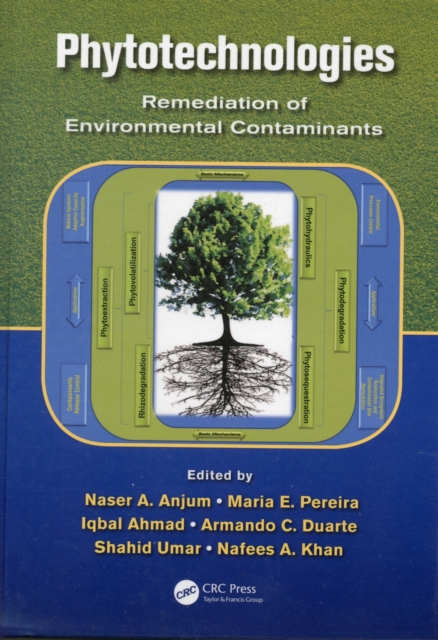
Phytotechnologies: Remediation of Environmental Contaminants highlights the use of natural and inherent traits of plants and associated microbes to exclude, accumulate, or metabolize a variety of contaminants, with the goal of efficiently and sustainably decontaminating the biosphere from unwanted hazardous compounds.
The steady growth in the number of vehicles on the road, heavy reliance on coal, use of dirty fuels for residential combustion, and extensive open burning are some of the major factors leading to the progressive deterioration of air quality in developing countries in Asia.