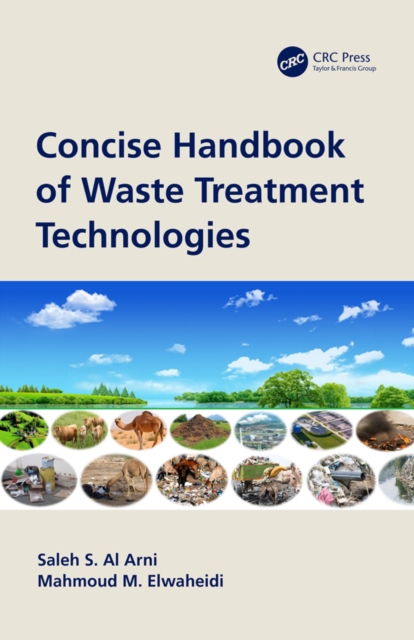
With specialized and succinct coverage, Concise Handbook of Waste Treatment Technologies provides readers with an integrated overview of various waste treatment technologies and related issues.
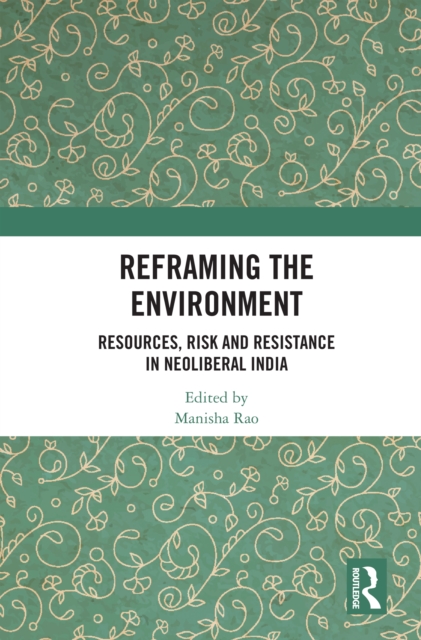
This volume unravels the underlying power relations that are masked in the present discourse of ecological sustainability and conflicts over natural resources.
This volume unravels the underlying power relations that are masked in the present discourse of ecological sustainability and conflicts over natural resources.
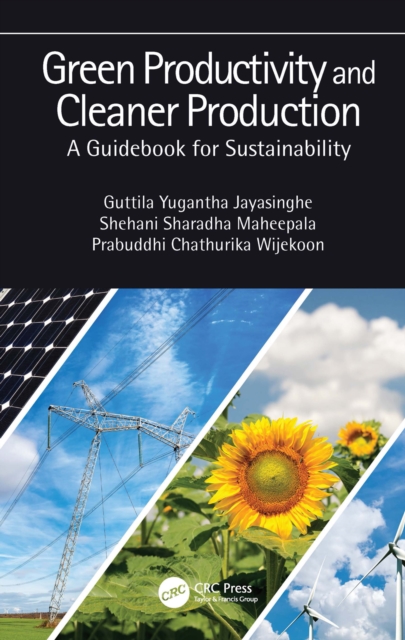
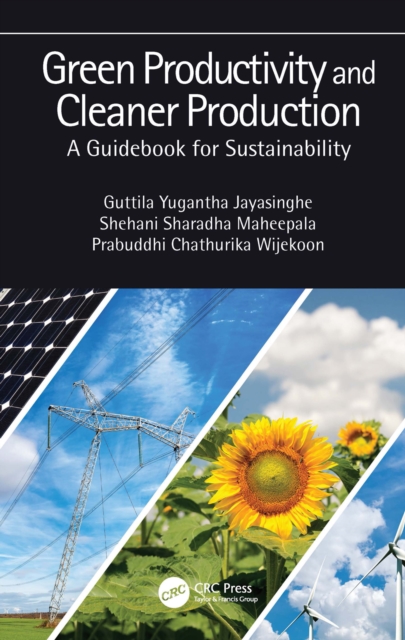
Green Productivity and Cleaner Production: A Guidebook for Sustainability focuses on green production processes that could help better achieve global sustainability.
Green Productivity and Cleaner Production: A Guidebook for Sustainability focuses on green production processes that could help better achieve global sustainability.
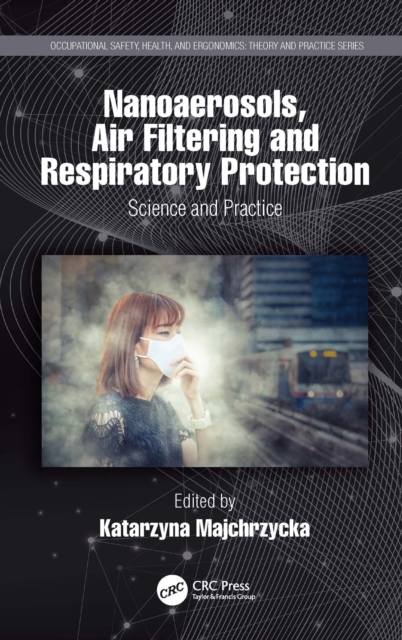
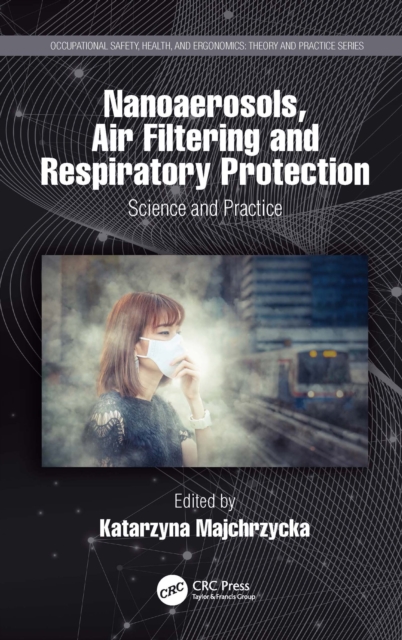
Recent toxicological studies show that nanoparticles released in technological processes and combustion processes outside industry can be dangerous for humans especially when entering the body through the mouth and nose.
Recent toxicological studies show that nanoparticles released in technological processes and combustion processes outside industry can be dangerous for humans especially when entering the body through the mouth and nose.
Oil Spill Dispersants: Mechanisms of Action and Laboratory Tests provides a comprehensive summary of current information available regarding the general formulation of commercial dispersants and their function to lower oil-water interfacial tension.
This book identifies the most important "e;rules"e; governing transport, partitioning, retention and transformation of leaked motor fuels in the underground environment.
Hazardous Waste Risk Assessment provides a concise yet comprehensive examination of concepts and techniques in risk assessment that can be applied to hazardous waste problems.
Groundwater Geochemistry: Fundamentals and Applications to Contamination examines the integral role geochemistry play s in groundwater monitoring and remediation programs, and presents it at a level understandable to a wide audience.
Physical Nonequilibrium in Soils provides cutting-edge knowledge on physical nonequilibrium phenomena in soils, offering unique insight into the complexity of our physical world.
This book is a useful reference work for practicing engineers in their evaluation and design of systems for the control of the industrial in-plant environment.
Physical Nonequilibrium in Soils provides cutting-edge knowledge on physical nonequilibrium phenomena in soils, offering unique insight into the complexity of our physical world.
Hazardous Waste Risk Assessment provides a concise yet comprehensive examination of concepts and techniques in risk assessment that can be applied to hazardous waste problems.
Groundwater Geochemistry: Fundamentals and Applications to Contamination examines the integral role geochemistry play s in groundwater monitoring and remediation programs, and presents it at a level understandable to a wide audience.
This book identifies the most important "e;rules"e; governing transport, partitioning, retention and transformation of leaked motor fuels in the underground environment.
Oil Spill Dispersants: Mechanisms of Action and Laboratory Tests provides a comprehensive summary of current information available regarding the general formulation of commercial dispersants and their function to lower oil-water interfacial tension.
This book is a useful reference work for practicing engineers in their evaluation and design of systems for the control of the industrial in-plant environment.
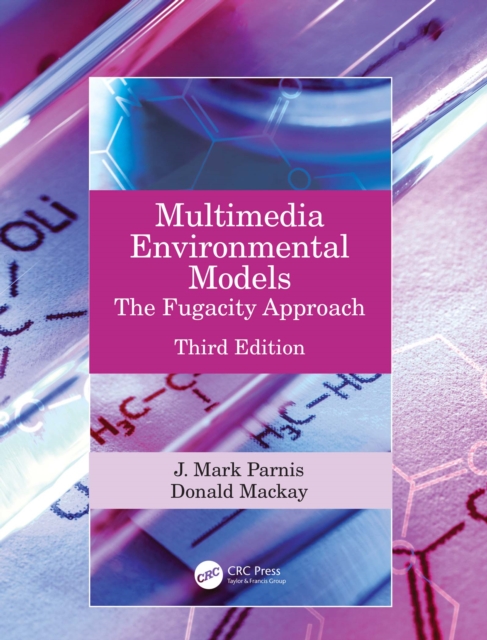
Multimedia Environmental Models: The Fugacity Approach, Third Edition, takes a broad approach of viewing chemical behavior in the total biosphere of connected biotic and abiotic compartments.
Multimedia Environmental Models: The Fugacity Approach, Third Edition, takes a broad approach of viewing chemical behavior in the total biosphere of connected biotic and abiotic compartments.
Applying pollution prevention strategies - the most viable environmental management option of the future - offers a cost-effective means of minimizing waste.
Brainstorming Questions in Toxicology is designed to serve as a comprehensive, quick reference supplement for various examinations that include sections on toxicology.
Brainstorming Questions in Toxicology is designed to serve as a comprehensive, quick reference supplement for various examinations that include sections on toxicology.
Heavy metals, such as lead, chromium, cadmium, zinc, copper, and nickel, are important constituents of most living organisms, as well as many nonliving substances.
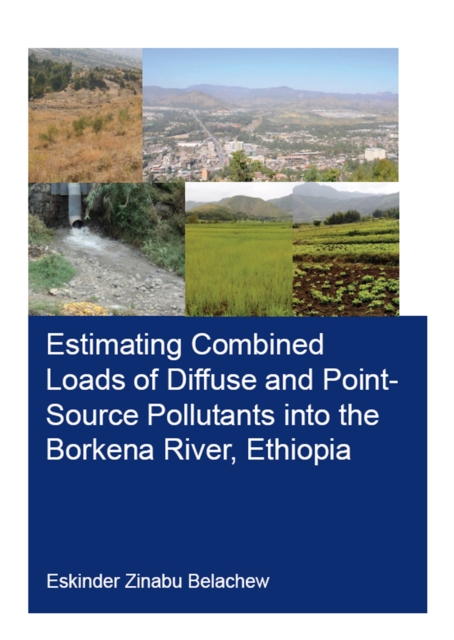
This book is an initial attempt to estimate the loads of heavy metal and nutrient loads into an industrial effluent receiving rivers of a typical industrializing catchment.
This book is an initial attempt to estimate the loads of heavy metal and nutrient loads into an industrial effluent receiving rivers of a typical industrializing catchment.
Featuring chapters from the bestselling Handbook of Industrial and Hazardous Wastes Treatment, Second Edition, this resource presents valuable strategies culled from the latest technologies and keen insights of experts in the field.
To satisfy demands for software systems that collect, organize and utilize pollution prevention auditing, design and implementation, hundreds of software companies have developed and are marketing software systems that perform these functions.
The management of hazardous materials and industrial wastes is complex, requiring a high degree of knowledge over very broad technical and legal subject areas.