Carefully crafted to provide a comprehensive overview of the chemistry of water in the environment, Water Chemistry: Green Science and Technology of Nature's Most Renewable Resource examines water issues within the broad framework of sustainability, an issue of increasing importance as the demands of Earth's human population threaten to overwhelm t
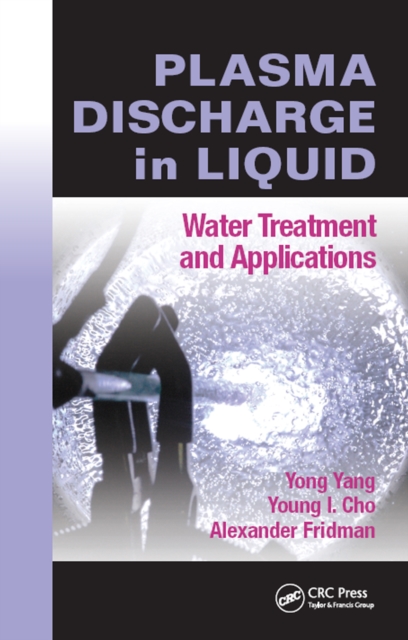
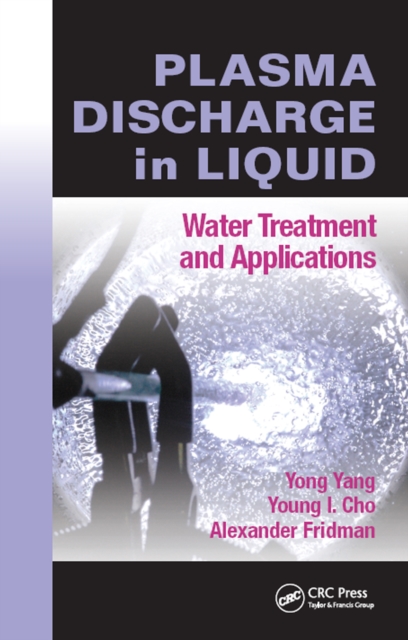
Plasma methods that effectively combine ultraviolet radiation, active chemicals, and high electric fields offer an alternative to conventional water treatment methods.
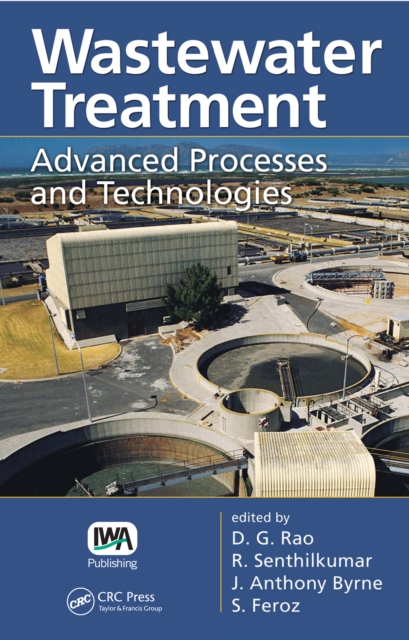
Emphasizing new technologies that produce clean water and energy from the wastewater treatment process, this book presents recent advancements in wastewater treatment by various technologies such as chemical methods, biochemical methods, membrane separation techniques, and nanotechnology.
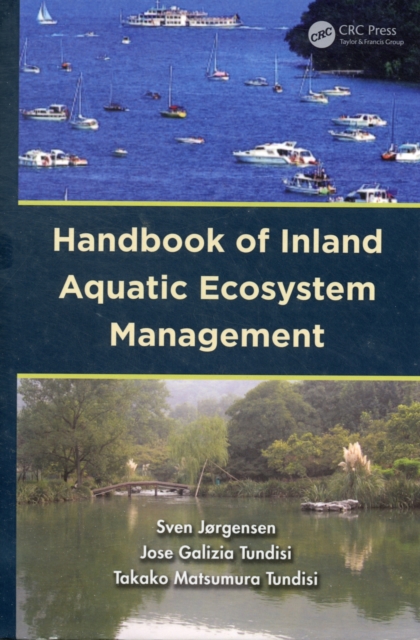
Combining background knowledge and practical tools, Handbook of Inland Aquatic Ecosystem Management gives you an overview of how to manage inland waters in a holistic manner.
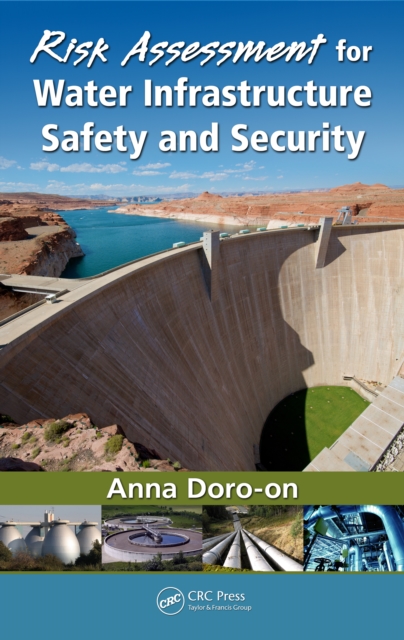
One of the seventeen critical infrastructures vital to the security of the United States, the water supply system remains largely unprotected from the threat of terrorism, including possible revenge by Al Qaeda over the killing of Osama Bin Laden.
A comprehensive collection of contributions from the Middle East and Japan, dealing with pressing problems concerning sustainability in arid zones, this time with the accent on environmental science and engineering.
Desalination Technology: Health and Environmental Impacts covers the latest developments in desalination, examining the environmental and public health-related impacts of these technologies.
Compiling recent advances in membrane separations technology, this highly relevant book introduces cost-effective solutions for separation problems in a wide range of industries.
This book provides industrial facilities with comprehensive guidance on the development of storm water pollution prevention plans and identification of Best Management Practices (BMPs).
With the increased use of alternative irrigation water sources on turfgrass and landscape sites, their management is becoming more complex and whole ecosystems-oriented.
A major new work on all aspects of water, the most used raw material ingredient in the pharmaceutical and biotechnology industries-used as an excipient in pharmaceutical formulations, as a cleaning agent, and as a separately packaged product diluent.
A successful modern heavy metal control program for any industry will include not only traditional water pollution control, but also air pollution control, soil conservation, site remediation, groundwater protection, public health management, solid waste disposal, and combined industrial-municipal heavy metal waste management.
Whether you are a new employee or seasoned professional you need easy access to the latest test methods, updated quality control procedures, and calculations at your fingertips.
The detection of pharmaceutical residues remained elusive until instruments such as liquid chromatography and mass spectrometry became commonplace in environmental laboratories.
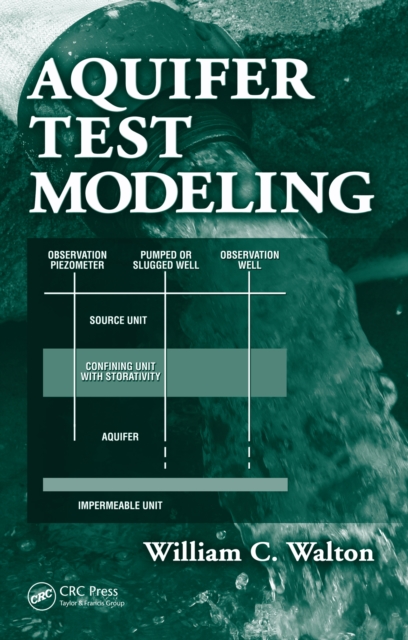
In recognition of the trend toward using numerical methdos for analyzing aquifer test data, Aquifer Test Modeling delineates the application of numerical Laplace inversion analytical equations and numerical models and demonstrates the use of public domain software.
As EPA standards for water quality have tightened in recent years, the need to more accurately assess filter performance and improve the overall treatment process has led to increased demand for the high sensitivity provided by particle counters.
Continuing the tradition of excellence established by the first edition, the Second Edition of Applied Wetlands Science and Technology provides the fundamentals for delineating, identifying, and regulating wetlands.
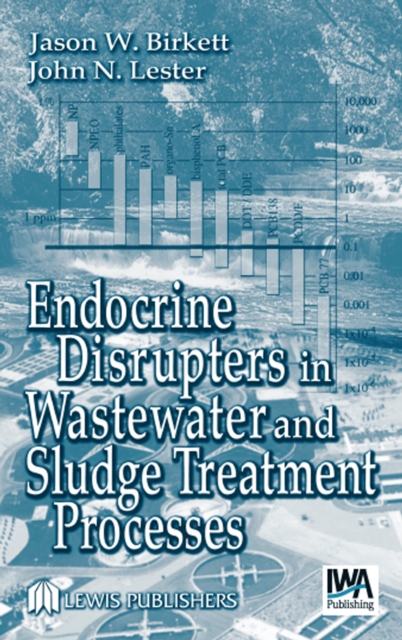
Endocrine Disrupting Chemicals (EDCs) have been shown to produce changes in the endocrine system of organisms, leading to increases in cancers and abnormalities in reproductive structure and function.
This volume in the Fundamentals for the Water and Wastewater Main Operator series covers the basics of piping and valves in water and wastewater plants, including details on fittings, strainers, filters, traps and control systems.
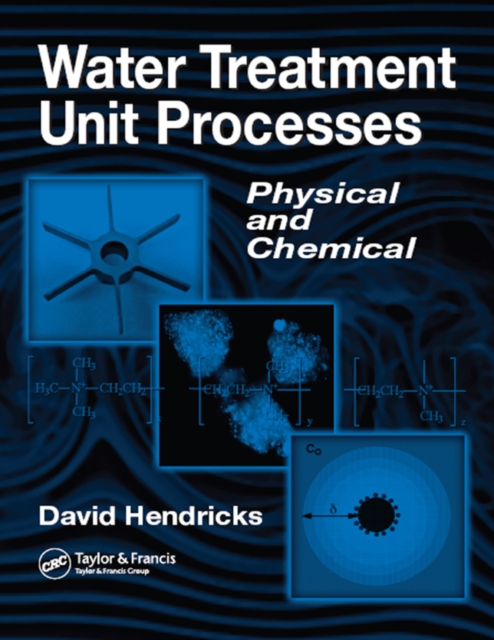
The books currently available on this subject contain some elements of physical-chemical treatment of water and wastewater but fall short of giving comprehensive and authoritative coverage.
High surface area, a microporous structure, and a high degree of surface reactivity make activated carbons versatile adsorbents, particularly effective in the adsorption of organic and inorganic pollutants from aqueous solutions.
The immense environmental challenges facing the world now and in years to come can only be met through marshalling the talents of the best environmental engineers and scientists, and through the use of innovative, cost-effective solutions.
Alternating the focus of the series each year, the new volume in the Ion Exchange and Solvent Extraction series represents the vanguard of research in ion exchange.
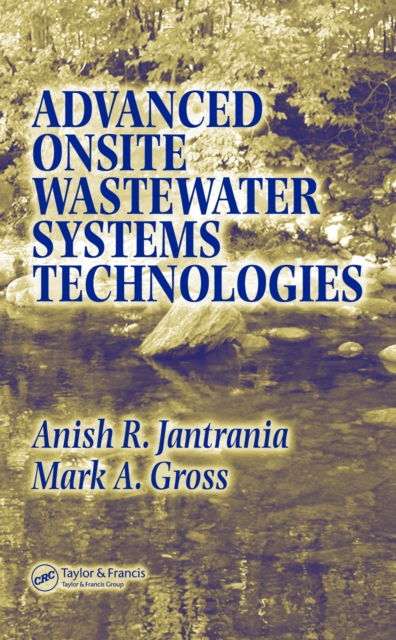
Drawing on the authors' combined experience of more than 30 years, Advanced Onsite Wastewater Systems Technologies explores use of these technologies on a wide-scale basis to solve the problems associated with conventional septic tank and drain field systems.
Providing an introduction to good engineering practice for electrical and electronic engineers, this book is intended for first- and second-year undergraduate courses.
Modern Residential Construction Practices provides easy-to-read, comprehensive and highly illustrated coverage of residential building construction practices that conform to industry standards in the United States and Canada.
Modern Residential Construction Practices provides easy-to-read, comprehensive and highly illustrated coverage of residential building construction practices that conform to industry standards in the United States and Canada.
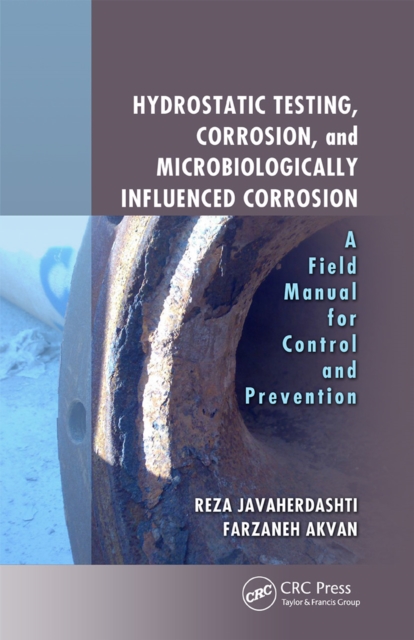
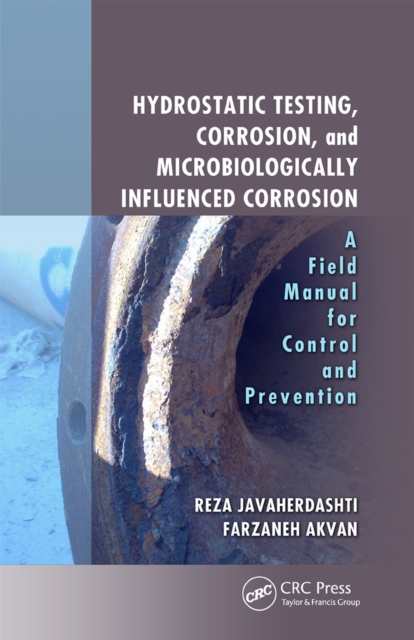
Hydrostatic Testing, Corrosion, and Microbiologically Influenced Corrosion: A Field Manual for Control and Prevention teaches industry professionals, managers, and researchers how to combat corrosion failure associated with hydrotesting.
Hydrostatic Testing, Corrosion, and Microbiologically Influenced Corrosion: A Field Manual for Control and Prevention teaches industry professionals, managers, and researchers how to combat corrosion failure associated with hydrotesting.
Plasma methods that effectively combine ultraviolet radiation, active chemicals, and high electric fields offer an alternative to conventional water treatment methods.
As water demand has increased globally and resources have become more limited because of physical scarcity, over-exploitation and pollution, it has been necessary to develop more options for water supplies.
As water demand has increased globally and resources have become more limited because of physical scarcity, over-exploitation and pollution, it has been necessary to develop more options for water supplies.