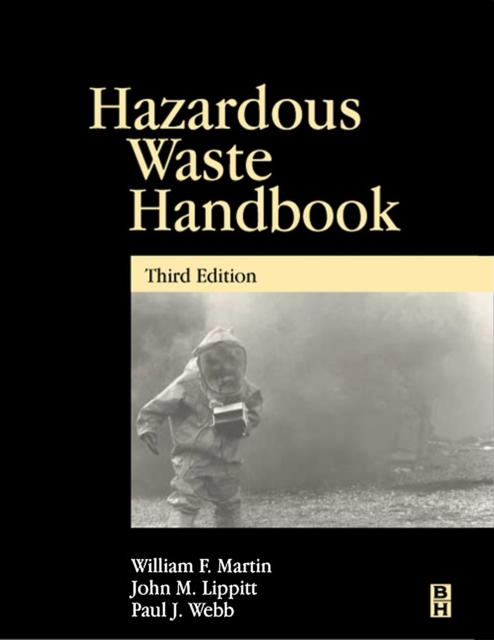
Hazardous Waste Handbook 3E offers a straightforward approach to protecting workers who clean up the nation's hazardous waste sites and chemical spills.
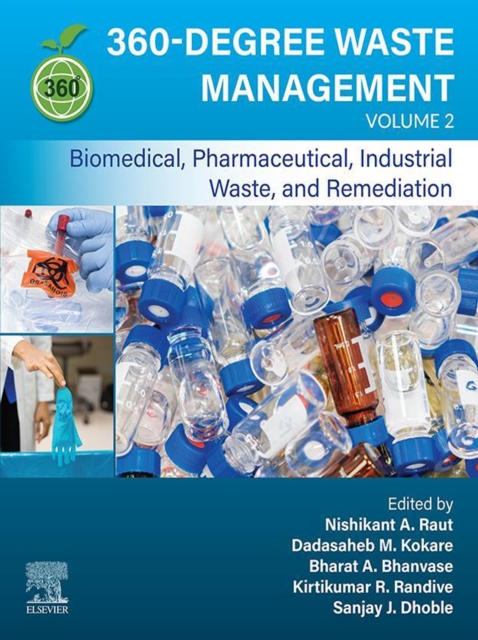
360 Degree Waste Management, Volume Two: Biomedical, Pharmaceutical, and Industrial Waste and Remediation presents an interdisciplinary approach to understanding various types of biomedical, pharmaceutical, and industrial waste, including their origin, management, recycling, disposal, effects on ecosystems, and social and economic impacts.
Environmental Engineering, Second Edition provides a comprehensive introduction to air, water, noise, and radioactive materials pollution and its control.
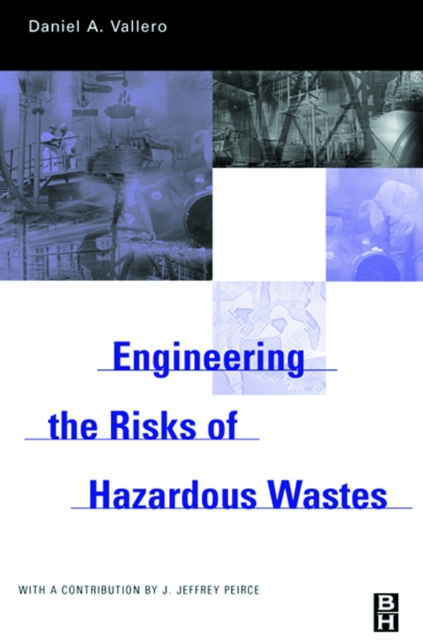
Many engineers, from the chemical and process industries, waste treatment system management and design to the clean-up of contaminated sites, are engaged in careers that address hazardous wastes.
There is increasing political and environmental pressure on industry to clean up the water which it uses in many processes, and to re-use this water where possible.
Decision-Making in Water Resource Policy and Management: An Australian Perspective presents the latest information in developing new decision-making processes.
Taking the reader through the history of industrial waste treatment and directing them toward a new path of best practice, Industrial Waste Treatment illustrates how current treatment techniques are affected by regulatory and economic constraints, scientific knowledge and tolerances.
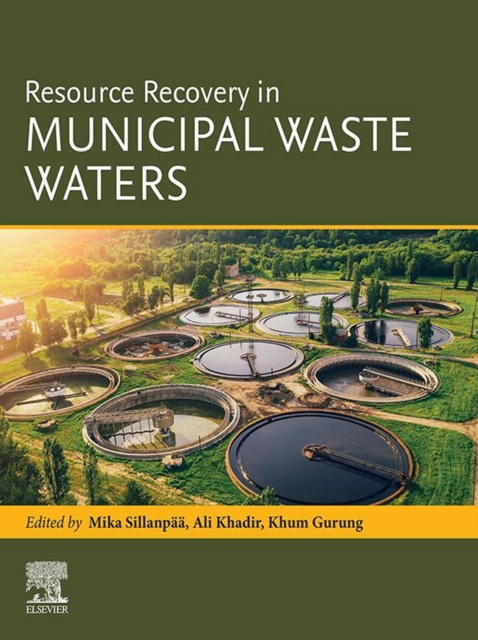
Resource Recovery in Municipal Waste Waters provides various municipal wastewater remediation methods and techniques to recover materials from such wastewaters.
Waste-Based Zeolite: Synthesis and Environmental Applications focuses on the use of waste-based materials to fabricate zeolite and its subsequent use in environmental applications.
The Integrated Water Resources Management (IWRM) paradigm has been worldwide recognized as the only feasible way currently available to ensure a sustainable perspective in planning and managing water resource systems.
Microirrigation has become the fastest growing segment of the irrigation industry worldwide and has the potential to increase the quality of food supply through improved water fertilizer efficiency.
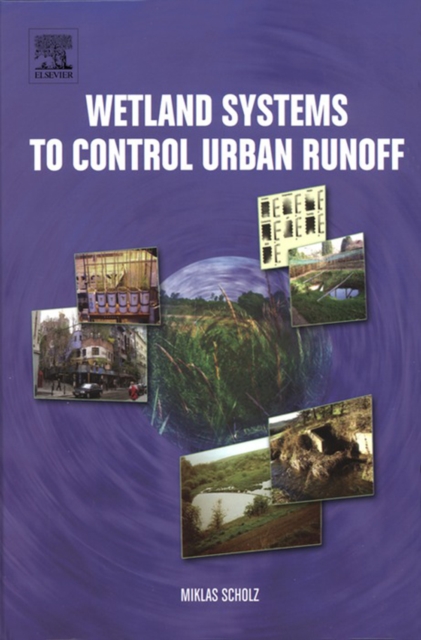
Wetland Systems to Control Urban Runoff integrates natural and constructed wetlands, and sustainable drainage techniques into traditional water and wastewater systems used to treat surface runoff and associated diffuse pollution.
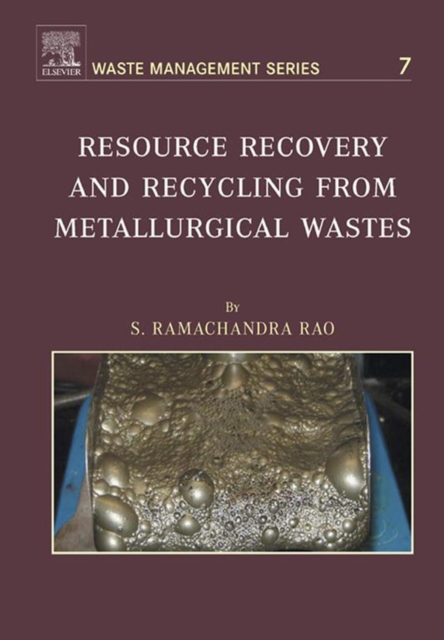
Resource recovery and recycling from millions of tons of wastes produced from industrial activities is a continuing challenge for environmental engineers and researchers.
Membrane systems are finding increasing application worldwide in the purification of potable and industrial water, and their design and use is set to grow considerably in years to come.
In today's chemically dependent society, environmental studies demonstrate that drinking water in developed countries contains numerous industrial chemicals, pesticides, pharmaceuticals and chemicals from water treatment processes.
Industrial Waste Treatment Handbook provides the most reliable methodology for identifying which waste types are produced from particular industrial processes and how they can be treated.
Advanced separations technology is key to closing the nuclear fuel cycle and relieving future generations from the burden of radioactive waste produced by the nuclear power industry.
Energizing Waste: The Circularity Way explores innovative waste-to-energy (WtE) solutions that transform non-recyclable waste into clean energy while reducing operational costs.