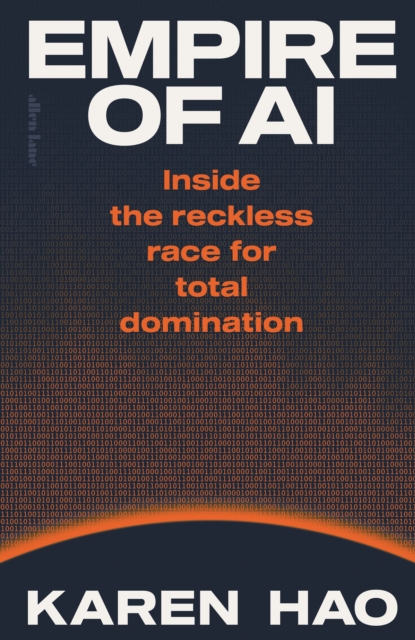
A New York Times and Sunday Times BestsellerWinner of the National Book Critics Circle Award 2025Longlisted for the 2025 Financial Times & Schroders Business Book of the YearShortlisted for Foyles Non Fiction Book of the Year 2025An eye-opening account of the tech arms race shaping out planet, from an award-winning journalist and AI insider to the world of Sam Altman and OpenAIWhen longtime AI expert and journalist Karen Hao first began covering OpenAI in 2019, she thought they were the good guys.
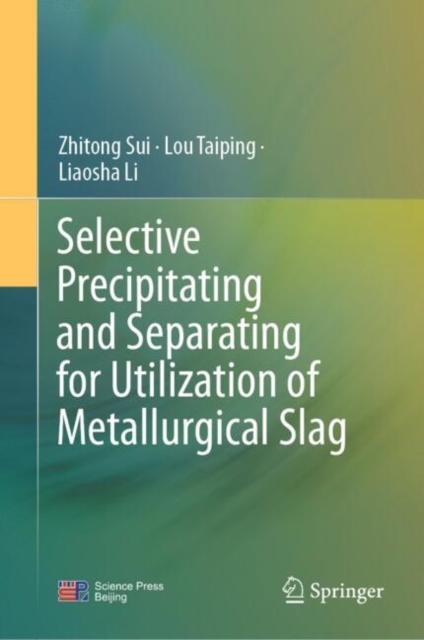
This book applies the selective precipitating and separating technology firstly to pyrometallurgical processes to change the composition, morphology and other properties of metallurgical molten slag.
This book applies the selective precipitating and separating technology firstly to pyrometallurgical processes to change the composition, morphology and other properties of metallurgical molten slag.
Dieses Essential konzentriert sich auf aktuelle Entwicklungen bei der Umwandlung lignocellulosehaltiger Biomasse durch Pyrolyse in die drei Hauptprodukte Biokohle, Bioöl und Synthesegas.
Dieses Essential konzentriert sich auf aktuelle Entwicklungen bei der Umwandlung lignocellulosehaltiger Biomasse durch Pyrolyse in die drei Hauptprodukte Biokohle, Bioöl und Synthesegas.
This book provides a comprehensive exploration of the role of constructed wetlands in sustainable wastewater treatment and their contribution to the emerging concept of the biocircular economy.
This book provides a comprehensive exploration of the role of constructed wetlands in sustainable wastewater treatment and their contribution to the emerging concept of the biocircular economy.
This volume in the Forestry Sciences book series examines Eucalyptus plantation development in Southeast Asia, focusing on how innovative technologies can help balance socio-economic benefits with environmental sustainability.
This volume in the Forestry Sciences book series examines Eucalyptus plantation development in Southeast Asia, focusing on how innovative technologies can help balance socio-economic benefits with environmental sustainability.
This second edition expands on the foundational concepts of the first edition by incorporating cutting-edge research and emerging technologies for sustainable agriculture.
This second edition expands on the foundational concepts of the first edition by incorporating cutting-edge research and emerging technologies for sustainable agriculture.
This book contains selected papers presented at the 7th edition of the International Conference Wastes: Solutions, Treatments and Opportunities, that took place on September 3–5, 2025, in Funchal, Isle of Madeira, Portugal.
This book contains selected papers presented at the 7th edition of the International Conference Wastes: Solutions, Treatments and Opportunities, that took place on September 3–5, 2025, in Funchal, Isle of Madeira, Portugal.
This book presents a comprehensive study on development and performance of fibre-reinforced rubcrete, an innovative concrete incorporating pre-treated crumb rubber from waste tyres as partial replacement of natural aggregates.
This book presents a comprehensive study on development and performance of fibre-reinforced rubcrete, an innovative concrete incorporating pre-treated crumb rubber from waste tyres as partial replacement of natural aggregates.
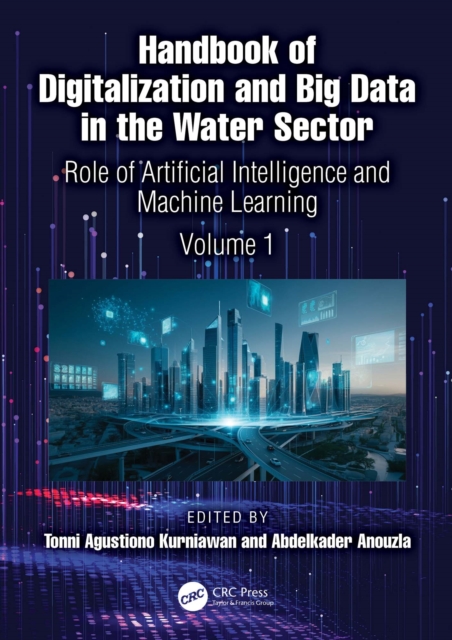
This three-volume set delves into the intersection of cutting-edge technology and environmental science to address pressing challenges in the water sector and develop digitalization solutions that can have practical implementation in decision-making and management of wastewater treatment.
MXene Composites for Biological and Environmental Applications is a comprehensive exploration of the revolutionary potential of MXene composites in addressing pressing environmental and biological challenges.
This three-volume set delves into the intersection of cutting-edge technology and environmental science to address pressing challenges in the water sector and develop digitalization solutions that can have practical implementation in decision-making and management of wastewater treatment.
Industrial Water and Waste Treatment: Case Studies offers a crucial exploration of real-world solutions for wastewater treatment, resource recovery, and environmental conservation.
Industrial Water and Waste Treatment: Technology Developments, the third volume in the Industrial Water and Waste Treatment series, presents a comprehensive exploration of cutting-edge technological advancements and their practical applications in industrial wastewater management.
Industrial Water and Waste Treatment: Case Studies offers a crucial exploration of real-world solutions for wastewater treatment, resource recovery, and environmental conservation.
Industrial Water and Waste Treatment: Technology Developments, the third volume in the Industrial Water and Waste Treatment series, presents a comprehensive exploration of cutting-edge technological advancements and their practical applications in industrial wastewater management.
MXene Composites for Biological and Environmental Applications is a comprehensive exploration of the revolutionary potential of MXene composites in addressing pressing environmental and biological challenges.
Sustainable Hard Machining: Implementation and Assessment analyzes the various methodologies of cooling and lubrication employed during hard machining operations, along with their potential contributions towards achieving sustainable machining.
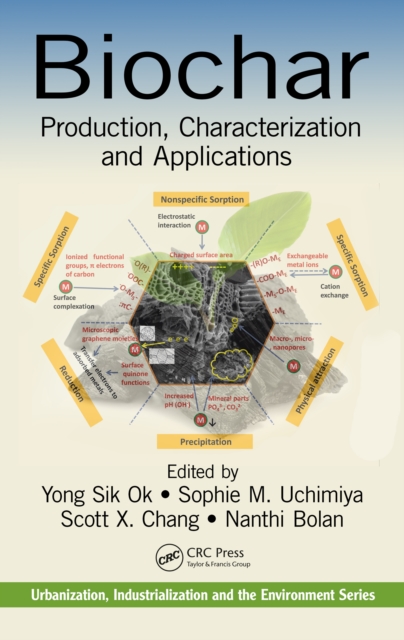
Encompassing high priority research areas such as bioenergy production, global warming mitigation, and sustainable agriculture, biochar has received increased worldwide interest in the past decade.
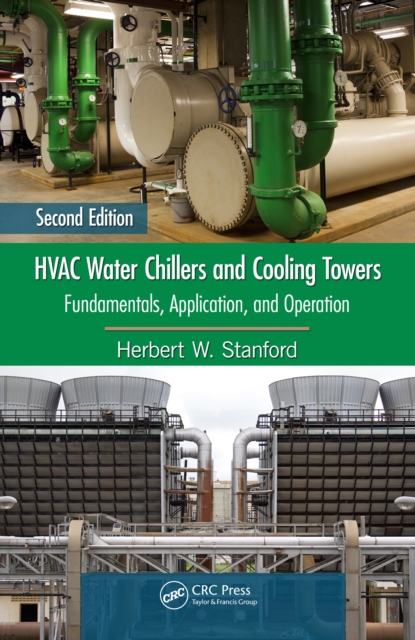
HVAC Water Chillers and Cooling Towers: Fundamentals, Application, and Operation, Second Edition explores the major improvements in recent years to many chiller and cooling tower components that have resulted in improved performance and lower operating costs.
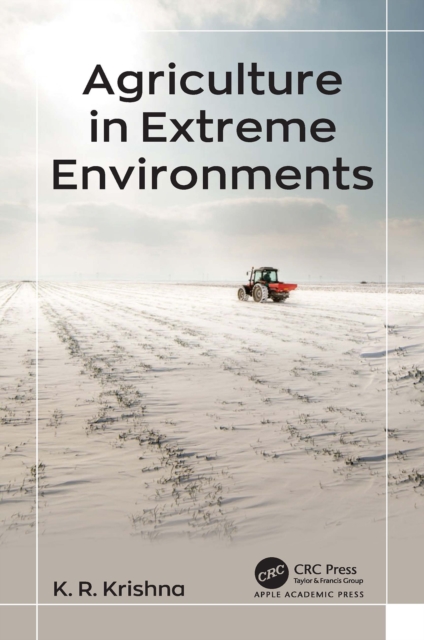
This new volume highlights the present status of farming regions that experience extreme environmental conditions, which pose special challenges to successful agricultural pursuits.
A major new work on all aspects of water, the most used raw material ingredient in the pharmaceutical and biotechnology industries-used as an excipient in pharmaceutical formulations, as a cleaning agent, and as a separately packaged product diluent.
Maximize efficiency and minimize pollution: the breakthrough technology of high temperature air combustion (HiTAC) holds the potential to overcome the limitations of conventional combustion and allow engineers to finally meet this long-standing imperative.