Heavy metals, such as lead, chromium, cadmium, zinc, copper, and nickel, are important constituents of most living organisms, as well as many nonliving substances.
A Detailed, Up-to-Date Treatment of Key Developments in PEMFC MaterialsThe potential to revolutionize the way we power our worldBecause of its lower temperature and special polymer electrolyte membrane, the proton exchange membrane fuel cell (PEMFC) is well-suited for transportation, portable, and micro fuel cell applications.
Compiling recent advances in membrane separations technology, this highly relevant book introduces cost-effective solutions for separation problems in a wide range of industries.
Employs a Step-by-Step Modular Approach to Structural ModelingConsidering that wavelet transforms have also proved useful in the solution and analysis of engineering mechanics problems, up to now there has been no sufficiently comprehensive text on this use.
Integrated Biorefineries: Design, Analysis, and Optimization examines how to create a competitive edge in biorefinery innovation through integration into existing processes and infrastructure.
In this series Rajiv Kohli and Kash Mittal have brought together the work of experts from different industry sectors and backgrounds to provide a state-of-the-art survey and best-practice guidance for scientists and engineers engaged in surface cleaning or handling the consequences of surface contamination.
This book covers in detail programs and technologies for converting traditionally landfilled solid wastes into energy through waste-to-energy projects- Modern Waste-to-Energy plants are being built around the world to reduce the levels of solid waste going into landfill sites and contribute to renewable energy and carbon reduction targets.
This book provides an overview of the rapidly growing and developing field of nanotechnology, focusing on key essentials and structured around a robust anatomy of the subject.
The Handbook of Cleaner Production comprises a series of reference guides to cleaner production methods, technologies, and practices for key industry sectors.
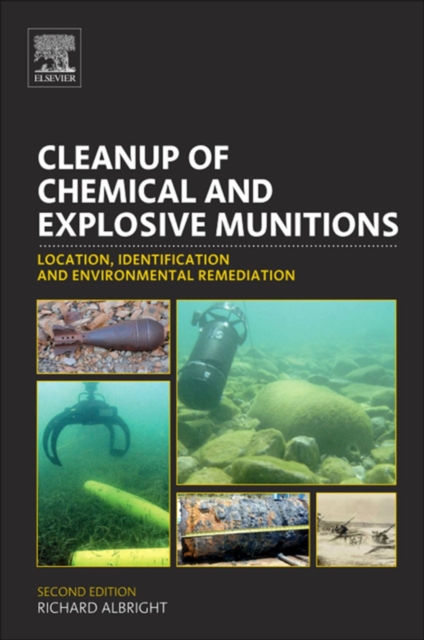
Unexploded military ordnance and toxic chemicals, some dating back to the two World Wars, are a global concern, especially when former military bases are redeveloped for housing or other civilian uses.
This book provides industrial facilities with comprehensive guidance on the development of storm water pollution prevention plans and identification of Best Management Practices (BMPs).
This book, besides discussing challenges and opportunities, will reveal the microbe-metal interactions and strategies for e-waste remediation in different ecosystems.
Unexploded military ordnance and toxic chemicals, some dating back to the two World Wars, are a global concern, especially when former military bases are redeveloped for housing or other civilian uses.
Reimagining Our Cities for a Greener TomorrowDive into the transformative world of sustainable architecture and urban planning with Green Horizons: The Revolution of Eco-Friendly Architecture and Urban Planning.
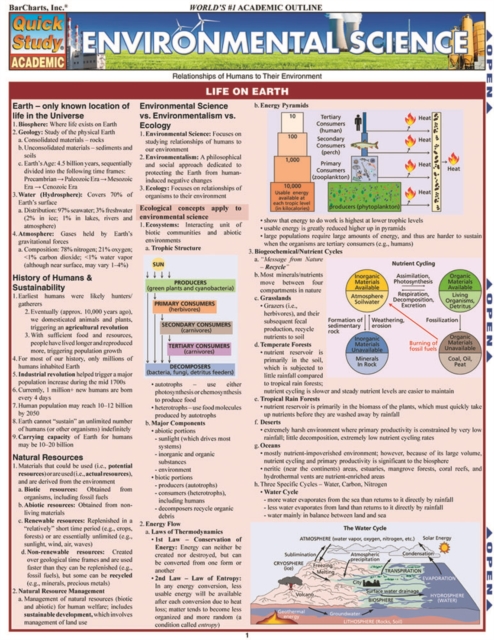
All the sciences are interrelated, as our 3-panel (6-page) guide will reinforce by showing the relationship between human beings, the environment and planet Earth.
Surface and colloid chemistry principles impact many aspects of our daily lives, ranging from the cleaners and cosmetics we use to combustion engines and cement.
As water quality becomes a leading concern for people and ecosystems worldwide, it must be properly assessed in order to protect water resources for current and future generations.
Published nearly ten years ago, the first edition of Practical Atlas for Bacterial Identification broke new ground with the wealth of detail and breadth of information it provided.
All manufacturing companies face the daunting task of designing an employee training matrix that meets the gamut of national and international regulatory standards.
Since the publication of the first edition of this volume in 1988, we have made great strides in reducing the amount of toxic waste that threatens our water, soil, and air.
Developed by a plant manager who experienced first-hand the challenges to going green in a business environment, Green Intentions provides organizations with a simple, straightforward, and practical approach to green the Green Value Stream (GVS) process that is as mindful as it is profitable.
With the increased use of alternative irrigation water sources on turfgrass and landscape sites, their management is becoming more complex and whole ecosystems-oriented.
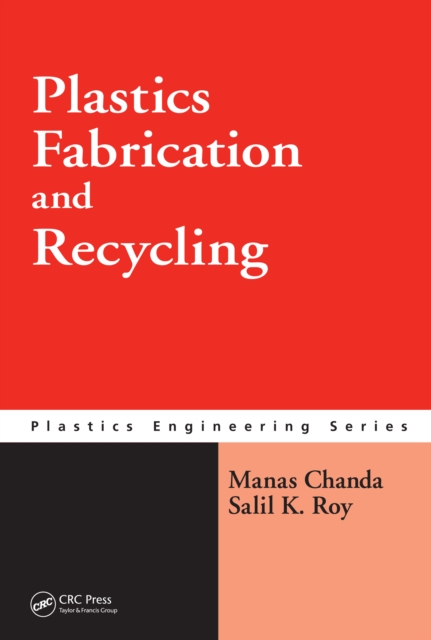
Derived from the fourth edition of the well-known Plastics Technology Handbook, Plastics Fabrication and Recycling presents the molding and fabrication processes of plastics as well as several important fe
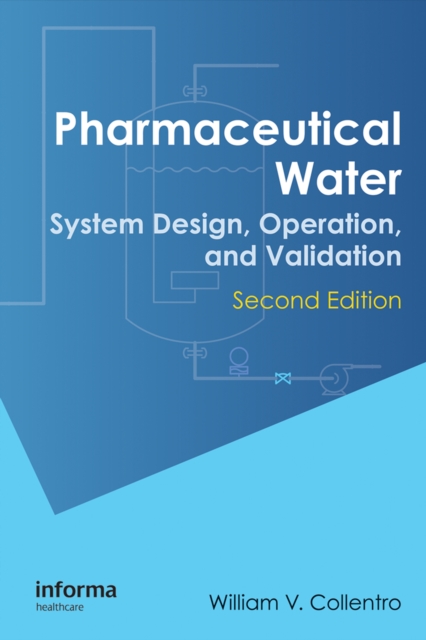
A major new work on all aspects of water, the most used raw material ingredient in the pharmaceutical and biotechnology industries-used as an excipient in pharmaceutical formulations, as a cleaning agent, and as a separately packaged product diluent.
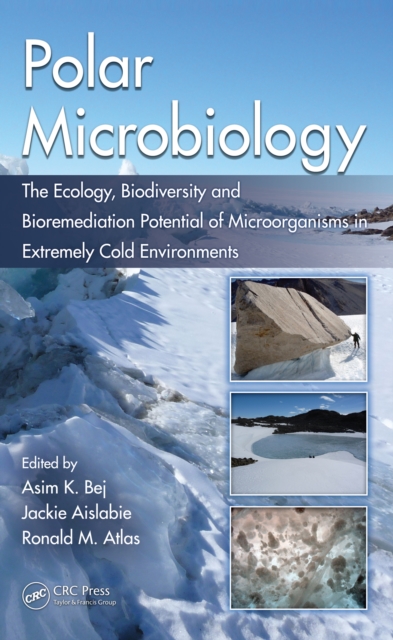
Pollution has accompanied polar exploration since Captain John Davis' arrival on the Antarctic continent in 1821 and has become an unavoidable consequence of oil spills in our polar regions.
A-Z Guide for Maximum Cost Reduction and Increased Equipment Reliability To remain globally competitive, today's manufacturing operations have greatly improved, but there is one last link in the advancement evolution.
Uncover the Technology behind Hybrids and Make an Intelligent Decision When Purchasing Your Next Vehicle With one billion cars expected to be on the roads of the world in the near future, the potential for war over oil and the negative environmental effects of emissions will be greater than ever before.
Hailed on first publication as a masterful review of the topic, The Science of Air: Concepts and Applications quickly became a standard resource in the field.
A successful modern heavy metal control program for any industry will include not only traditional water pollution control, but also air pollution control, soil conservation, site remediation, groundwater protection, public health management, solid waste disposal, and combined industrial-municipal heavy metal waste management.
Refiners' efforts to conform to increasingly stringent laws and a preference for fuels derived from renewable sources have mandated changes in fluid cracking catalyst technology.
Although valuable resources in river basins and other aqueous environments, sediments often receive much less attention from researchers, policymakers, and other professionals than other components of the ecosystem.
Fueled partially by large, well-publicized efforts such as the Human Genome Project, genomic research is a rapidly growing area in multiple biological disciplines, including toxicology.
As the global nature of pollution becomes increasingly obvious, successful hazardous waste treatment programs must take a total environmental control approach that encompasses all areas of pollution control.
Principles of Hydrogeology, Third Edition presents important concepts of groundwater hydrology with a strong emphasis on problem-solving and field applications of hydrogeology.
Taking an in-depth, hard science, and practical look at the problems of indoor environmental pollution, Indoor Environmental Quality covers all the major indoor contaminants - inorganic, organic, and biological.
Whether you are a new employee or seasoned professional you need easy access to the latest test methods, updated quality control procedures, and calculations at your fingertips.
The detection of pharmaceutical residues remained elusive until instruments such as liquid chromatography and mass spectrometry became commonplace in environmental laboratories.
This book combines the results of current research with essential background material to provide complete, in-depth coverage of every aspect of in situ and ex situ bioremediation, as well as an extensive overview of the physical and chemical processes currently available for treating petroleum-contaminated soils.