The applications of solvent extraction (SX) and liquid membranes (LM) span chemistry, metallurgy, hydrometallurgy, chemical/mineral processing, and waste treatment-making it difficult to find a single resource that encompasses fundamentals as well as advanced applications.
Standing firmly on the foundation built by the previous two editions, each a bestseller in its own right, Definitions, Conversions, and Calculations for Occupational Safety and Health Professionals, Third Edition is bound to repeat this success.
Completely revised and updated, Treatment Wetlands, Second Edition is still the most comprehensive resource available for planning, designing, and operating wetland treatment systems.
Although the field of radioactive air sampling has matured and evolved over decades, it has lacked a single resource that assimilates technical and background information on its many facets.
This book explores the integration of artificial intelligence (AI) in environmental engineering, emphasizing the unique challenges and approaches required for the accurate modeling of physical phenomena.
Alternating the focus of the series each year, the new volume in the Ion Exchange and Solvent Extraction series represents the vanguard of research in ion exchange.
Modeling Tools for Environmental Engineers and Scientists enables environmental professionals, faculty, and students with minimal computer programming skills to develop computer-based mathematical models for natural and engineered environmental systems.
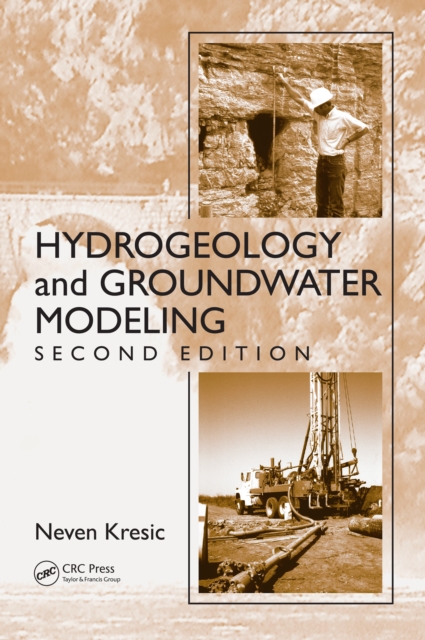
Coupling the basics of hygrogeology with analytical and numerical modeling methods, Hydrogeology and Groundwater Modeling, Second Edition provides detailed coverage of both theory and practice.
A compilation of published scientific information, including human, animal, cellular, and theoretical studies, Depleted Uranium: Properties, Uses and Health Consequences provides the most current and comprehensive collection of information on depleted uranium health hazards.
The readers of the book Just Technology: The Quest for Cultural, Economic, Environmental, and Technical Sustainability, Second Edition of will benefit from its systematic approach in evaluating the true sustainability challenges facing society and will learn how to address these challenges in a just manner.
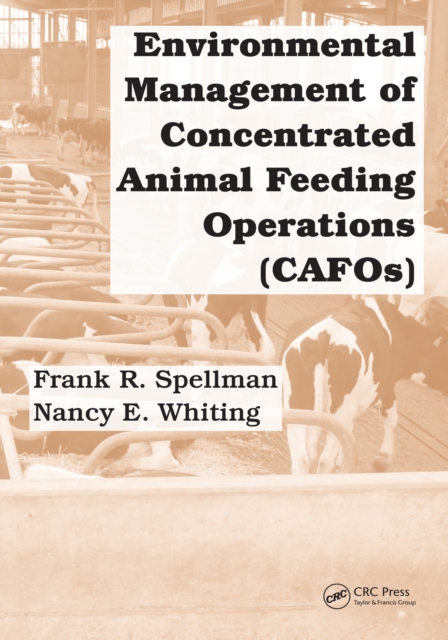
Clean and environmentally sound disposal of animal waste in the quantities that Concentrated Animal Feeding Operations (CAFOs) produce can only be described as a challenge.
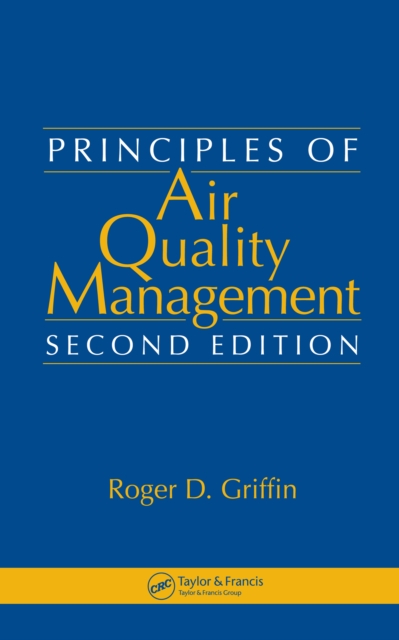
Blending information from popular mainstream articles, highly technical publications, and research journals, the second edition of Principles of Air Quality Management features new sections on air toxics, new information on chronic and acute health effects, and new approaches to the assessment of those impacts on sensitive populations.
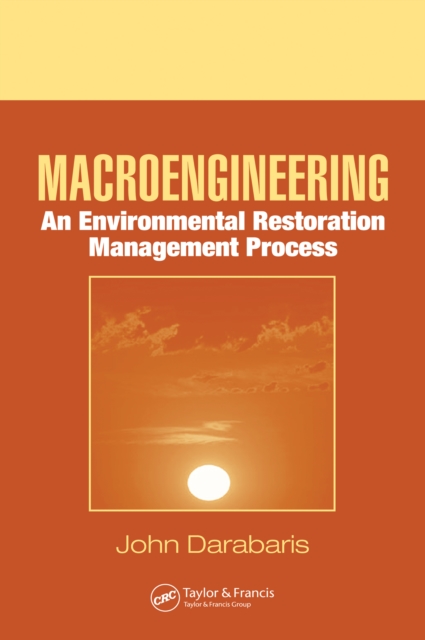
Macroengineering: An Environmental Restoration Management Process provides a comprehensive understanding of all the technical, cost, and regulatory issues that an environmental project manager would potentially face on a large scale environmental restoration project.
In situ treatments involving the arrangement of contact between prospective reactants in complex porous media require a refined understanding of solute migration.
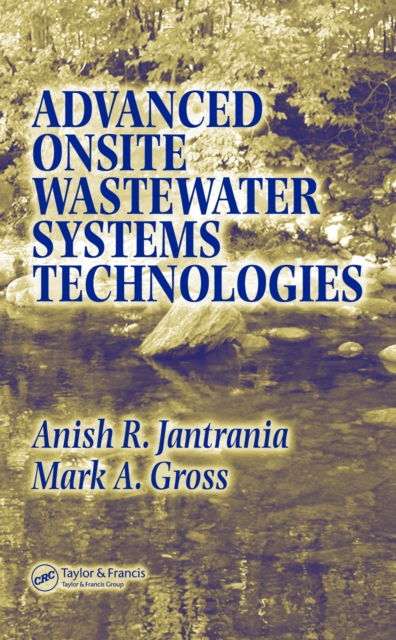
Drawing on the authors' combined experience of more than 30 years, Advanced Onsite Wastewater Systems Technologies explores use of these technologies on a wide-scale basis to solve the problems associated with conventional septic tank and drain field systems.
Fully revised and thoroughly updated, the Second Edition of Planning and Urban Change provides an accessible yet richly detailed account of British urban planning.
Enough plastic is thrown away every year to circle the world 4 times More than 8 million tonnes of plastic enter the oceans each year 300 million tonnes of new plastic is produced every year An estimated 15-51 trillion pieces of plastic now litter the world's oceans 38.
A provocative contribution to the climate justice debateClimate change and justice are so closely associated that many people take it for granted that a global climate treaty should-indeed, must-directly address both issues together.
Nanotechnology uses nanomaterials/nanoparticles that can penetrate plant cells and interact with intracellular organelles and metabolites impacting plant growth, development, physiology, and biochemistry.
The Swiss National Forest Inventory (NFI) is a forest survey on national level which started in 1982 and has already reached its 5th survey cycle (NFI5).
The extent of harmful effects of pollution on atmospheric, terrestrial and aquatic environments can be translated into extreme temperature changes, dirty air, clean water shortages, and increased incidence of toxicity that harms every life on earth.
Nuclear and radioactive agents are considerable concerns especially after the early 1990s and more attention has been focused on the radiation detection technologies.
International experts provide a comprehensive picture of the principles, concepts and methods that are applicable to problems originating from the interaction between the living/non-living environment and mankind.
Building on more than a decade of innovative research into multi-source forest inventory (MS-NFI) this book presents full details of the development, outputs and applications of the improved k-NN method.
This volume contains the lectures and seminars given at the NATO Advanced Study Institute on "e;Sensor Systems for Biological Threads: The Algal Toxins Case"e;, held in Pisa, Italy in October, 2007.
This volume includes a selection of papers presented at the conference "e;Susta- able Resource Use and Economic Dynamics"e; (SURED), held on Monte Verita ` in Ascona, Switzerland, in June 2004.
Soil and groundwater pollution caused by contaminants including petroleum hydrocarbons, represents a serious threat to the environment in NATO and NATO Partner countries.