Providing more than just a comprehensive history, critical vocabulary, insightful compilation of motivations, and clear explanation of the state-of-the-art of modern clinical trial simulation, this book supplies a rigorous framework for employing simulation as an experiment, according to a predefined simulation plan, that reflects good simulation p
Emphasizing the role of good statistical practices (GSP) in drug research and formulation, this book outlines important statistics applications for each stage of pharmaceutical development to ensure the valid design, analysis, and assessment of drug products under investigation and establish the safety and efficacy of pharmaceutical compounds.
Presents authoritative state-of-the-art discussions of the key issues pertinent to transdermal drug delivery, examining those topics necessary to enable a critical evaluation of a drug candidate's potential to be delivered across the skin; from physical chemistry and assessment of drug permeability to available enhancement technolgies, to regulator
Aimed at those already involved in drug development or those considering entering the field, Clinical Drug Trials and Tribulations, Second Edition comprehensibly addresses the new, day-to-day challenges of drug development with valuable assessments of the areas affecting the conduction of nonclinical and clinical studies.
From disease marker identification to accelerated drug development, Protein Arrays, Biochips, and Proteomics offers a detailed overview of current and emerging trends in the field of array-based proteomics.
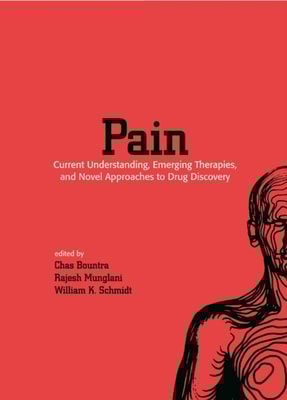
This reference presents a detailed overview of approaches and techniques in the management of pain caused by tissue, nerve and central nervous system injuries, categorizing pain into a variety of syndromes and underlying mechanisms to aid the development of interventional pharmacologic measures.
Due to the changing nature of the practice of pharmacy, today's pharmacists, pharmaceutical scientists, and researchers are faced with an increasing amount of ethical dilemmas.
Primarily intended for physicians and health care professionals who are treating obese patients, this book explores current and future options for drug treatment of obesity puts them into perspective against available alternative treatments.
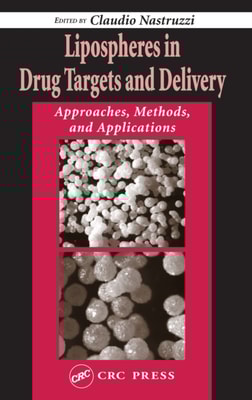
Lipospheres in Drug Targets and Delivery: Approaches, Methods, and Applications presents an overview of the most recent applications of lipospheres primarily in the field of medicine, pharmaceutics, and biotechnology.
Since the advent of cDNA microarrays, oligonucleotide array technology, and gene chip analysis, genomics has revolutionized the entire field of biomedical research.
All too often, the words "e;computer validation"e; strike terror into the hearts of those new to the process and may even cause those familiar with it to tremble.
Written by prominent and international researchers directly involved in the area of polymeric vectors for gene delivery, this is the first book to specifically address polymeric gene delivery systems.
Newcomers to the field of biopharmaceuticals require an understanding of the basic principles and underlying methodology involved in developing protein- and nucleic acid-based therapies for genetic and acquired diseases.
Both pervasive and ubiquitous, computerized systems are now an integral component of every corporate strategy in pharmaceutical and healthcare companies.
With over twenty different official regulatory statements worldwide on Good Manufacturing Practice (GMP) for pharmaceutical, drug, or medicinal products, two stand out as being the most influential and most frequently referenced.
Completely revised, this second edition provides the practical, hands-on labeling information needed to secure rapid regulatory approval, gain marketplace acceptance, and assure user comprehension.
Completely revised and updated, Fluid Sterilization by Filtration, Third Edition discusses the use of gas and fluid filtration systems in sterilization technology.
Focusing on the development of enzyme inhibitors as therapeutic drugs, Enzymes and Their Inhibitors: Drug Development provides a concise overview of the chemistry of major types of enzymes and their inhibitors.
Microbiologists working in both the pharmaceutical and medical device industries, face considerable challenges in keeping abreast of the myriad microbiological references available to them, and the continuously evolving regulatory requirements.
The Handbook of Fungal Biotechnology offers the newest developments from the frontiers of fungal biochemical and molecular processes and industrial and semi-industrial applications of fungi.
Covering regulatory requirements stipulated by the FDA, this book delineates the organization, planning, verification, and documentation activities and procedural controls required for compliance with worldwide computer systems validation regulations.
Highlighting key points from the latest regulatory requirements, New Drug Development helps those new to the world of pharmaceutical development understand regulatory steps, reduce cost by avoiding unnecessary trials, and attain guidance through each step of the drug approval process.
This authoritative reference presents an up-to-date review of the testing methods, emerging technologies, and analytical systems and procedures used to prevent the microbial contamination of pharmaceutical processes, products, and environments.
Covering every essential element in the development of chiral products, this reference provides a solid overview of the formulation, biopharmaceutical characteristics, and regulatory issues impacting the production of these pharmaceuticals.
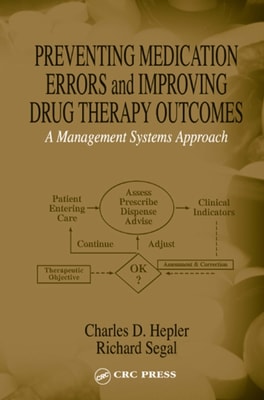
Read this book in order to learn:Why medicines often fail to produce the desired result and how such failures can be avoidedHow to think about drug product safety and effectivenessHow the main participants in a medications use system can improve outcomes and how professional and personal values, attitudes, and ethical reasoning fit into
The fact that good manufacturing practice (GMP) audits in the pharmaceutical and biotechnology industries have to be evaluated, and with very limited resources, has created a gap in this field.
Topical and transdermal drug delivery systems (TDDs) have several advantages over traditional drug delivery methods, as they can be less invasive, more sanitary, more cost-effective, and may result in better patient compliance.
Natural Products (NPs) is the term used to describe the hundreds of thousands of chemical compounds or substances that are continually produced by living organisms (plants and microbes).
Microfluidics is a young and rapidly expanding scientific discipline, which deals with fluids and solutions in miniaturized systems, the so-called lab-on-a-chip systems.
Patents for Chemicals, Pharmaceuticals and Biotechnology is the established and highly-acclaimed introduction to patent law and practice, guiding the reader through the legal and procedural complexities of the British, European, Japanese, and United States patent systems.
Patents for Chemicals, Pharmaceuticals and Biotechnology is the established and highly-acclaimed introduction to patent law and practice, guiding the reader through the legal and procedural complexities of the British, European, Japanese, and United States patent systems.
European pharmaceutical law can be a minefield, due to the peculiarities of the European single market, the complexity of contemporary issues, and the rapid pace of scientific advancement.
European pharmaceutical law can be a minefield, due to the peculiarities of the European single market, the complexity of contemporary issues, and the rapid pace of scientific advancement.
The chemicals, pharmaceuticals and biotechnology industries worldwide rely upon being able to patent inventions in order to protect investment in research and development, and to reap commercial rewards.
Despite the phenomenal clinical success of antibody-based biopharmaceuticals in recent years, discovery and development of these novel biomedicines remains a costly, time-consuming, and risky endeavor with low probability of success.