The growing need to find a sustainable, environmentally-friendly replacement for petroleum-based materials is fuelling the development of bio-based polymers from renewable resources.
Shape memory polymers (SMPs) are an emerging class of smart polymers which give scientists the ability to process the material into a permanent state and predefine a second temporary state which can be triggered by different stimuli.
Rehabilitation of Pipelines Using Fibre-reinforced Polymer (FRP) Composites presents information on this critical component of industrial and civil infrastructures, also exploring the particular challenges that exist in the monitor and repair of pipeline systems.
Edited papers from the 1995 conference Ecotextile - Wealth for Waste in Textiles, organised by Bolton Institute and the British Textile Technology Group.
Polymer matrix composites are increasingly replacing traditional materials, such as metals, for applications in the aerospace, automotive and marine industries.
Understanding the techniques for joining fabrics together in a way that considers durability, strength, leak-tightness, comfort in wear and the aesthetics of the joints is critical to the production of successful, structurally secure fabric products.
The increased use of polymer matrix composites in structural applications has led to the growing need for a very high level of quality control and testing of products to ensure and monitor performance over time.
Polymer matrix composites are used extensively across a wide range of industries, making the design and development of effective manufacturing processes of great importance.
As a method of joining with economic, performance-related and environmental advantages over traditional welding in some applications, adhesive bonding of joints in the marine environment is increasingly gaining popularity.
Corrosion of Polymers and Elastomers provides a detailed examination of the corrosive effects of thermoplastic polymers, thermoset polymers, and elastomeric materials.
This book and its companion volumes contain plastics additives formulations based on information received from numerous industrial companies and other organizations.
This book and its companion volumes contain plastics additives formulations based on information received from numerous industrial companies and other organizations.
This book and its companion volumes contain plastics additives formulations based on information received from numerous industrial companies and other organizations.
Second in the Metallocene series from PDL, this book focuses on the commercial use and process improvements of resins produced with metallocene, single site, and other modern catalytic methods.
The broad collection of techniques gathered in this book help illustrate material/process/property relationships for a wide selection of materials and processes in the plastics industry.
Recent developments in high performance thermoplastic resins and their composites are described in this book, and the benefits and limitations of these emerging materials are assessed for aerospace and other applications.
This book is intended to be a source of practical information on all types of plastic foams (cellular plastics) in use, including the new structural plastic foams.
This valuable guide to compounding elastomers with precipitated silica covers principles, properties, mixing, testing and formulations from a practical perspective.
The second edition of this popular industrial guide describes over 2,800 currently available epoxy resins, curing agents, compounds, and modifiers, based on information supplied by 71 manufacturers or distributors of these products.
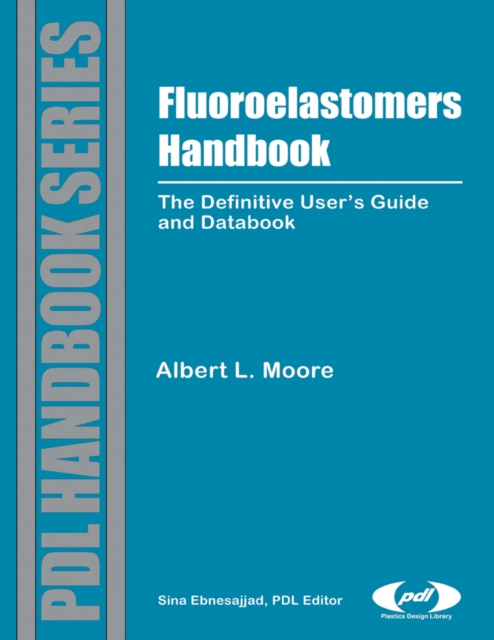
Fluoroelastomers Handbook: The Definitive User's Guide and Databook is a comprehensive reference on fluoroelastomer chemistry, processing technology, and applications.
This volume covers advanced polymer processing operations and is designed to provide a description of some of the latest industry developments for unique products and fabrication methods.
A surge of new molding technologies is transforming plastics processing and material forms to the highly efficient, integrated manufacturing that will set industry standards in the early years of this century.
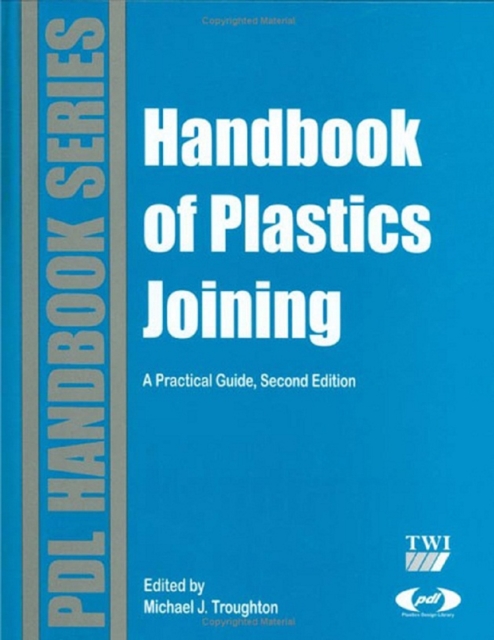
The new edition of this bestselling reference provides fully updated and detailed descriptions of plastics joining processes, plus an extensive compilation of data on joining specific materials.
Polymer matrix composites are increasingly replacing traditional materials, such as metals, for applications in the aerospace, automotive and marine industries.
Understanding the techniques for joining fabrics together in a way that considers durability, strength, leak-tightness, comfort in wear and the aesthetics of the joints is critical to the production of successful, structurally secure fabric products.
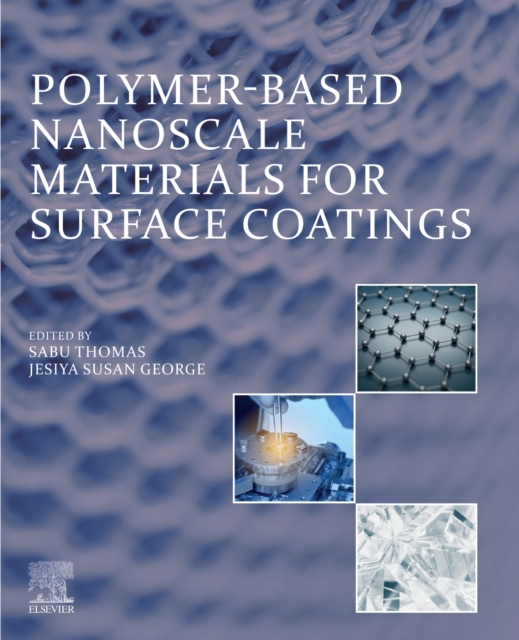
Polymer-Based Nanoscale Materials for Surface Coatings presents the latest advances and emerging technologies in polymer-based nanomaterials for coatings, focusing on novel materials, characterization techniques, and cutting-edge applications.
Polymer-Based Nanoscale Materials for Surface Coatings presents the latest advances and emerging technologies in polymer-based nanomaterials for coatings, focusing on novel materials, characterization techniques, and cutting-edge applications.
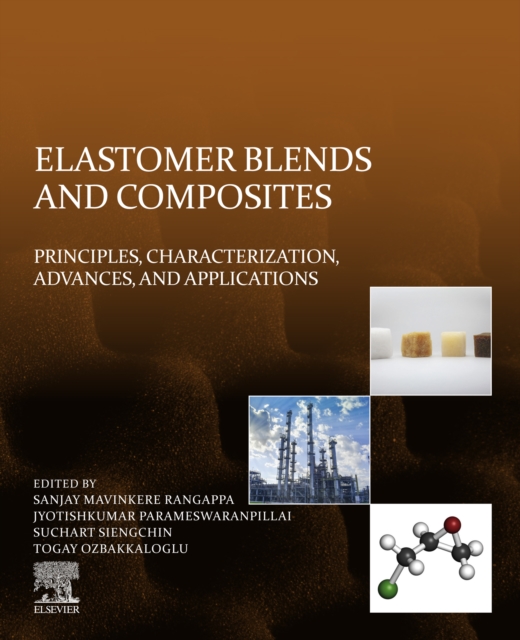
Elastomer Blends and Composites: Principles, Characterization, Advances, and Applications presents the latest developments in natural rubber and synthetic rubber-based blends and nanocomposites, with a focus on current trends, future directions and state-of-the-art applications.
As new applications are developed and plastics replace traditional materials in a widening spectrum of existing applications, the potential personal injury, property damage, financial and legal consequences of failure can be high.
This unified presentation of cationic polymerization discusses initiation, propagation, transfer, and termination in cationic polymerizations of alkenes and heterocycles.
Based on the International Workshop on Controlled Life-Cycle of Polymeric Materials held in Stockholm, this work examines degradable polymers and the recycling of plastic materials.
Details laboratory and industrial synthesis and applications of oligomers-suggesting practical solutions to the on-the-job problems as well as exploring processing devices and techniques for industrial-scale production of new oligomer types.
Sustainable Polylactide-Based Blends provides a critical overview of the state-of-the-art in polylactide (PLA)-based blends, addressing the latest advances, innovative processing techniques and fundamental issues that persist in the field.