With the increasing use of Deep Learning systems across various industries, there is a growing need to make their decision-making processes more understandable and transparent.
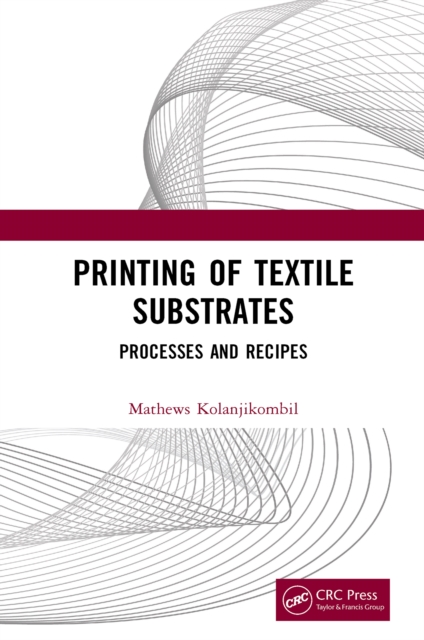
This book provides comprehensive coverage of printing techniques for textile substrates including cellulosic fibres, natural fibres, synthetic fibres, and blended materials.
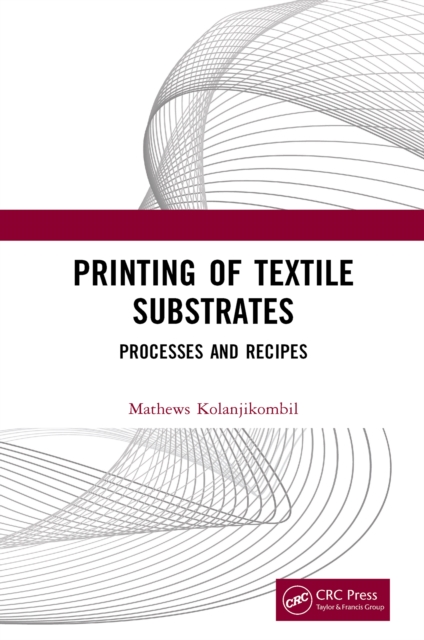
This book provides comprehensive coverage of printing techniques for textile substrates including cellulosic fibres, natural fibres, synthetic fibres, and blended materials.
A beautifully illustrated look at how weaving has influenced art, industry, and society worldwideWeaving is one of humanity's oldest technologies and remains central to our global economies.
A beautifully illustrated look at how weaving has influenced art, industry, and society worldwideWeaving is one of humanity's oldest technologies and remains central to our global economies.
Energy and Energy Transformation thoroughly examines energy systems, encompassing the analysis, calculation, and practical applications of energy transformation, with an extensive overview of both renewable and nonrenewable energy sources.
Energy and Energy Transformation thoroughly examines energy systems, encompassing the analysis, calculation, and practical applications of energy transformation, with an extensive overview of both renewable and nonrenewable energy sources.
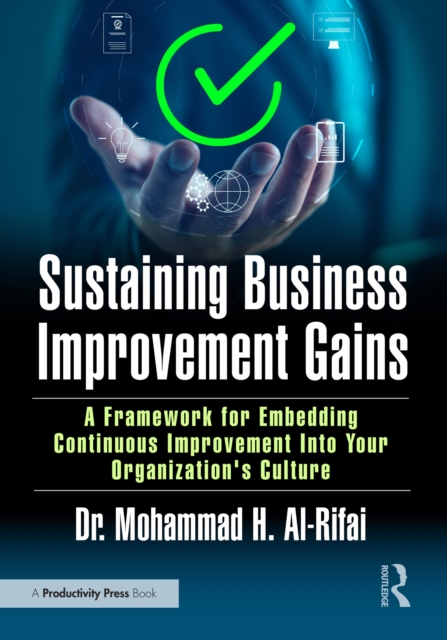
This book serves as a comprehensive guide to one of the most persistent challenges in operational excellence: sustaining the gains achieved through improvement initiatives.
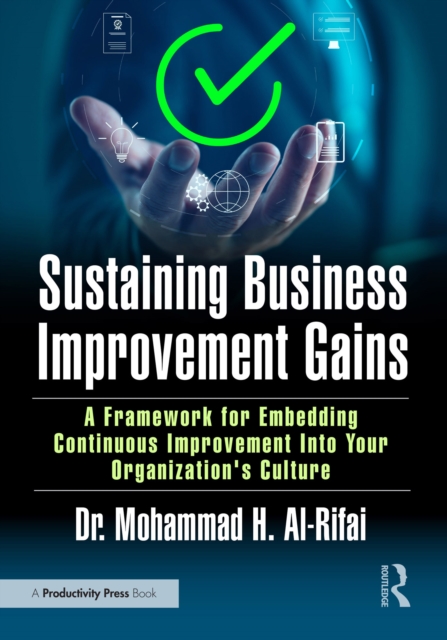
This book serves as a comprehensive guide to one of the most persistent challenges in operational excellence: sustaining the gains achieved through improvement initiatives.
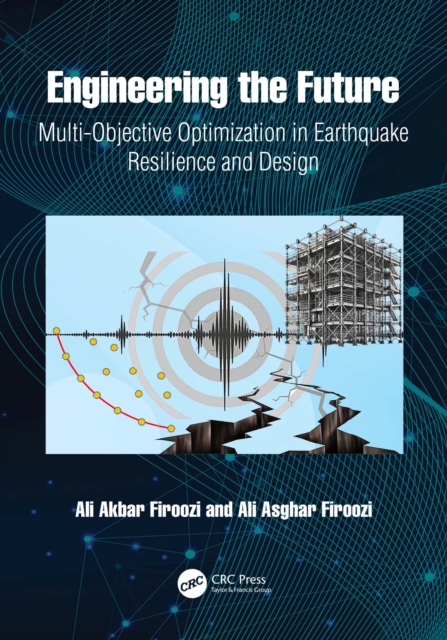
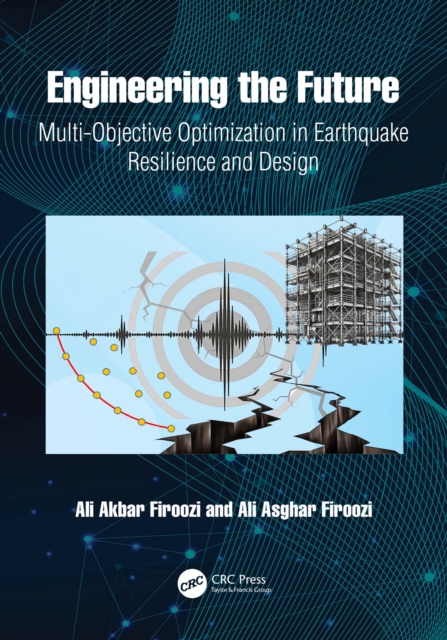
Engineering the Future: Multi-Objective Optimization in Earthquake Resilience and Design develops a rigorous, decision-oriented treatment of performance-based earthquake engineering (PBEE) by placing multi-objective optimization (MOO) at the centre of modern seismic design and risk management.
Engineering the Future: Multi-Objective Optimization in Earthquake Resilience and Design develops a rigorous, decision-oriented treatment of performance-based earthquake engineering (PBEE) by placing multi-objective optimization (MOO) at the centre of modern seismic design and risk management.