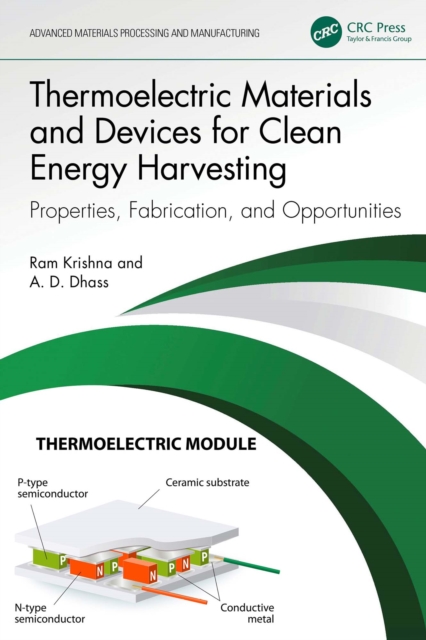
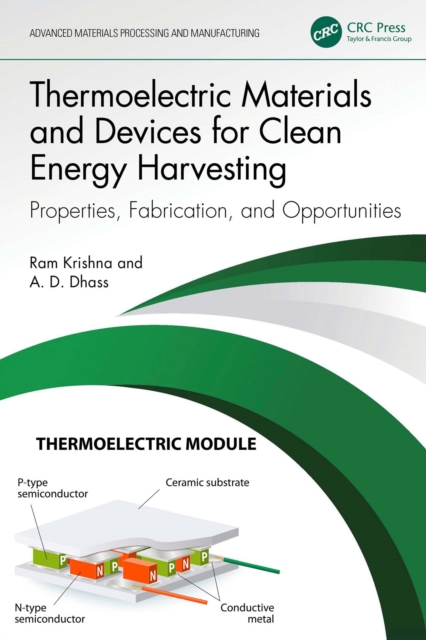
This book is designed to demonstrate the need for thermoelectric energy materials including non-conventional materials for heating and cooling applications in thermoelectric energy-efficient devices.
This book is designed to demonstrate the need for thermoelectric energy materials including non-conventional materials for heating and cooling applications in thermoelectric energy-efficient devices.
Biocomposites and the Circular Economy provides up-to-date research results and insights from a multidisciplinary group of researchers across the globe.
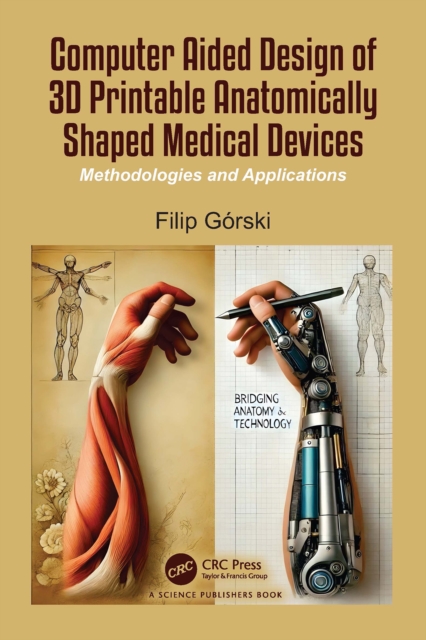
"e;Computer Aided Design of 3D Printable Anatomically Shaped Medical Devices: Methodologies and Applications"e; presents a comprehensive framework for designing 3D printable medical devices tailored to individual anatomies.
The Elements of Polymer Science and Engineering, Fourth Edition updates on the field of polymers, which has advanced considerably since the book's last publication.
There is an urgent need to develop robust strategies to respond to and leverage new and emerging technologies, particularly those based on artificial intelligence (AI).
Metal Cutting Mechanics outlines the fundamentals of metal cutting analysis, reducing the extent of empirical approaches to the problems as well as bridging the gap between design and manufacture.
"e;Presents the most recent developments in the materials, properties, and performance characteristics of photographic, electrophotographic, electrostatic, diazo, and ink jet imaging processes.
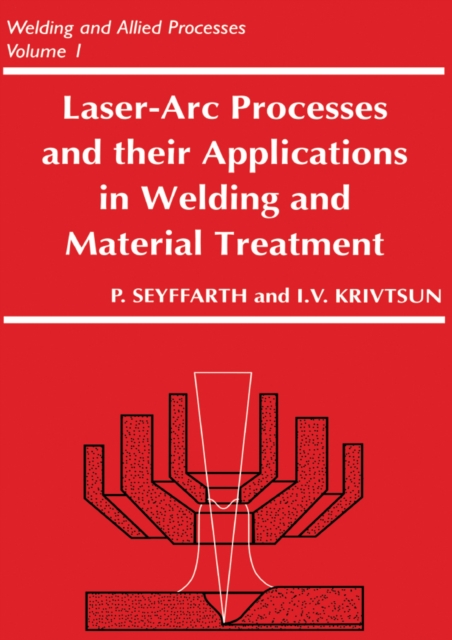
Laser-Arc Processes and Their Applications in Welding and Material Treatment presents a comprehensive and timely overview of laser-arc processes for material joining and treatment, which is a current and developing research area.
Aliphatic Alkylation in Petroleum Refining provides a fundamental understanding on the alkylation process, from molecular-level interfacial properties to macroscopic industry plants.
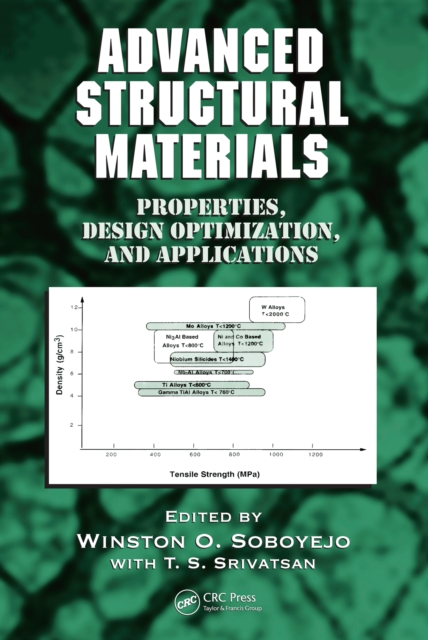
A snapshot of the central ideas used to control fracture properties of engineered structural metallic materials, Advanced Structural Materials: Properties, Design Optimization, and Applications illustrates the critical role that advanced structural metallic materials play in aerospace, biomedical, automotive, sporting goods, and other indust
Aliphatic Alkylation in Petroleum Refining provides a fundamental understanding on the alkylation process, from molecular-level interfacial properties to macroscopic industry plants.
A comprehensive treatise on the hot working of aluminum and its alloys, Hot Deformation and Processing of Aluminum Alloys details the possible microstructural developments that can occur with hot deformation of various alloys, as well as the kind of mechanical properties that can be anticipated.
In an era of profound environmental and geopolitical uncertainty, Designing through Planetary Breakdown offers fresh perspectives on design's evolving role in the face of planetary change.
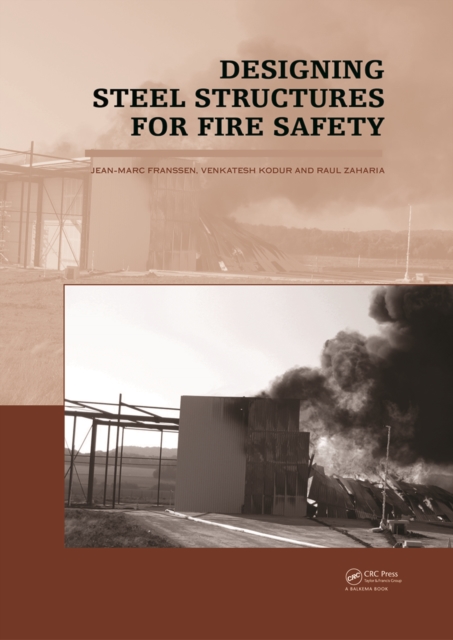
Structural design in fire conditions is conceptually similar to structural design in normal temperature conditions, but often more difficult because of internal forces induced by thermal expansion, strength reduction due to elevated temperatures, much larger deflections, and numerous other factors.
Introduces Emerging Engineering MaterialsMechanical, materials, and production engineering students can greatly benefit from Engineering Materials: Research, Applications and Advances.
This book combines Von Moody's original work and research in the carpet industry with the well respected 1986 textile source book, Textile Fibers, Dyes, Finishes, and Processes: A Concise Guide, by Howard L.
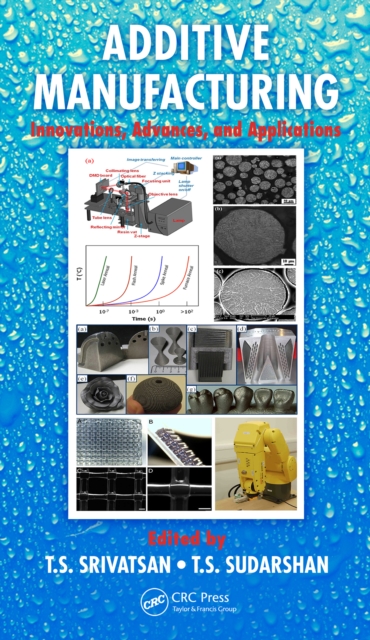
Get Ready for the Future of Additive ManufacturingAdditive Manufacturing: Innovations, Advances, and Applications explores the emerging field of additive manufacturing (AM)-the use of 3D printing to make prototype parts on demand.
This book examines a significant moment in fashion's evolution when technological innovations are inspiring designers, brands and consumers to think beyond conventional clothing in the real world and to forge fresh relationships with digital garments within 3-D virtual spaces.
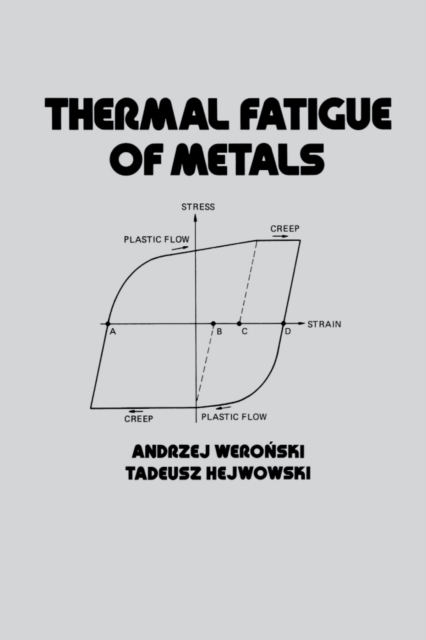
Using a mold for centrifugal casting as an example, discusses the types of apparatus and tools that are commonly affected by thermal fatigue during industrial processes, and examines the various factors that lead to such failure.
4D Printing of Composites: Methods and Applications provides comprehensive coverage of the theory behind this emerging technology, its impact on materials development, functional characterization, and the technical details required for readers to investigate novel emerging applications.
This book is a record of the conference entitled Materials Science and Engineering: Its Nucleation and Growth held at Imperial College on 14 and 15 May 2001 as one of the events held to mark the 150th Anniversary of the founding of the Royal School of Mines (RSM).
Smooth Topological Design of Continuum Structures focuses on the use of a newly-proposed topology algorithm for structural optimization called Smooth-Edged Material Distribution for Optimizing Topology (SEMDOT).
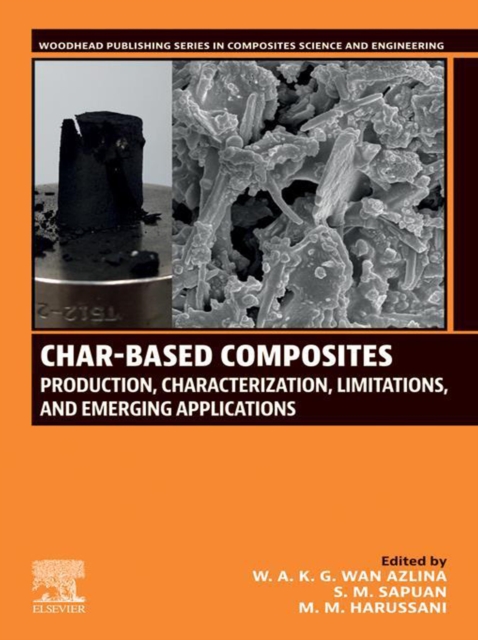
Char-based Composites: Production, Characterization, Limitations and Emerging Applications provides the reader with a wide spectrum of information on char and biochar-based composites.
Lean Manufacturing, the production method first popularized by Toyota, has often been reduced to charts and tools by many US manufactures -- they've abandoned the original intent of the methodology.
Optimization for advanced manufacturing processes in fabrication is becoming increasingly important around the world across a range of industries because of its improved productivity, capabilities, efficacy, and sustainability characteristics.
Non-halogenated Flame-Retardant Technology for Epoxy Resins, Thermosets and Composites provides a comprehensive and up-to-date review of the latest advances and technological developments in this field.
The formability features of sheets made of the alloy Al 8011 are examined experimentally and the results are compared with the numerical ones in this research.
The concept of sustainable development was described in the United Nations 1987 Bruntland Commission Report as a development that meets the needs of the present without compromising the ability of future generations to meet their own needs.
In Using Hoshin Kanri to Improve the Value Stream, leading lean and quality expert Elizabeth Cudney constructs a complete how-to guide that any organization can employ to start a Lean effort correctly and keep it on track.
Process Implementation Through 5S: Laying the Foundation for Lean explains how to implement standardized work and visual controls through Plan Do Check Adjust (PDCA).