The Scientific Group Thermodata Europe (SGTE) is a consortium involved in the development and application of thermodynamic databanks for materials such as metals.
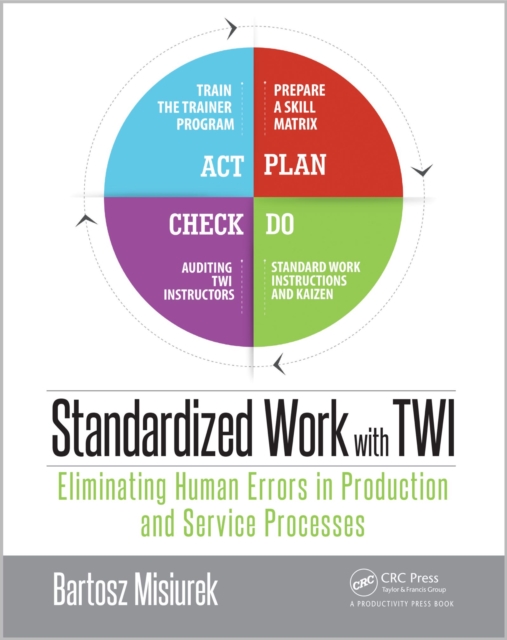
This book presents what the training within industry (TWI) program is and how its presence affects the understanding of work standardization, focusing on the practical aspects of the implementation of work standardization in the elimination of human errors in manufacturing and service processes.
One of two self-contained volumes belonging to the newly revised Steel Heat Treatment Handbook, Second Edition, this book focuses on process design, equipment, and testing used in steel heat treatment.
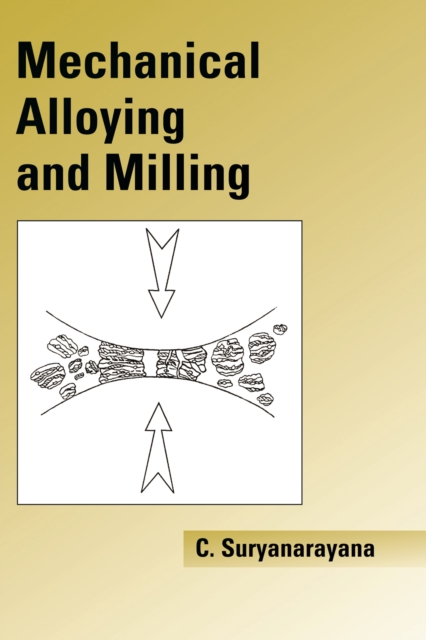
This book surveys the broad field of mechanical alloying from a scientific and technological perspective to form a timely and comprehensive resource valuable to both students and researchers.
The goal of Lean is to identify and eliminate nonessential and non-value-adding steps in business processes to streamline operations, improve quality, and gain customer loyalty.
As transportation systems for land, air, and space vehicles continue to grow increasingly sophisticated, more advanced materials are needed to support their development and commercialization.
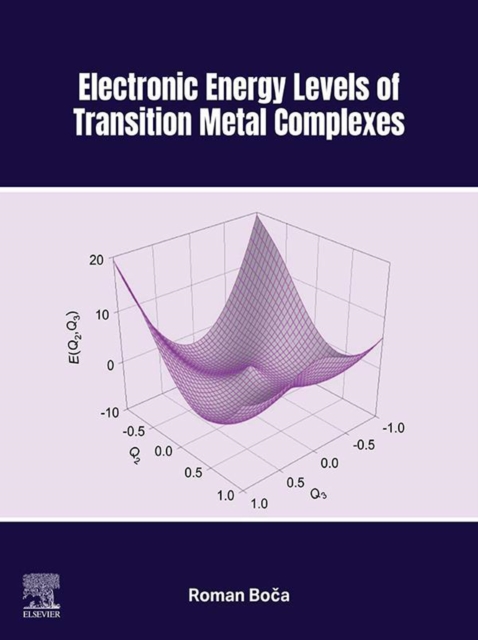
Electronic Energy Levels of Transition Metal Complexes guides the reader to understand how to comprehensively calculate (predict, reconstruct) electronic energy levels of separation between 0,1 to 30,000 cm-1 in d1 to d9 transition metal complexes.
Electronic Energy Levels of Transition Metal Complexes guides the reader to understand how to comprehensively calculate (predict, reconstruct) electronic energy levels of separation between 0,1 to 30,000 cm-1 in d1 to d9 transition metal complexes.
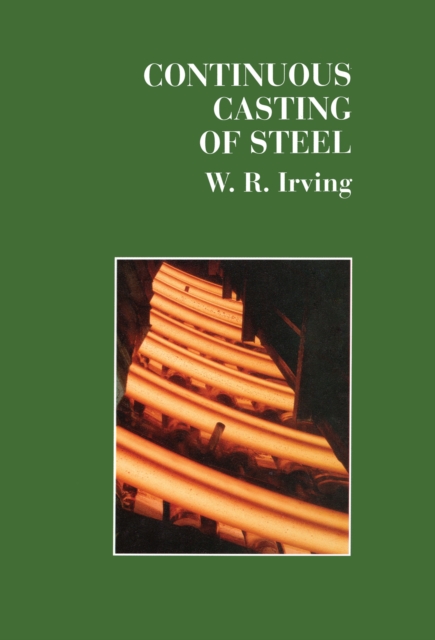
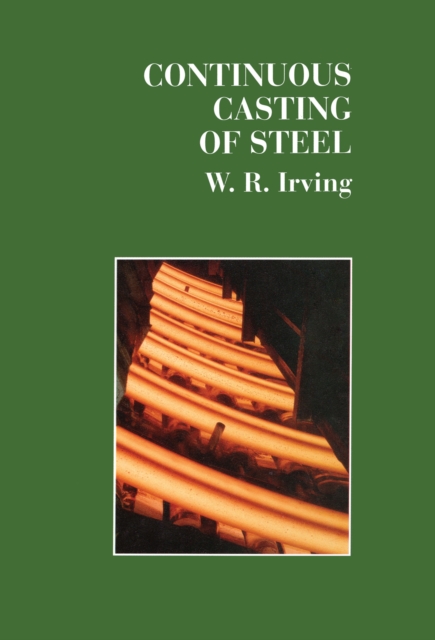
This monograph on the continuous casting of steel has been produced at the request of the Institute of Materials with the aim of providing university professionals and students, those already working in the steel industry and steel plant suppliers in related activities, with a concise account of the engineering, process and product technology of the continuous casting of steel and how this has been developed over recent years.
Steel Informatics aims to review the application of data-driven computing techniques related to the design of steel, including phase transformation, composition-process-property correlation, and different processing techniques, particularly deformation and joining.
Contains the papers presented at the fourth International Seminar "e;Numerical Analysis of Weldability"e; held in September 1997 at Schloss Seggau near Graz, Austria.
This is a comprehensive introduction with some emphasis of the fundamentals of the different processing steps, but, and pays attention also to the main powder metallurgy products including their applications.
3D Printing and Microfluidics in Dermatology provides a thorough exploration and applications of three-dimensional (3D) printing and microfluidics within the field of dermatology.
This small booklet is compilation of abstracts presented at 5th annual symposium on Materials for human space flight held thi syear at Sydney, AUSTRALIA, Cambriidge, Massachusetts and online.
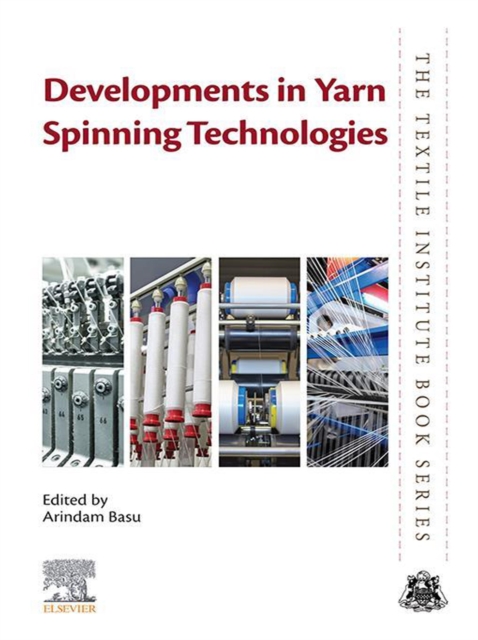
Developments in Yarn Spinning Technologies explores the recent advancements in yarn spinning technologies, focusing on improving production and embracing sustainability.
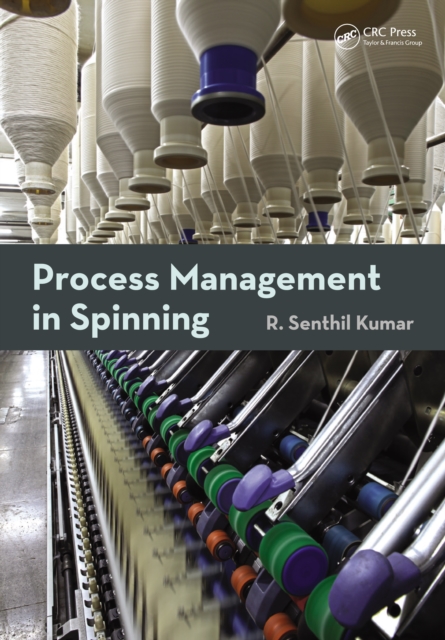
A Straightforward Text Summarizing All Aspects of Process ControlTextile manufacturing is one of the largest industries in the world, second only to agriculture.
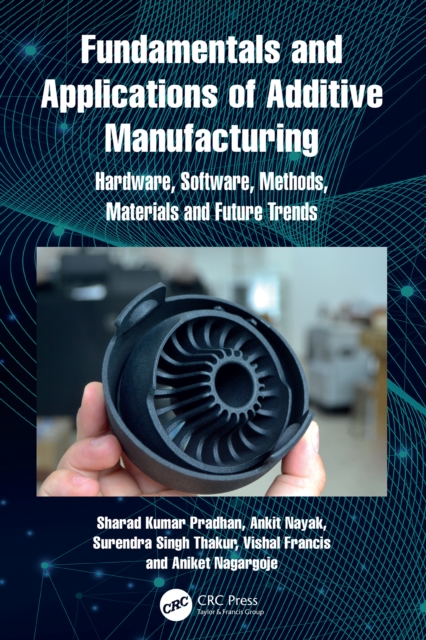
Through nine chapters covering software, hardware, solid-based, liquid-based, and powder-based 3D printing processes, this textbook provides a comprehensive but easy-to-understand and application-oriented guide to the fundamentals and applications of 3D printing.
Toyota Production System methods have rendered remarkable results in high-volume manufacturing plants, but they have not been fully understood and correctly applied in high-mix, low-volume environments.
The Laser Manufacturing Process is a comprehensive guide to industrial laser processes, offering insights into their fundamentals, applications across industries, production specifics, and characteristics, including mechanical, metallurgical, and geometrical aspects, as well as potential defects.
For students ready to advance in their study of metals, Physical Metallurgy, Second Edition uses engaging historical and contemporary examples that relate to the applications of concepts in each chapter.
Nanocomposites for Environmental, Energy and Agricultural Applications presents a comprehensive overview of recent developments and prospects for nanocomposites in sustainable/green energy production, water/wastewater treatment as well as crop production.
Updated to include recent results from intensive worldwide research efforts in materials science, surface science, and corrosion science, Corrosion Mechanisms in Theory and Practice, Third Edition explores the latest advances in corrosion and protection mechanisms.
Considering that the biggest machines that do the most work are made up of smaller machines and components, it becomes obvious that when a large machine breaks, it is normally due to small components acting antagonistically.
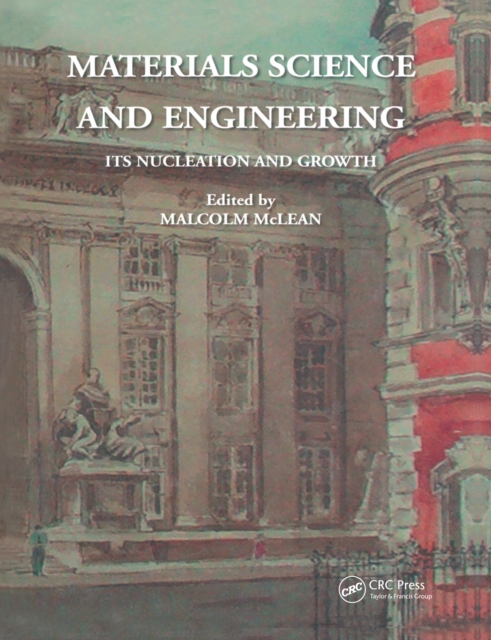
This book is a record of the conference entitled Materials Science and Engineering: Its Nucleation and Growth held at Imperial College on 14 and 15 May 2001 as one of the events held to mark the 150th Anniversary of the founding of the Royal School of Mines (RSM).
The formability features of sheets made of the alloy Al 8011 are examined experimentally and the results are compared with the numerical ones in this research.
This book provides an overview of the diverse multidisciplinary field of more-than-human design, offering a philosophical grounding of more-than-human design in posthumanism while putting practical design examples and methods to the forefront.
Offering up-to-date information on the uses and composition of the plant, Advances in Hemp Research provides growers, researchers, manufacturers, and suppliers with methods and data for the processing and cultivation of hemp for textile and paper products.
Three-dimensional (3D) printing has evolved as an emerging tool for the design of customized or personalized medication that provides the maximum therapeutic benefits to patients.
This monograph on the continuous casting of steel has been produced at the request of the Institute of Materials with the aim of providing university professionals and students, those already working in the steel industry and steel plant suppliers in related activities, with a concise account of the engineering, process and product technology of the continuous casting of steel and how this has been developed over recent years.
Manufacturing plays a vital role in European economy and society, and is expected to continue as a major generator of wealth in the foreseeable future.