Hi-Gee Chemical Separation Engineering introduces the basic concepts and technical terms of high gravity (hi-gee) separation technology in a systematical way while also analyzing and expounding on the differences between centrifugal separation technology and high gravity separation technology.
Food Packaging and Preservation: Antimicrobial Materials and Technologies provides a scaffolded introduction to principles of biological science (food contamination and their effect on human health) as well as nanomaterials, natural antimicrobials and emerging non-thermal processing methods.
This book presents the results of a comparison of the quality of food products and raw materials, such as vegetables, fruits and honey, produced in organic and conventional farming systems.
Polysaccharides offer unique and valuable functional properties, persisting in technological importance and poised to grow more critical due to sustainability demands and emerging applications in medical and life sciences.
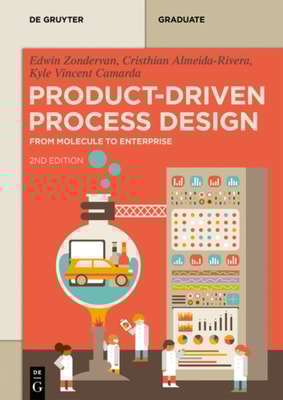
Product-driven process design - from molecule to enterprise provides process engineers and process engineering students with access to a modern and stimulating methodology to process and product design.
Hi-Gee Chemical Separation Engineering introduces the basic concepts and technical terms of high gravity (hi-gee) separation technology in a systematical way while also analyzing and expounding on the differences between centrifugal separation technology and high gravity separation technology.
Modern Approaches in Membrane Technology for Gas Separation and Water Treatment presents condensed information on novel and promising membrane materials.
Sustainable Industrial Processes based on Microalgae addresses the current applications and potential uses of microalgae for processing waste and wastewater streams, along with potential applications of the produced biomass.
The integration of nanotechnology with biomaterials, diagnostic tools, analytical equipment, physiotherapy kits, and drug delivery agents has resulted in nanotherapeutics illustrated as a class of medicine with potential of research and development.
The integration of nanotechnology with biomaterials, diagnostic tools, analytical equipment, physiotherapy kits, and drug delivery agents has resulted in nanotherapeutics illustrated as a class of medicine with potential of research and development.
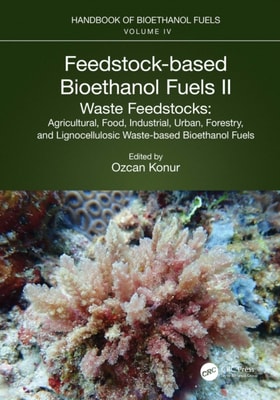
This book provides an overview of research on the production of bioethanol fuels from waste feedstocks such as second-generation residual sugar and starch feedstocks, food waste, industrial waste, urban waste, forestry waste, and lignocellulosic biomass at large with 17 chapters.
This book covers advanced theories and methods in the field of heat and mass transfer, which are expected to improve thermal systems performance and energy efficiency.
Pinch Technology explains the principles of process integration, the use of pinch technology as well as energy recycling in oil, gas, petrochemical and industrial processes.
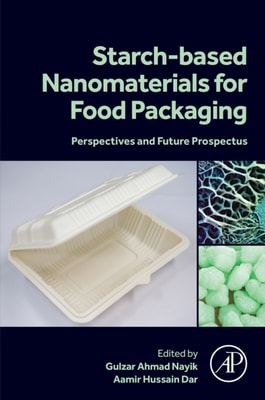
Starch-Based Nanomaterials for Food Packaging: Perspectives and Future Prospectus presents the properties and sources of starch- based nanomaterials, new perspectives, safety aspects, applications and future trends.
Spray Drying for the Food Industry, in the Unit Operations and Processing Equipment in the Food Industry series, explains the fundamental and applied research in all aspects of spray drying from engineering to technology.
The Science of Human Milk offers readily understandable, scientifically sound information related to the compositional features of human milk at different stages of lactation.
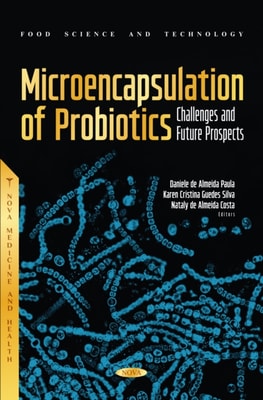
The book "e;Microencapsulation of Probiotics: Challenges and Future Prospects"e; addresses a current and extensively researched topic by discussing the potential of incorporating encapsulated probiotics into food to achieve numerous health benefits.
The growing demand of energy accounting in industries is the main challenge for academics and engineers working in chemical processing plants, food industries, and the energy sector.
This book uses a quantitative science-based approach to explain where the greenhouse gas (GHG) emissions emitted by the fashion industry are generated and it explores what strategies can be deployed to achieve Net Zero by 2050.
The growing demand of energy accounting in industries is the main challenge for academics and engineers working in chemical processing plants, food industries, and the energy sector.
Starch-Based Nanomaterials for Food Packaging: Perspectives and Future Prospectus presents the properties and sources of starch- based nanomaterials, new perspectives, safety aspects, applications and future trends.
Libro especializado que se ajusta al desarrollo de la cualificación profesional y adquisición del certificado de profesionalidad "MAMD0209 - TRABAJOS DE CARPINTERÍA Y MUEBLE".
This book provides an overview of research on the production of bioethanol fuels from waste feedstocks such as second-generation residual sugar and starch feedstocks, food waste, industrial waste, urban waste, forestry waste, and lignocellulosic biomass at large with 17 chapters.
This book provides the fundamental underlying mathematical theory, numerical algorithms and effi cient computational tools for the solution of multi-level mixedinteger optimization problems.
Fitting and Pattern Alteration: A Multi-Method Approach to the Art of Style Selection, Fitting, and Alteration, Fourth Edition, shows readers how to recognize, evaluate, and correct fit for a variety of body types, sizes.
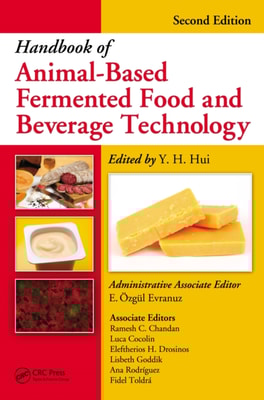
Fermented food can be produced with inexpensive ingredients and simple techniques and makes a significant contribution to the human diet, especially in rural households and village communities worldwide.
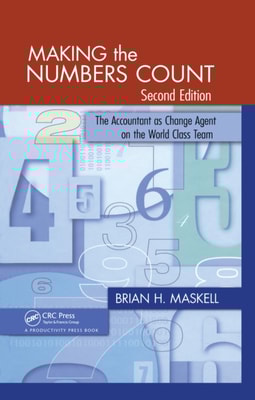
The first edition of Brian Maskell's now classic work proved that when given the chance, accountants would prefer not to serve out their working days as number crunching automatons.
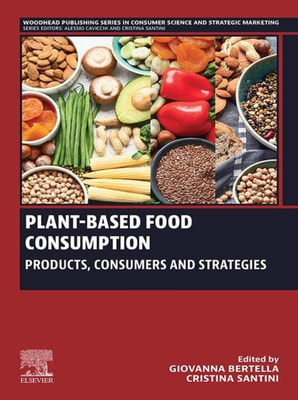
Plant-Based Food Consumption: Product, Consumers and Strategies explores the phenomenon of plant-based food consumption, specifically that which follows flexitarian, reducetarian, vegetarian and vegan diets.
Valorization of Wastes/By-Products in the Design of Functional Foods/Supplements, Volume 106 provides up-to-date information on the valorization and application of by-products/wastes from fruit, vegetable, oil, cocoa, tea, coffee, nuts, seeds, cereals, legumes, citrus and animal-based products.
Revolution in the Seas: Ending Overfishing and Building Pesco-ecology, Sustainable Agro-Ecology of Fishing provides an in-depth analysis of the dynamics between humans and disrupting marine ecosystems by extracting its wild animals.
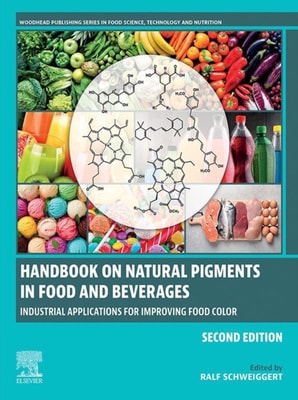
Handbook on Natural Pigments in Food and Beverages: Industrial Applications for Improving Color, Second Edition focuses on a color solution for a specific commodity, providing food scientists with a one-stop, comprehensive reference on how to improve the color of a particular food product.
Strategies to Improve the Quality of Foods, Volume One in the Developments in Food Quality and Safety series explores salt, sugar and fat reduction, while also discussing natural alternatives and nitrate and nitrate salts.
This volume emphasizes techniques of optimal transport statistics, but it also describes and uses other econometric techniques, ranging from more traditional statistical techniques to more innovative ones such as quantiles (in particular, multidimensional quantiles), maximum entropy approach, and machine learning.