Edited and authored by world experts, this book covers the newest areas of research into cheese manufacture and engineering, as well as the latest developments concerning properties and structure.
Edited and authored by world experts, this book covers the newest areas of research into cheese manufacture and engineering, as well as the latest developments concerning properties and structure.
Lightweight and Sustainable Composites Materials: Preparation, Properties and Applications focuses on the synthesis, processing and characterization of these materials, their environmental sustainability features, compatibility with composites and their broad range of commercial and industrial application fields.
Spices are obtained from natural sources, especially from plants, and are used in cooking food in whole or grounded forms mainly for imparting flavor, aroma, and piquancy.
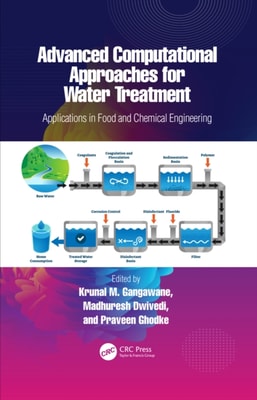
A rapid growth in global industrialization and population has triggered intense environmental pollution that has led to a water crisis, resulting in the decay in the quality of human life and economic losses.
This book contains selected papers from the conference CASICAM'22, presenting the latest advancements and discoveries in Additive Manufacturing (AM) technology.
This work addresses the multiple possibilities for using cinnamon for applications in food science technology and to help in the complimentary treatment and prevention of diseases, with priority given to secondary metabolites produced by this plant.
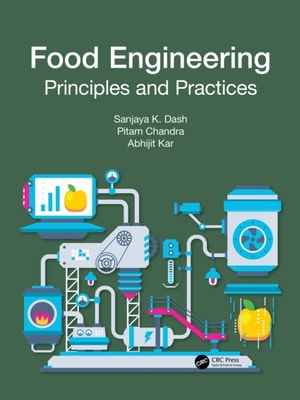
This textbook is designed for a one-semester course on Food Engineering, and it offers a concise, in-depth and integrated introduction to the fundamental engineering and physicochemical principles and practices of utility in food processing and manufacturing operations.
Oil and Gas Well Cementing for Engineers Practical approach covering the chemistry, processes, and modeling in the field of cementing engineering Oil and Gas Well Cementing for Engineers is a comprehensive and reader-friendly book that delves into the chemistry, processes, and modeling involved in cementing engineering in the oil and gas industry.
This book offers a thorough introduction to the basics and scientific and technological innovations involved in the modern study of reinforcement-learning-based feedback control.
Manganese Mining Microorganisms covers the latest amalgamation of the diversity of Mn biomining microorganisms, their biosolubilization mechanisms, and their role in natural manganese biogeochemical cycling.
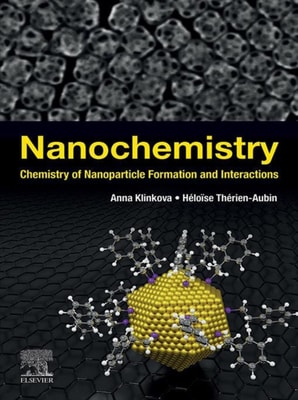
Nanochemistry: Chemistry of Nanoparticle Formation and Interactions provides an overview of the chemistry aspects of nanoparticle science, including nanoparticle synthesis, chemical properties, stability, applications and self-assembly behavior.
This edited book focuses on agricultural and food waste biomass valorization in various fields such as energy and environment and the development of several other value-added products.
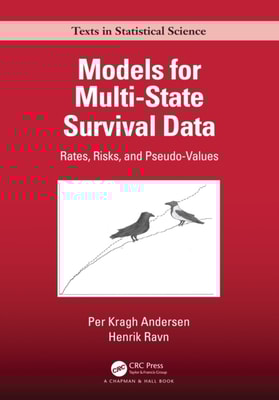
Multi-state models provide a statistical framework for studying longitudinal data on subjects when focus is on the occurrence of events that the subjects may experience over time.
Multi-state models provide a statistical framework for studying longitudinal data on subjects when focus is on the occurrence of events that the subjects may experience over time.
This new book discusses plant-derived bioactive compounds, covering their sources, biological effects, health benefits, and potential prevention and treatment properties for multifactorial diseases.
This new book discusses plant-derived bioactive compounds, covering their sources, biological effects, health benefits, and potential prevention and treatment properties for multifactorial diseases.
This book offers an overview of the science of cosmetics and the formulation of nanosized cosmetic products including fabrication, characterization of nanocosmetics, major challenges in the safe applications, regulatory aspects, and commercialization on a large scale.
Using classic thermodynamic principles as the point of departure, this new edition of a popular resource supplies the understanding and tools required to measure process ef ciency and sustainability with much improved accuracy.
Students entering the food processing stream need to acquire knowledge of concepts and analytical skills together with the knowledge of their applications.
This book offers an overview of the science of cosmetics and the formulation of nanosized cosmetic products including fabrication, characterization of nanocosmetics, major challenges in the safe applications, regulatory aspects, and commercialization on a large scale.
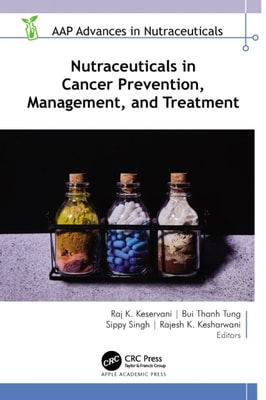
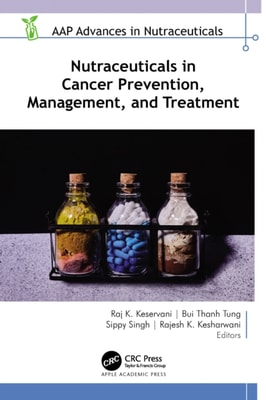
With chapters written by highly skilled and experienced scientists and researchers, this book provides valuable information on specific nutraceuticals that offer benefits in the prevention, management, and treatment of cancer.
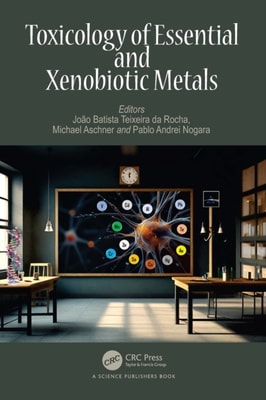
This book explores how metals like cadmium, mercury, lead, aluminium, manganese, and chromium can harm our health, whether through short-term or long-term exposure.
With chapters written by highly skilled and experienced scientists and researchers, this book provides valuable information on specific nutraceuticals that offer benefits in the prevention, management, and treatment of cancer.
Students entering the food processing stream need to acquire knowledge of concepts and analytical skills together with the knowledge of their applications.
The unique volume, COVID-19 and Immunomodulation with Special Emphasis on Nutraceutical and Herbal Formulation, covers recent advances in the management, prevention, and application of nutraceuticals and herbs in preventing and treating COVID-19.
The unique volume, COVID-19 and Immunomodulation with Special Emphasis on Nutraceutical and Herbal Formulation, covers recent advances in the management, prevention, and application of nutraceuticals and herbs in preventing and treating COVID-19.
Polymer-Carbonaceous Filler Based Composites for Wastewater Treatment serves as the first book to offer a concise treatment of the use of these materials in the treatment of wastewater.
Drug repurposing is defined as identifying new pharmacological indications from old, existing, failed, investigational, already marketed, or FDA-approved drugs and prodrugs, and applying these new uses in the treatment of diseases other than the drug's original intended therapeutic use.
Manganese Mining Microorganisms covers the latest amalgamation of the diversity of Mn biomining microorganisms, their biosolubilization mechanisms, and their role in natural manganese biogeochemical cycling.
Polymer-Carbonaceous Filler Based Composites for Wastewater Treatment serves as the first book to offer a concise treatment of the use of these materials in the treatment of wastewater.
Nanochemistry: Chemistry of Nanoparticle Formation and Interactions provides an overview of the chemistry aspects of nanoparticle science, including nanoparticle synthesis, chemical properties, stability, applications and self-assembly behavior.
Cellulose: Development, Processing, and Applications covers topics related to advanced cellulose development and processing, as well as the utilization of major agricultural and biomass waste.
Cellulose: Development, Processing, and Applications covers topics related to advanced cellulose development and processing, as well as the utilization of major agricultural and biomass waste.
Handbook for Process Safety in Laboratories and Pilot Plants Effectively manage physical and chemical risks in your laboratory or pilot plant In Handbook for Process Safety in Laboratories and Pilot Plants: A Risk-based Approach, the Center for Chemical Process Safety delivers a comprehensive and authoritative presentation of process safety procedures and methods for use in laboratories and pilot plants (LAPPs).
This edited book focuses on agricultural and food waste biomass valorization in various fields such as energy and environment and the development of several other value-added products.
Natural products are sought after by the food, pharmaceutical and cosmetics industries, and research continues into their potential for new applications.
Colourless glass, deliberately decolorized with manganese or antimony, became prominent between the middle of the 1st century AD and the beginning of the 4th century.
A lively introduction to the world of home brewing and a how-to guide that combines theory with best practices-from a former award-winning craft brewer.