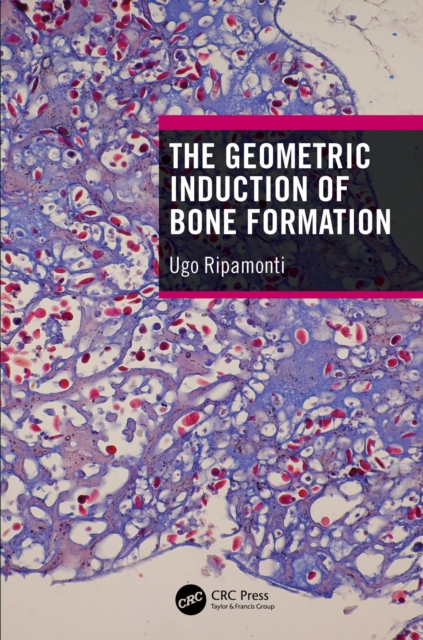
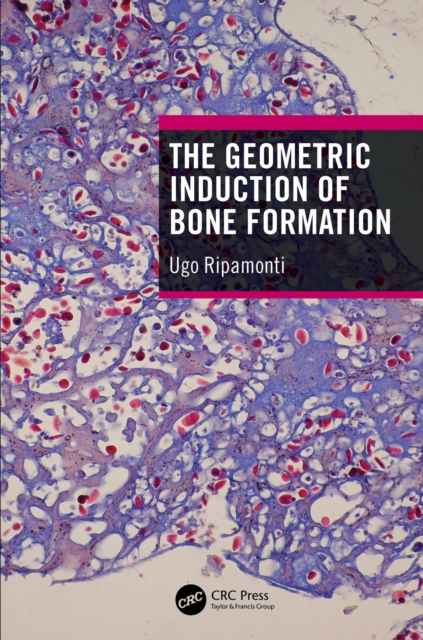
The Geometric Induction of Bone Formation describes new biomimetic biomaterials that offer mechanistic osteogenic surfaces for the autonomous and spontaneous induction of bone formation without the addition of osteogenic soluble molecular signals of the transforming growth factor- supergene family.
The Geometric Induction of Bone Formation describes new biomimetic biomaterials that offer mechanistic osteogenic surfaces for the autonomous and spontaneous induction of bone formation without the addition of osteogenic soluble molecular signals of the transforming growth factor- supergene family.
Success or failure of biomaterials, whether tissue engineered constructs, joint and dental implants, vascular grafts, or heart valves, depends on molecular-level events that determine subsequent responses of cells and tissues.
This book presents a multidisciplinary assessment of the state of science in the use of systemic delivery technologies to deliver anti-aging therapeutics now under development.
Calcium phosphate coatings ( 50 mm thick), especially those made with hyd- xyapatite (HA), produced by the plasma-spraying process have been succe- fully used on orthopedic and dental implants to improve fixation of these implants in bone.
BioNanoFluidic MEMS explains biosensor development fundamentals and initiates an awareness in engineers and scientists who would like to develop and implement novel biosensors for agriculture, biomedicine, home land security, environmental needs, and disease identification.
Bioceramics: Properties, Characterization, and Applications will be a general introduction to the uses of ceramics and glasses in the human body for the purposes of aiding, healing, correcting deformities, and restoring lost function.
Introductory Biomaterials enables undergraduate students in Biomedical, Chemical, Materials and other relevant Engineering disciplines to become familiar with the key concepts of Biomaterials principles: biocompatibility, structure-property-applications relationships, mechanical response of natural tissues, and cellular pathways for tissue-material ingrowth.
Injectable smart hydrogels possess various properties that enable the development of new minimally invasive approaches to avoid problems associated with traditional implants.
Achieving good clinical outcomes with implanted biomaterials depends upon achieving optimal function, both mechanical and biological, which in turn depends upon integrating advances realized in biological science, material science, and tissue engineering.
This book explores the broad and diverse biological and physiological impacts of established and newly discovered cyclic di-nucleotide second messenger signaling systems, while also providing descriptions of the intriguing biochemical characteristics of multiple turnover enzymes and receptors.
This book presents experimental as well as simulation methodologies for analysis and development of nanostructures for introducing the desirable effects through modifications in the basic structure of select nanomaterials.
Nanorobotics and Nanodiagnostics in Integrative Biology and Biomedicine "e;Nanorobotics and nanodiagnostics"e; can be defined as a new generation of biohybrid and nanorobotics that translate fundamental biological principles into engineering design rules, or integrative living components into synthetic structures to create biorobots and nanodiagnotics that perform like natural systems.
This volume delivers a systematic overview of nanotechnology in the development of edible food packaging with noteworthy characteristics for improved food quality.
This book is designed to provide wide understanding of lignin carbon fiber processes, chemistry, mechanisms, and techniques that will help in further development of lignin carbon fiber for automobile, aerospace, marine, and sports equipment applications.
This book presents recent advances in the development of biomaterials for industrial applications, and discusses the potential for substituting environmentally hazardous substances with environmentally friendly and degradable components.
This book examines the potential to deploy low-cost, three-dimensional printers known as RepRaps in developing countries to fabricate surgical instruments and medical supplies to combat the "e;global surgical burden of disease.
This book fills the gap between fundamental and applied research in the use of nanomaterials in biomedical applications, covering the most relevant areas, such as the fundamental concepts of the preparation of nanostructures and regulatory requirements for their safe use in biomedical devices.
Introductory Biomaterials enables undergraduate students in Biomedical, Chemical, Materials and other relevant Engineering disciplines to become familiar with the key concepts of Biomaterials principles: biocompatibility, structure-property-applications relationships, mechanical response of natural tissues, and cellular pathways for tissue-material ingrowth.
Challenges in Mechanics of Time-Dependent Materials, Mechanics of Biological Systems and Materials, and Micro-and Nanomechanics, Volume 2 of the Proceedings of the 2021 SEM Annual Conference & Exposition on Experimental and Applied Mechanics, the second volume of four from the Conference, brings together contributions to this important area of research and engineering.
As the name suggests this book discusses how nanotechnology has influenced the provision of implant treatment from surgery to prosthetic reconstruction and post treatment biological complications.
This book presents the latest knowledge, trends, and advances in cell transplantation and innovations in developing microspheres, 3D biomaterial constructs to enhance transfer, and cell survival to specific regions of the brain.
This book presents the latest knowledge, trends, and advances in cell transplantation and innovations in developing microspheres, 3D biomaterial constructs to enhance transfer, and cell survival to specific regions of the brain.
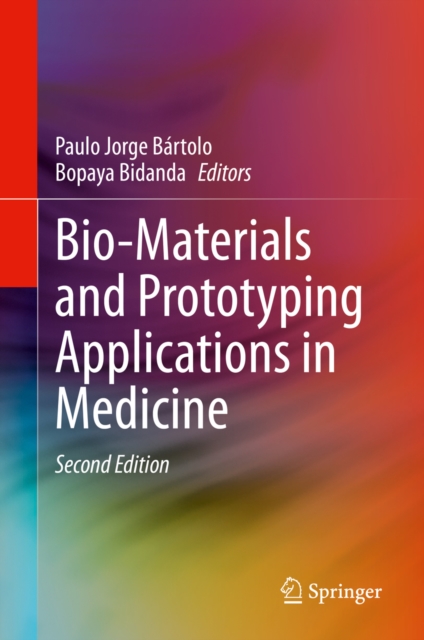
This second edition maintains a focus on integrated biomaterials, computer-aided design, and physical prototyping techniques as examples of the materials and applications that are found in medical environments.
Population genomics is a recently emerged discipline, which aims at understanding how evolutionary processes influence genetic variation across genomes.
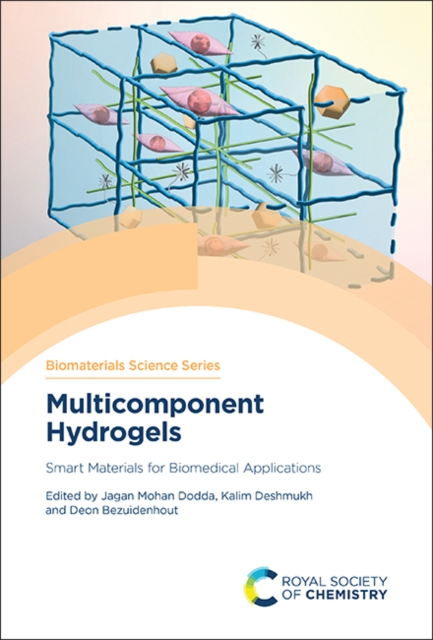
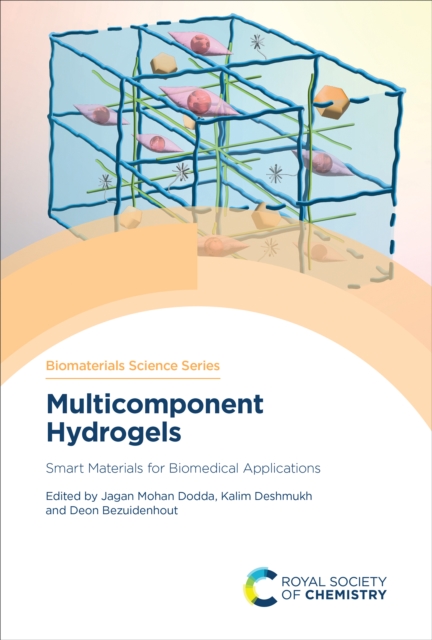
Hydrogels are highly hydrated three dimensional networks with the ability to mimic the extracellular matrix of bodily tissues and have thus found application in a wide range of biomedical applications.
Hydrogels are highly hydrated three dimensional networks with the ability to mimic the extracellular matrix of bodily tissues and have thus found application in a wide range of biomedical applications.