This book reports thermo-mechanical coupling constitutive equations and impact damage distributions of 3-D braided composite materials under impulsive loadings, in multidisciplinary fields among mechanical engineering, textile engineering and impact dynamics.
This book explores recent developments in electrically conducting graphene-containing polymer composites for electromagnetic interference (EMI) shielding and flame-retardant applications.
This book explores recent developments in electrically conducting graphene-containing polymer composites for electromagnetic interference (EMI) shielding and flame-retardant applications.
Viscoelasticity is a complicated theorem that is generally used in several aspects of material characterization and modeling of polymers, resins, fiber-reinforced composites, bituminous composites, etc.
This book includes selected peer reviewed articles presented at the 7th International Conference on Materials Engineering and Nanotechnology 2023 (ICMEN 2023) held on 04-05Nov at Kuala Lumpur in Malaysia.
This book is written by a group of researchers based on the recent research progress in the fiber/matrix interface degradation under various environmental exposures via molecular dynamics simulation.
This book presents the existing photocatalytic reactor design and the future developments and the progress needed for both solar light-driven hydrogen generation and environmental purification.
This book in the advanced structured materials series provides first an introduction to the mircomechanics of fiber-reinforced laminae, which deals with the prediction of the macroscopic mechanical lamina properties based on the mechanical properties of the constituents, i.
This book focuses on methods of how to understand the relationship between the structure and physical properties of polymers from the microscopic point of view on the basis of experimental and theoretical methodologies.
This book introduces in detail the development history, synthesis methods, physicochemical propertiesand the main application in agriculture, hygiene, construction, environmental management, bioscience and more, based on the multiple properties including absorption, flexibility, elasticity, sensitivity, etc.
This book introduces in detail the development history, synthesis methods, physicochemical propertiesand the main application in agriculture, hygiene, construction, environmental management, bioscience and more, based on the multiple properties including absorption, flexibility, elasticity, sensitivity, etc.
This book provides an in-depth understanding of the properties, characterization, and applications of advanced functional and composite materials for energy, electronics, biomedicine, and aerospace fields.
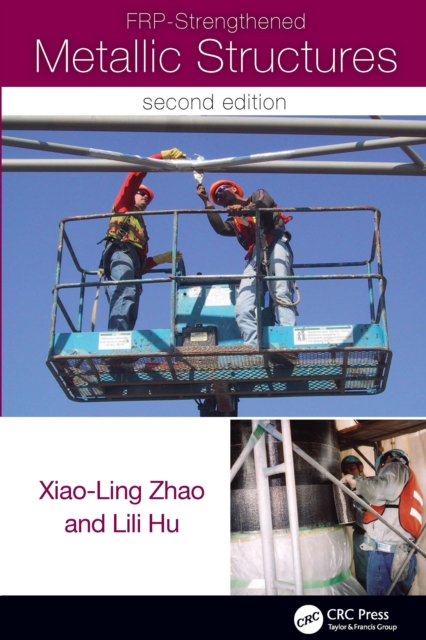
Metallic structures such as bridges, offshore platforms, and mining facilities often need to be retrofitted due to ageing and deterioration, increased loading and change of use.
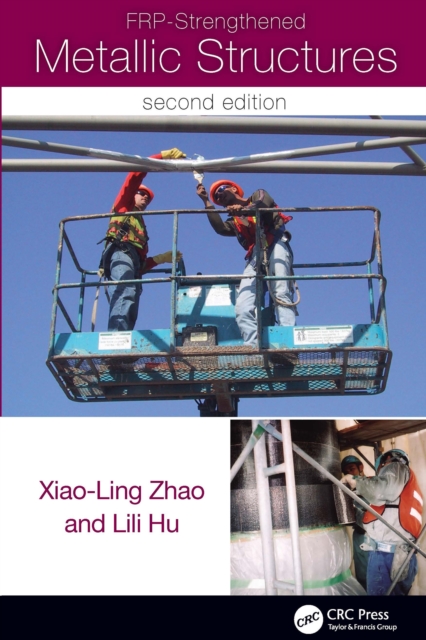
Metallic structures such as bridges, offshore platforms, and mining facilities often need to be retrofitted due to ageing and deterioration, increased loading and change of use.
This book examines bionanocomposites in the biomedical field from a fundamental level to in-depth applications using an interdisciplinary approach that combines polymer technology, nanotechnology, biomedical science, and pharmaceutical research.
Engineered Polyvinyl Pyrrolidone Products by Microwave Techniques: Processing, Characterization, and Applications is an indispensable guide to customizing polyvinyl pyrrolidone (PVP) properties through derivatization using microwave techniques.
This book provides solid, quantitative descriptions and reliable guidelines, reflecting the maturation and demand of the field and the development of biochar-based composites.
This book provides solid, quantitative descriptions and reliable guidelines, reflecting the maturation and demand of the field and the development of biochar-based composites.
This book explores the processing, properties, and applications of Posidonia oceanica, an abundant marine plant found in the Mediterranean Sea, for the production of cellulose and nanocellulose.
This book explores the processing, properties, and applications of Posidonia oceanica, an abundant marine plant found in the Mediterranean Sea, for the production of cellulose and nanocellulose.
This book brings together a collection of groundbreaking research papers, offering an in-depth exploration of the latest developments, methodologies, and future possibilities of natural fiber composites in the dynamic field of materials science and engineering.
This book presents an overview of recent developments in the use of nanomaterials, such as nanocellulose, nanolignin, and nanoclay, in the synthesis of sustainable, bio-based adhesives for manufacturing high-performance, eco-friendly wood-based composites with enhanced properties, close-to-zero formaldehyde emission, and a lower environmental footprint for advanced value-added applications.
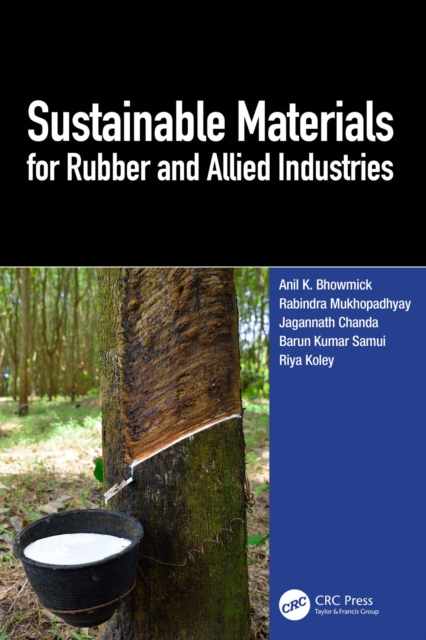
Rubber Materials: Fundamentals, Sustainability, and Applications provides a fresh perspective on the potential of rubber materials in the 21st century when our global society faces unprecedented challenges related to resource consumption, waste management, and environmental impact.
This book presents an overview of recent developments in the use of nanomaterials, such as nanocellulose, nanolignin, and nanoclay, in the synthesis of sustainable, bio-based adhesives for manufacturing high-performance, eco-friendly wood-based composites with enhanced properties, close-to-zero formaldehyde emission, and a lower environmental footprint for advanced value-added applications.
Novel Applications of Functionally Graded Materials offers a thorough understanding of the unique characteristics, characterization techniques, and inventive applications of functionally graded materials (FGMs).
This book offers a comprehensive examination of the latest advancements in mechanical manufacturing technology and material engineering, as presented at the 9th International Conference on Mechanical Manufacturing Technology and Material Engineering (MMTME 2024).
This text provides readers with a comprehensive understanding of the properties, processing techniques, and applications of natural fibre-reinforced PLA composites, enabling them to develop sustainable and high-performance materials for a range of industries.
3D printing is a promising fabrication technique capable of creating objects with precise structures and shapes based on 3D model data, allowing for versatile alterations and production of intricate shapes while also reducing the consumption of feedstock, particularly crucial in the cost-sensitive realm of medicine.
Integrating fundamental research with the technical applications of this rapidly evolving field, Structure and Functional Properties of Colloidal Systems clearly presents the connections between structure and functional aspects in colloid and interface science.
This book provides an overview of the use of various waste materials in pavement construction and their potential impact on sustainable infrastructure development.
Inorganic-Whisker-Reinforced Polymer Composites: Synthesis, Properties and Applications gives a comprehensive presentation of inorganic microcrystalline fibers, or whiskers, a polymer composite filler.
Since synthetic plastics derived from fossil resources are mostly non-biodegradable, many academic and industrial researchers have shifted their attention toward bio-based materials, which are more eco-friendly.
Cellulose Based Hydrogels: Production, Properties and Applications provides detailed information on the properties, characterization techniques, preparation methodologies, applications, and commercial viability of cellulose based hydrogels.