Featuring in-depth discussions on tensile and compressive properties, shear properties, strength, hardness, environmental effects, and creep crack growth, "e;Mechanical Properties of Engineered Materials"e; considers computation of principal stresses and strains, mechanical testing, plasticity in ceramics, metals, intermetallics, and polymers, materials selection for thermal shock resistance, the analysis of failure mechanisms such as fatigue, fracture, and creep, and fatigue life prediction.
Electrospinning for Advanced Energy and Environmental Applications delivers a state-of-the-art overview of the use of electrospun fibers in energy conversion and storage, as well as in environmental sensing and remediation.
Numerical Solutions for Nanocomposite Structures provides an in-depth exploration of structural analysis using numerical methods grounded in rigorous mathematical modeling.
Forming and Machining of Polymers, Ceramics, and Composites targets the two important manufacturing processes where plastic deformation is involved to give the required shape and size to the raw material.
Rubber Compounding: Chemistry and Applications describes the production, processing, and characteristics of a wide range of materials utilized in the modern tire and rubber industry, from natural to butyl rubber, carbon black, silica, silanes, and beyond.
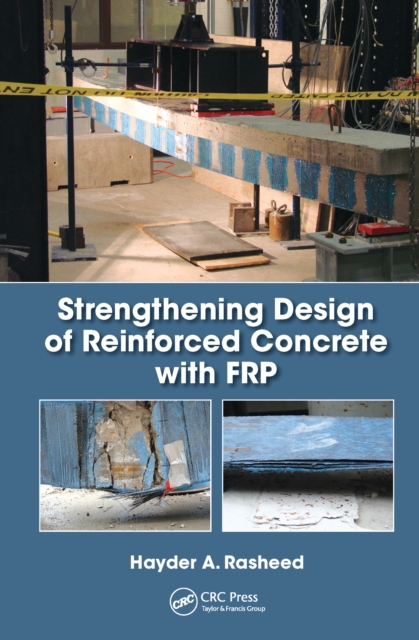
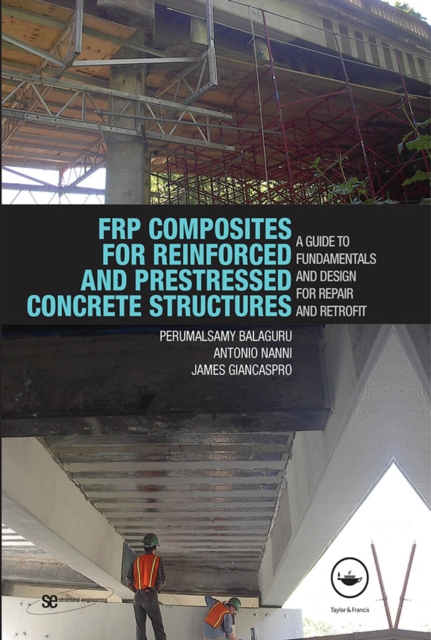
This textbook establishes the art and science of strengthening design of reinforced concrete with FRP beyond the abstract nature of the design guidelines.
This text provides readers with a comprehensive understanding of the properties, processing techniques, and applications of natural fibre-reinforced PLA composites, enabling them to develop sustainable and high-performance materials for a range of industries.
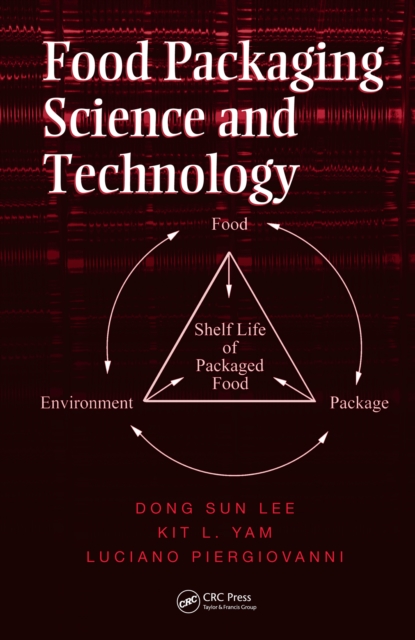
With a wealth of illustrations, examples, discussion questions, and case studies, the Food Packaging Science and Technology covers basic principles and technologies as well as advanced topics such as active, intelligent, and sustainable packaging with unparalleled depth and breadth of scope.
Numerical Solutions for Nanocomposite Structures provides an in-depth exploration of structural analysis using numerical methods grounded in rigorous mathematical modeling.
Forming and Machining of Polymers, Ceramics, and Composites targets the two important manufacturing processes where plastic deformation is involved to give the required shape and size to the raw material.
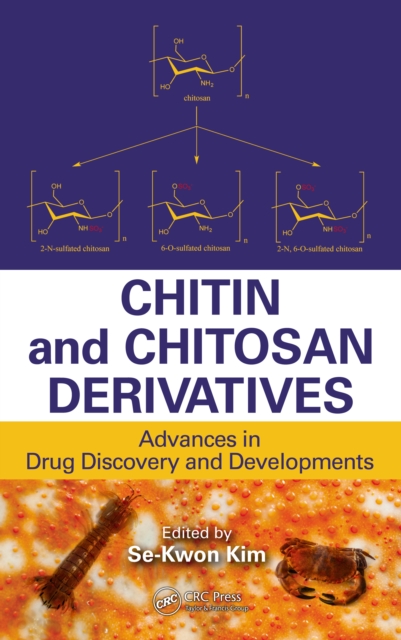
A natural long-chain polymer, chitin is the main component of the cell walls of fungi, the exoskeletons of arthropods (including crustaceans and insects), the radulas of mollusks, and the beaks and internal shells of cephalopods.
This book explains the intricacies of one-way shape memory polymers (SMPs), with a particular emphasis on solvent-responsive SMPs focusing on fundamental pathways and key principles crucial to the development of these materials.
One of Nature's most important talents is evolutionary development of systems capable of molecular recognition: distinguishing one molecule from another.
FROM THE INTRODUCTION"e;Considerable effort has gone into the study of various aspects of flammability and of various plastic materials, so that these materials which are proving so useful to man will always be used in ways which will not compromise his safety.
With their broad range of properties, polymer blends are widely used in adhesion, colloidal stability, the design of composite and biocompatible materials, and other areas.
The conference on 'Substantial Materials Processing and Manufacturing (SMPM)' aims to bring together scientists, researchers, and companies to attend and share their vision, ideas, recent developments as well as advanced scientific and technical knowledge in the field of materials processing and manufacturing.
Admired for their extraordinary stimuli-sensitive behavior and shape-changing capabilities, shape-memory polymers (SMPs) and multifunctional composites are among the most important smart materials.
This book delves into a wide array of polymer topics, covering synthesis methods, processing technologies, performances, advanced characterization, and modeling techniques.
Ceramic-matrix composites (CMCs) possess high specific strength and specific modulus and have already been applied in hot-section components of aeroengines.
Ceramic-matrix composites (CMCs) possess high specific strength and specific modulus and have already been applied in hot-section components of aeroengines.
Natural fibers' abundance, excellent properties, biodegradability, and low cost make this renewable resource a green alternative to synthetic fibers for composite material reinforcement.
Discovered in the twentieth century, carbon nanotubes (CNT) were an integral part of science and industry by the beginning of the twenty first century, revolutionizing chemistry, physics, and materials science.
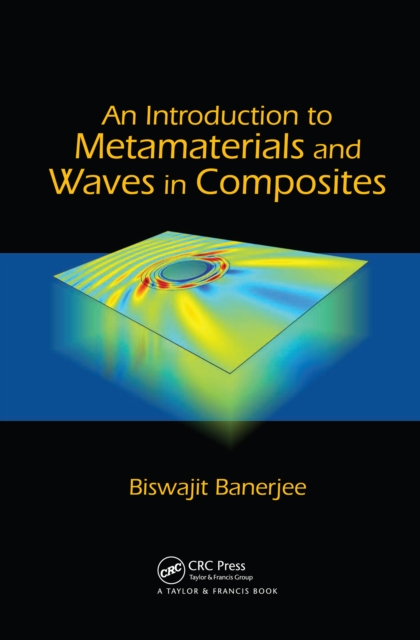
Requiring no advanced knowledge of wave propagation, An Introduction to Metamaterials and Waves in Composites focuses on theoretical aspects of metamaterials, periodic composites, and layered composites.
Spectroscopic Tools and Techniques for Analysis of Dental Materials: Current Trends introduces the dental materials and spectroscopic techniques applied for the analysis of such materials, including ceramic, metallic, polymeric and composites.
Biocomposites for Lightweight Sandwich Structures: Engineering Properties and Applications highlights how the relationship between biocomposites and sandwich structures can provide a unique combination of superior properties that can be optimized for environmentally friendly lightweight applications.
In a carefully crafted, multidisciplinary, skillfully focused format, Polymers for Vascular and Urogenital Applications covers attributes of polymers used for vascular, urological, and gynecological materials.
Realizing that water, energy and food are the three pillars to sustain the growth of human population in the future, this book deals with all the above aspects with particular emphasis on water and energy.
This book presents an extensive survey about the recent developments and advancements in the materials technologies using plant/synthetic/hybrid fibers as woven and non-woven fabrics for polymer composite technologies and versatile industrial applications.
This book presents an extensive survey about the recent developments and advancements in the materials technologies using plant/synthetic/hybrid fibers as woven and non-woven fabrics for polymer composite technologies and versatile industrial applications.
Rubber Materials: Fundamentals, Sustainability, and Applications provides a fresh perspective on the potential of rubber materials in the 21st century when our global society faces unprecedented challenges related to resource consumption, waste management, and environmental impact.
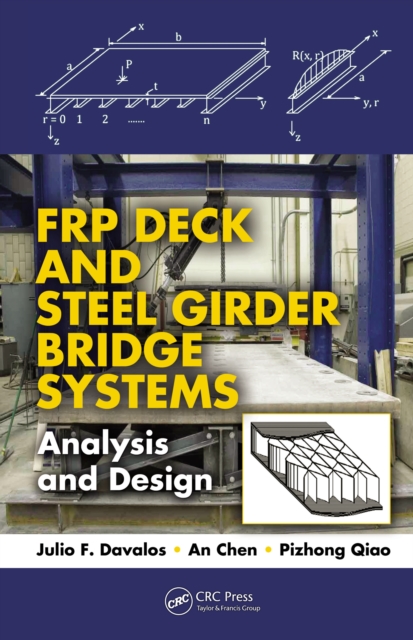
This book presents the analysis and design of fiber-reinforced polymer (FRP) bridge decks, which have been increasingly implemented in rehabilitation projects and new construction due to their reduced weight, lower maintenance costs, and enhanced durability.
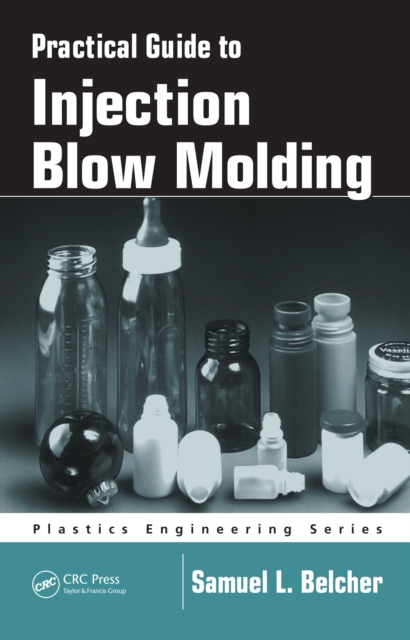
Taking a straight-forward approach, the Practical Guide to Injection Blow Molding explores the entire industry from conception, design, costing, tooling, and machinery, to trouble-shooting, testing, and daily production.
A classic text in the field of chemical engineering, this revised sixth edition offers a comprehensive exploration of polymers at a level geared toward upper-level undergraduates and beginning graduate students.
This book provides a better understanding of the theories associated with finite element models of elastic and viscoelastic response of polymers and polymer composites.