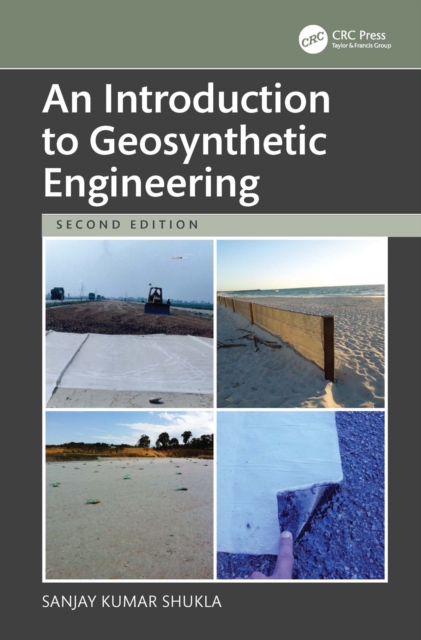
Geosynthetics, primarily made from synthetic polymers, provide efficient, cost-effective, and sustainable solutions for civil, geotechnical, and environmental challenges.
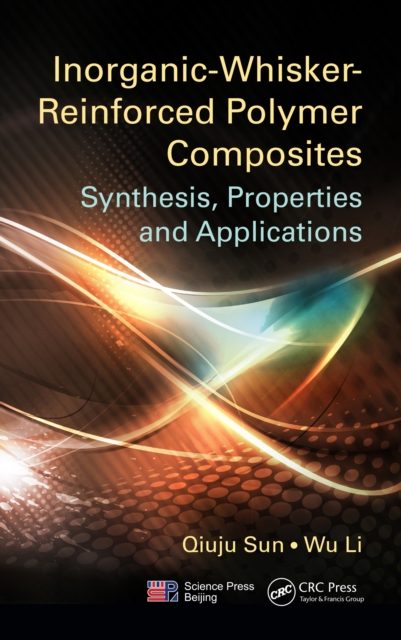
Inorganic-Whisker-Reinforced Polymer Composites: Synthesis, Properties and Applications gives a comprehensive presentation of inorganic microcrystalline fibers, or whiskers, a polymer composite filler.
This book presents the selected papers from the 19th Asian Workshop in Polymer Processing (AWPP 2022) highlighting the latest research breakthroughs in the field of polymeric materials and processing technologies.
This book presents the latest development of fibre/ceramic-polymer composites for biocompatible applications, with a special emphasis on the effect of different types of fibre and ceramic fillers on the characteristics of the composites.
Finite Element Analysis of Polymers and its Composites offers up-to-date and significant findings on the finite element analysis of polymers and its composite materials.
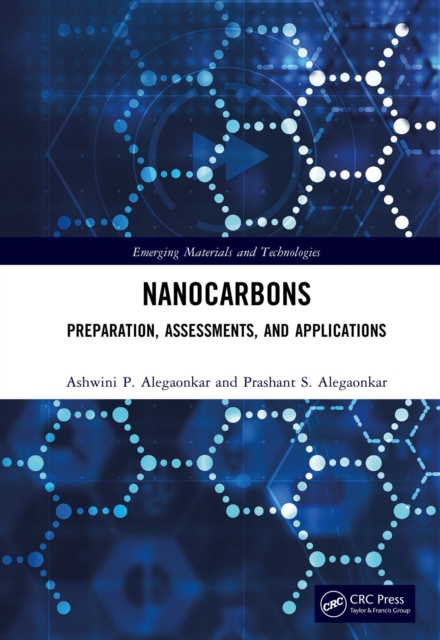
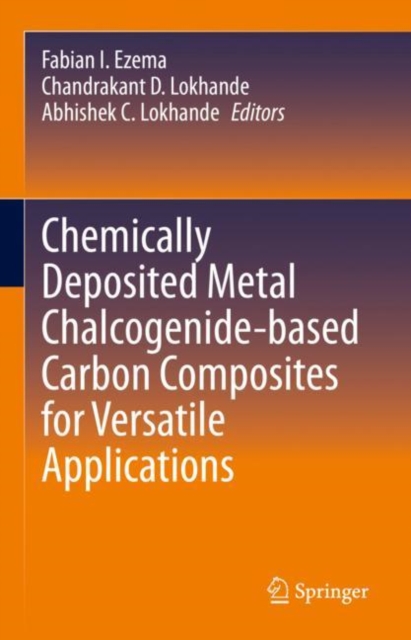
This book provides a practical platform to the readers for facile preparation of various forms of carbon in its nano-format, investigates their structure-property relationship, and finally, realizes them for a variety of applications taking the route of application engineering.
This book provides a practical platform to the readers for facile preparation of various forms of carbon in its nano-format, investigates their structure-property relationship, and finally, realizes them for a variety of applications taking the route of application engineering.
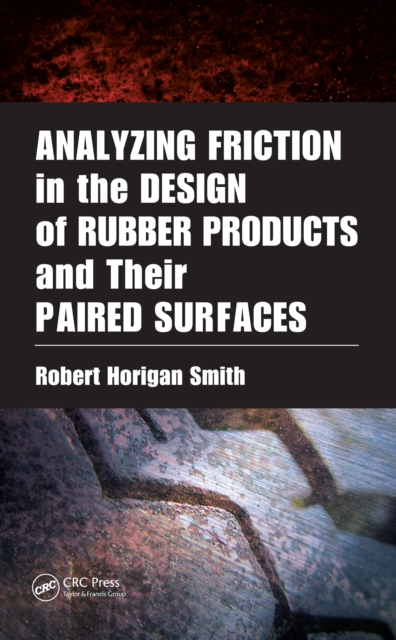
Taking a mechanistic approach that emphasizes the physical behavior of rubber as it slides, Analyzing Friction in the Design of Rubber Products and Their Paired Surfaces integrates the engineering and scientific evidence demonstrating that the laws of metallic friction do not apply to rubber.
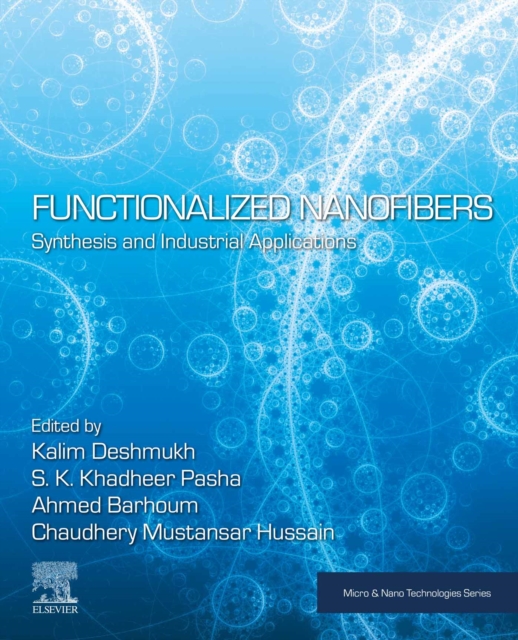
Functionalized Nanofibers: Synthesis and Industrial Applications presents the latest advances in the fabrication, design, processing, and properties of functionalized nanofibers for a range of advanced applications.
Functionalized Nanofibers: Synthesis and Industrial Applications presents the latest advances in the fabrication, design, processing, and properties of functionalized nanofibers for a range of advanced applications.
This 2 volume 4-part set includes extensive discussions of scattering techniques (light, neutron and X-ray) and related fluctuation and grating techniques that are at the forefront of this field.
This book brings together a collection of groundbreaking research papers, offering an in-depth exploration of the latest developments, methodologies, and future possibilities of natural fiber composites in the dynamic field of materials science and engineering.
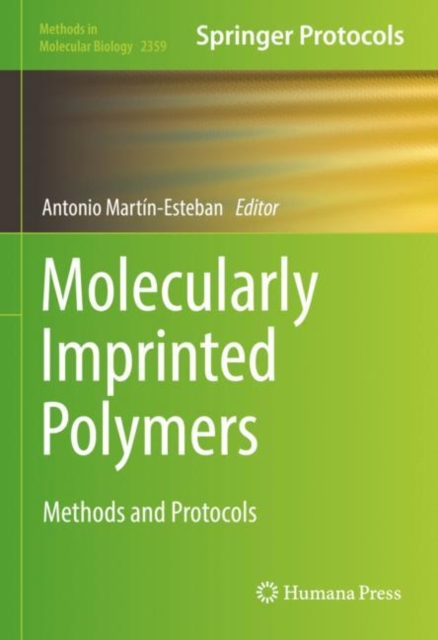
This detailed volume explores molecularly imprinted polymers (MIPs), which have attracted great interest both in fundamental research and for practical applications due to their selective molecular recognition capabilities, extraordinary stability, and ease of preparation.
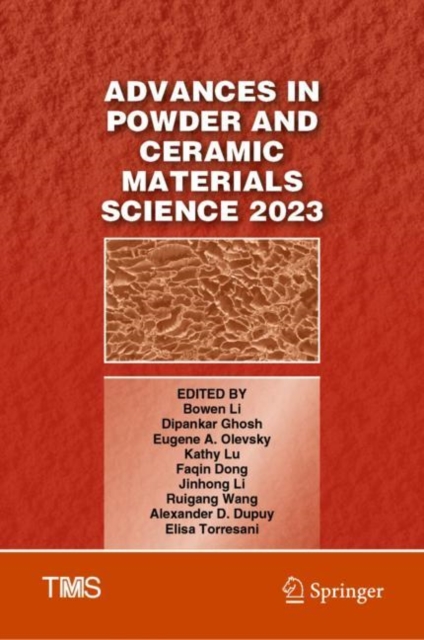
This collection emphasizes the advances of powder and ceramic/glass materials in the fundamental research, technology development, and industrial applications.
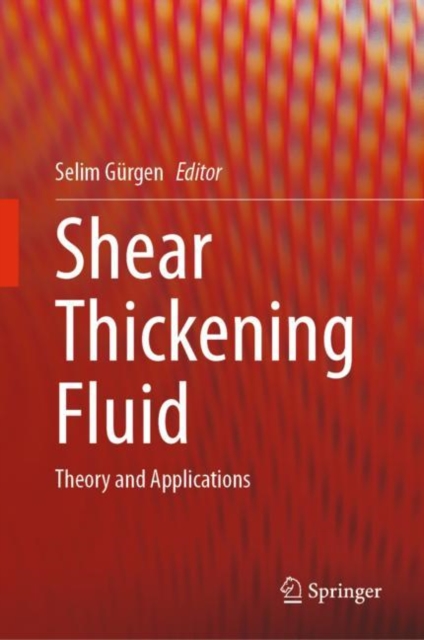
Shear Thickening Fluid: Theory and Applications provides a complete reference on shear thickening fluid (STF) and STF applications for engineers, researchers, and scientists.
This book satisfies the interest and curiosity of beginners in thin film electrode preparations, characterizations, and device making, while providing insight into the area for experts.
Circularity of Plastics: Sustainability, Emerging Materials, and Valorization of Waste Plastic takes an innovative, interdisciplinary approach to circularity and sustainability in plastics, with an emphasis on plastic waste and end-of-life treatment and options for recycling, re-use, valorization and development of biomass-based polymers.
Circularity of Plastics: Sustainability, Emerging Materials, and Valorization of Waste Plastic takes an innovative, interdisciplinary approach to circularity and sustainability in plastics, with an emphasis on plastic waste and end-of-life treatment and options for recycling, re-use, valorization and development of biomass-based polymers.
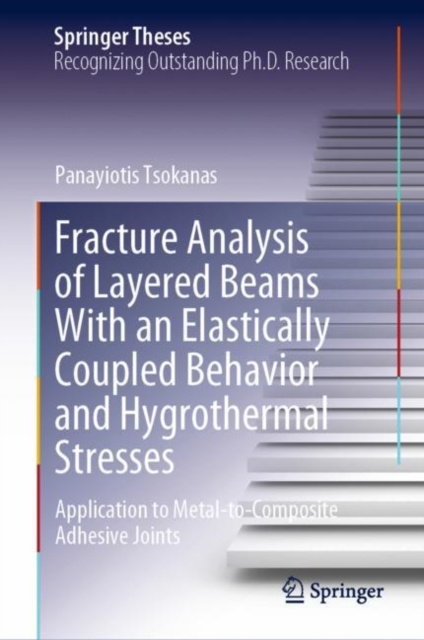
This book presents an analytical framework for calculating the fracture toughness of generally layered beam structures with an elastically coupled response and hygrothermal stresses.
This book presents the select peer-reviewed proceedings of the International Conference on Futuristic Advancements in Materials, Manufacturing and Thermal Sciences (ICFAMMT 2022).
The book Function-oriented bioengineered skin equivalents - continuous development towards complete skin replication aims to provide potential readers with a comprehensive summary of the available information on various in vitro skin models, from historical background to different modeling approaches and their applications.
Structural Design and Optimization of Lifting Self-forming GFRP Elastic Gridshells Based on Machine Learning presents the algorithms of machine learning (ML) that can be used for the structural design and optimization of glass fiber reinforced polymer (GFRP) elastic gridshells, including linear regression, ridge regression, K-nearest neighbors, decision tree, random forest, AdaBoost, XGBoost, artificial neural network, support vector machine (SVM), and six enhanced forms of SVM.