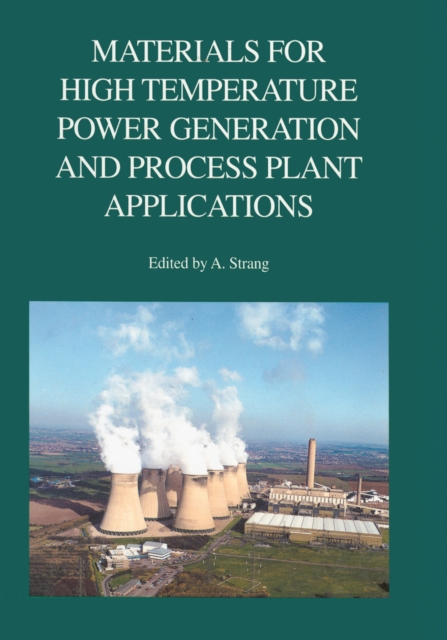
Materials Congress '98- Frontiers in Material Science and Technology, organised by the Institute of Materials was held from the 6 to 8 April 1998 at the Royal Agricultural College, Circencester.
A Study on Next-Generation Materials and Devices proudly presents the proceedings of the International Conference on Next-Generation Materials and Devices (ICNMD, 2024) held from August 01-03, 2024, in Virudhunagar, India.
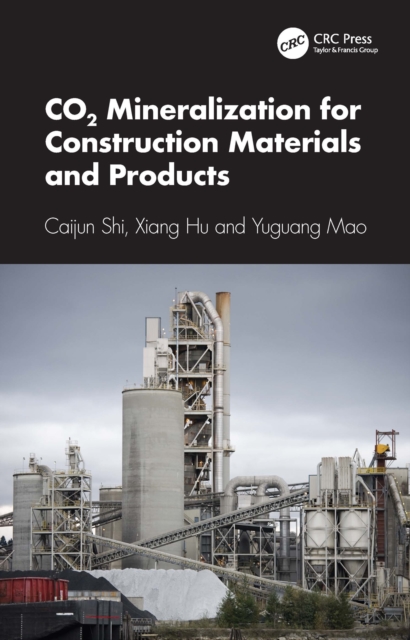
CO2 Mineralization for Construction Materials and Products is a comprehensive exploration of this emerging field, offering a detailed overview of the science, technology, and applications of CO2 mineralization techniques in the construction industry.
Materials Congress '98- Frontiers in Material Science and Technology, organised by the Institute of Materials was held from the 6 to 8 April 1998 at the Royal Agricultural College, Circencester.
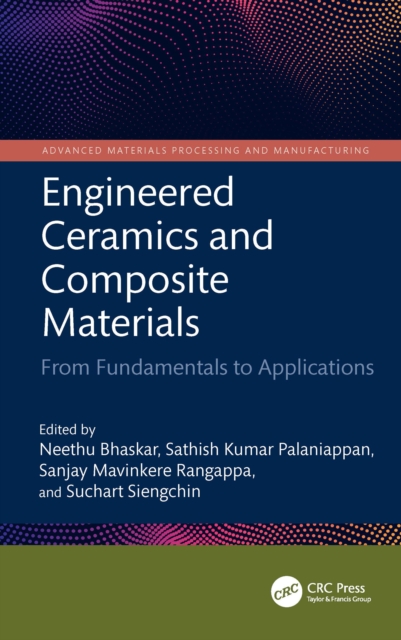
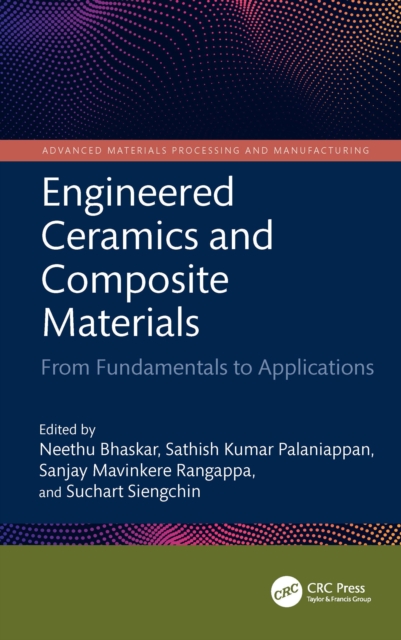
This book provides a comprehensive insight into the diversity of ceramics and their applications in producing clean devices and their capability of being recycled into useful in-demand products.
General information & classification of polymer concretes; Characteristic features of the materials used; Theory of structure formation using polymer concretes & physical & chemical principles in formulating their compositions; Physical & mechanical properties of polymer concretes; Resistance of polymer concretes to aggressive media; Durability of polymer concrete structures; Effect of temperature & fire on polymer concrete structures; Design characteristics of polymer concrete & reinforced polymer concrete structures; Technology of producing polymer concrete products; Polymer sulphur concretes.
The Fifth International Conference on Recent Advances in Engineering Sciences (ICRAES-2024) is part of the ICRAES conference series, a biannual event organised by M.
New technologies in construction are allowing us to radically change our views and approaches to traditional methods of constructing buildings and structures, as well as to address issues like reducing energy and resource consumption, speeding up and enhancing quality of construction.
New technologies in construction are allowing us to radically change our views and approaches to traditional methods of constructing buildings and structures, as well as to address issues like reducing energy and resource consumption, speeding up and enhancing quality of construction.
This book provides a comprehensive insight into the diversity of ceramics and their applications in producing clean devices and their capability of being recycled into useful in-demand products.
MXene Composites for Biological and Environmental Applications is a comprehensive exploration of the revolutionary potential of MXene composites in addressing pressing environmental and biological challenges.
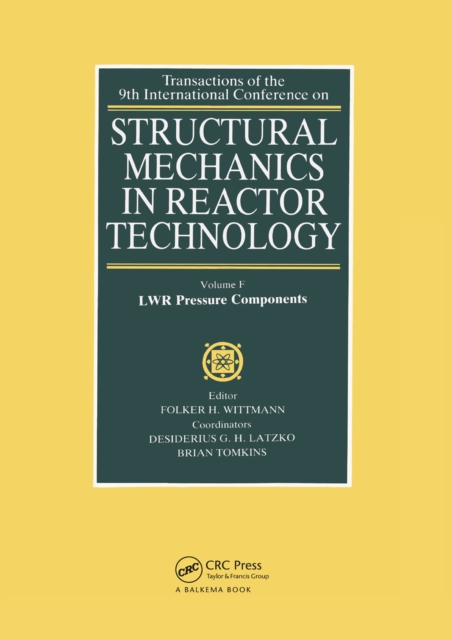
'Structural mechanics in reactor technology, LWR Pressure Components' is the proceedings and transactions of the international conference on structural mechanics in reactor technology, held in 1987.
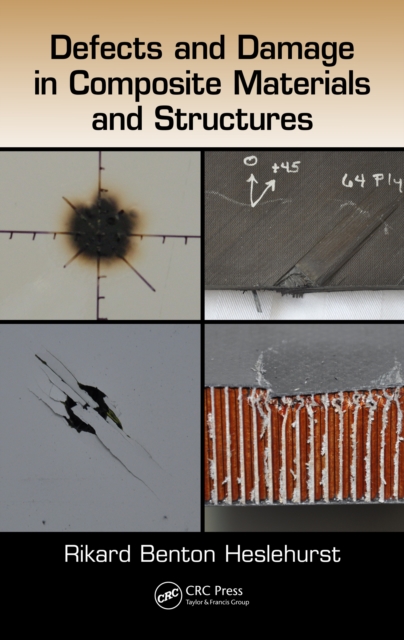
The advantages of composite materials include a high specific strength and stiffness, formability, and a comparative resistance to fatigue cracking and corrosion.
Materials Processing by Cluster Ion Beams: History, Technology, and Applications discusses the contemporary physics, materials science, surface engineering issues, and nanotechnology capabilities of cluster beam processing.
Electrolytes for Electrochemical Supercapacitors provides a state-of-the-art overview of the research and development of novel electrolytes and electrolyte configurations and systems to increase the energy density of electrochemical supercapacitors.
This book provides readers with state-of-the-art knowledge of established and emerging semiconducting materials, their processing, and the fabrication of chips and microprocessors.
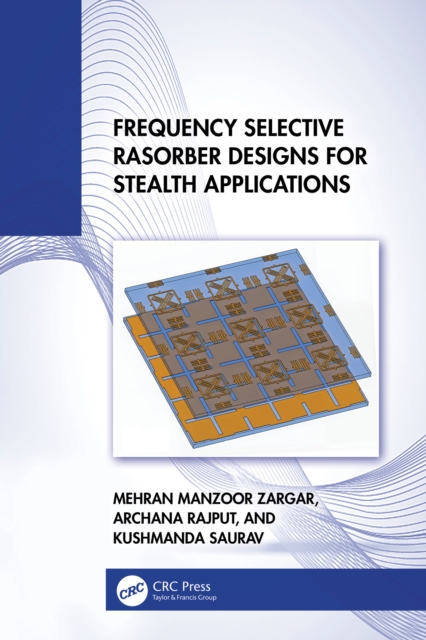
This book offers a comprehensive guide to the principles, design methodologies, and practical implementations of frequency selective rasorbers (FSRs) with a focus on radar cross-section (RCS) reduction for modern stealth technologies.
The Essential Handbook of Polymer Terms and Attributes not only acts as an encyclopaedia of polymer science but also fosters an appreciation for the significance of polymers in fields including materials science, chemistry, engineering, and medicine.
Designed for the general engineering student, Introduction to Engineering Materials, Second Edition focuses on materials basics and provides a solid foundation for the non-materials major to understand the properties and limitations of materials.
Most baking books do not focus on the simultaneous heat and mass transfer that occurs in the baking process, thereby ignoring a fundamental facet of process and product development.
Known as the bible of biomedical engineering, The Biomedical Engineering Handbook, Fourth Edition, sets the standard against which all other references of this nature are measured.
Nature, with its unassuming yet prodigious character, unfolds its assembly and adaptability guided by the principles of thermodynamics and supramolecular chemistry.
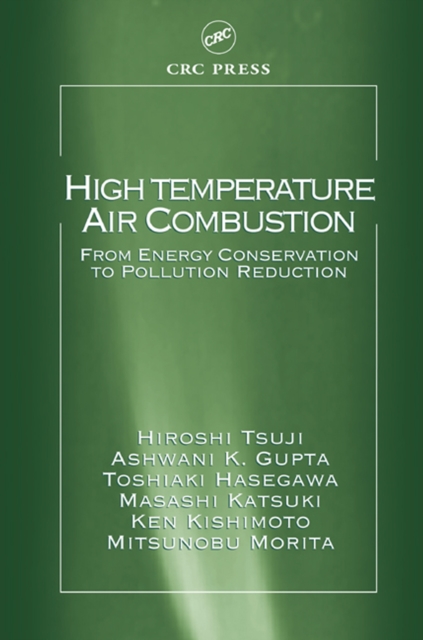
Maximize efficiency and minimize pollution: the breakthrough technology of high temperature air combustion (HiTAC) holds the potential to overcome the limitations of conventional combustion and allow engineers to finally meet this long-standing imperative.
Breaking down the complicated concepts of speed, acceleration, torque, fluid mechanics, and surface physics, Physics of Sailing provides a lively, easily accessible introduction to the basic science underlying the sport of sailing.
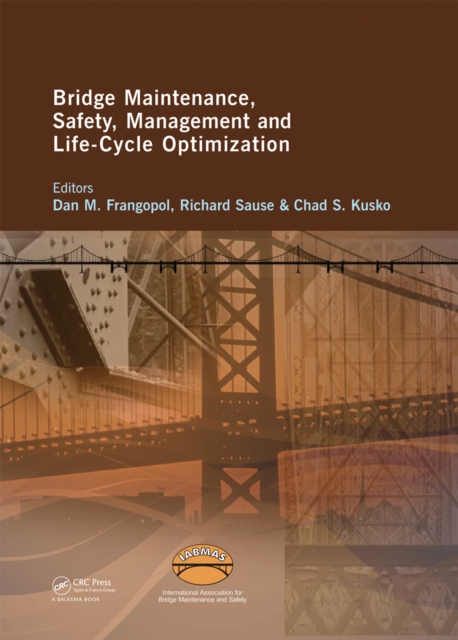
Bridge Maintenance, Safety, Management and Life-Cycle Optimization contains the lectures and papers presented at IABMAS 2010, the Fifth International Conference of the International Association for Bridge Maintenance and Safety (IABMAS), held in Philadelphia, Pennsylvania, USA from July 11 through 15, 2010.
Instead of using expensive alloys to construct a tank or processing vessel, it is often more economical to use a less expensive metal, such as carbon steel, and install a lining to provide protection from corrosion.
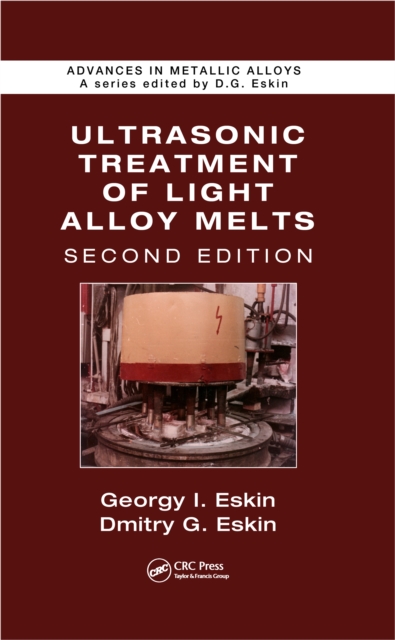
Spawned by growing interest in ultrasonic technology and new developments in ultrasonic melt processing, the Second Edition of Ultrasonic Treatment of Light Alloy Melts discusses use of ultrasonic melt treatment in direct-chill casting, shape casting, rapid solidification, zone refining, and more, exploring the effects of power ultrasound on melt degassing, filtration, and refinement in aluminum and magnesium alloys.
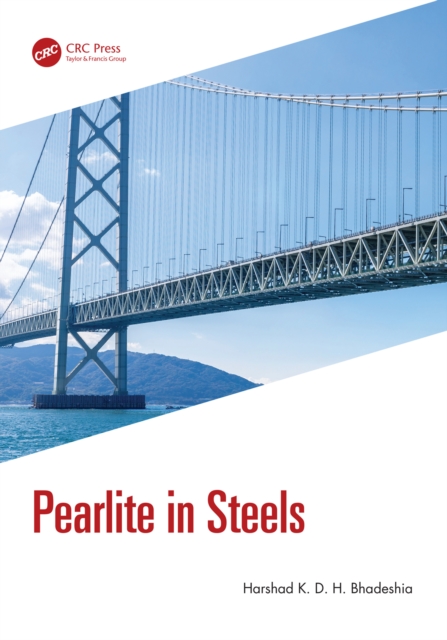
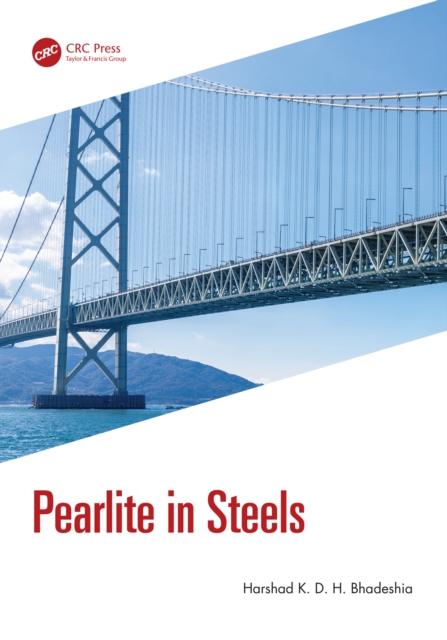
Pearlitic steel is the strongest commercially available mass-produced alloy, and pearlite is used in a myriad of applications, from the reinforcement of tyres in every single road vehicle in the world, to the creation of pathways across troubled waters.
Pearlitic steel is the strongest commercially available mass-produced alloy, and pearlite is used in a myriad of applications, from the reinforcement of tyres in every single road vehicle in the world, to the creation of pathways across troubled waters.
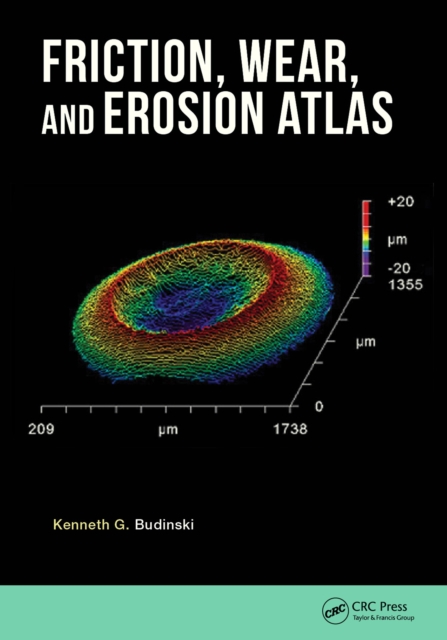
Friction, wear, and erosion are major issues in mechanical engineering and materials science, resulting in major costs to businesses operating in the automotive, biomedical, petroleum/oil/gas, and structural engineering industries.
Nature, with its unassuming yet prodigious character, unfolds its assembly and adaptability guided by the principles of thermodynamics and supramolecular chemistry.
This book provides readers with state-of-the-art knowledge of established and emerging semiconducting materials, their processing, and the fabrication of chips and microprocessors.