A two-day Second International Conference on Recent Advancements in Artificial Intelligence, Computational Intelligence, and Inclusive Technologies (ICRAIC2IT - 2025) held on May 2-3, 2025, at NRI Institute of Technology, Agiripalli, Vijayawada, India, was conducted with the aim of bringing together academicians, researchers, and industry professionals to exchange ideas, innovations, and research findings in emerging areas of AI and inclusive technologies.
Fundamentals of Occupational Therapy: An Introduction to the Profession is a comprehensive, introductory text that provides first year students with foundational knowledge of occupational therapy as a profession and the construct of occupation.
This Second Edition of Low Vision Rehabilitation: A Practical Guide for Occupational Therapists provides current, evidence-based information on low vision rehabilitation that contains several new and expanded chapters on ADLs, IADLs, and recreation, as well as new online resources and the latest in accessibility devices.
Lower-Limb Prosthetics and Orthotics: Clinical Conceptsis a comprehensive overview of lower-limb prosthetics and orthotics, covering normal and pathological gait, lower-limb biomechanics, clinical applications, as well as prosthetic and orthotic designs and components.
Fundamentals of Occupational Therapy: An Introduction to the Profession is a comprehensive, introductory text that provides first year students with foundational knowledge of occupational therapy as a profession and the construct of occupation.
Lower-Limb Prosthetics and Orthotics: Clinical Conceptsis a comprehensive overview of lower-limb prosthetics and orthotics, covering normal and pathological gait, lower-limb biomechanics, clinical applications, as well as prosthetic and orthotic designs and components.
This Second Edition of Low Vision Rehabilitation: A Practical Guide for Occupational Therapists provides current, evidence-based information on low vision rehabilitation that contains several new and expanded chapters on ADLs, IADLs, and recreation, as well as new online resources and the latest in accessibility devices.
Occupation, theory-driven, evidence-based, and client-centered practice continue to be the core of the profession and are the central focus of Occupational Therapy Essentials for Clinical Competence, Third Edition.
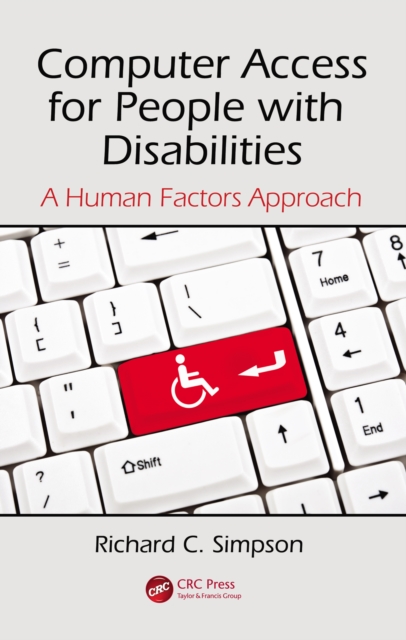
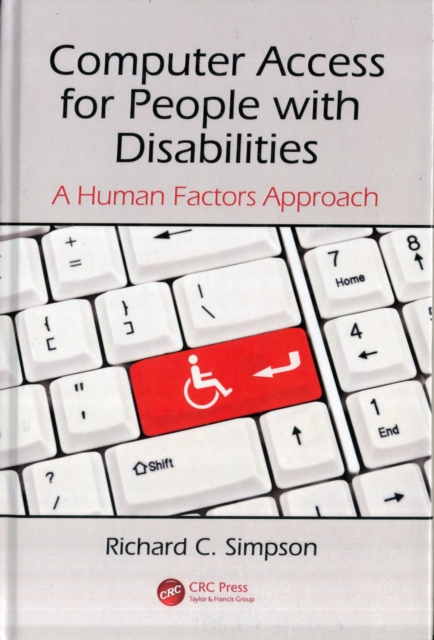
Incorporating Compass Computer Access Assessment software, Computer Access for People with Disabilities: A Human Factors Approach provides the information clinicians need to know in order to provide effective alternative computer access solutions to individuals with disabilities.
Occupation, theory-driven, evidence-based, and client-centered practice continue to be the core of the profession and are the central focus of Occupational Therapy Essentials for Clinical Competence, Third Edition.
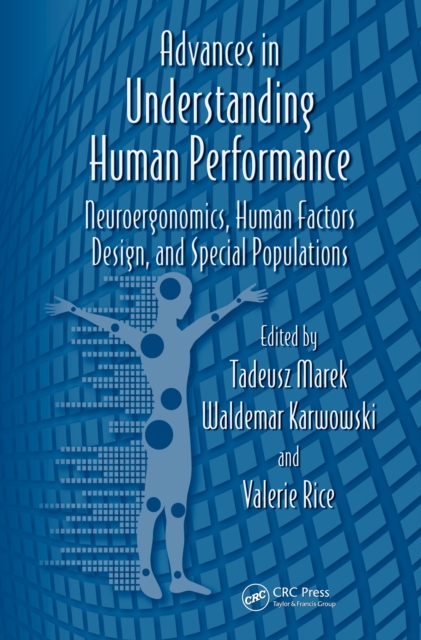
Combining emerging concepts, theories, and applications of human factors knowledge, this volume focuses on discovery and understanding of human performance issues in complex systems, including recent advances in neural basis of human behavior at work (i.
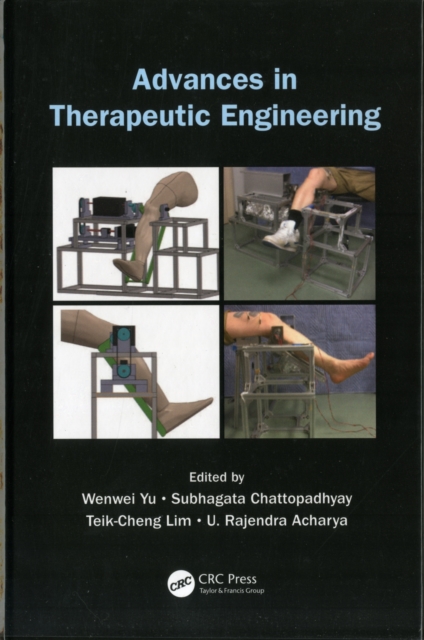
Despite the apparently distinct differences between the disciplines of ergonomics and rehabilitation, they deal with the same issues, although at different ends of the spectrum.
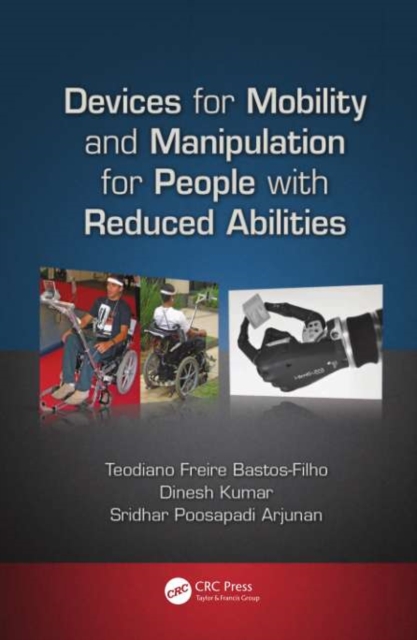
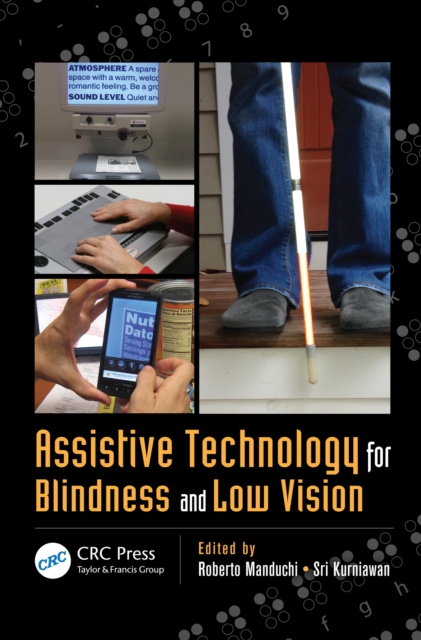
The development and application of assistive technology can help those with reduced abilities improve their quality of life and reduce their dependence on others.
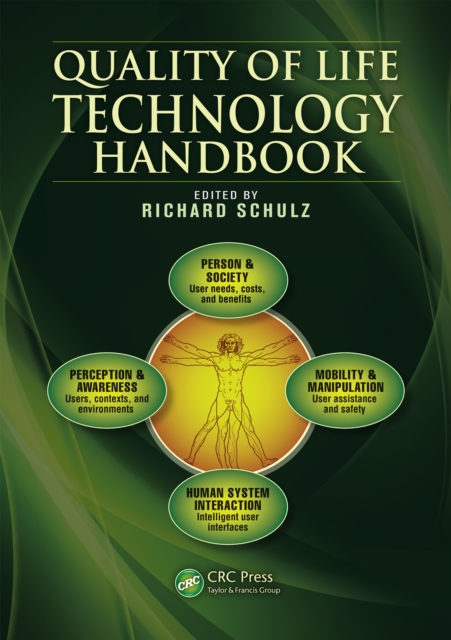
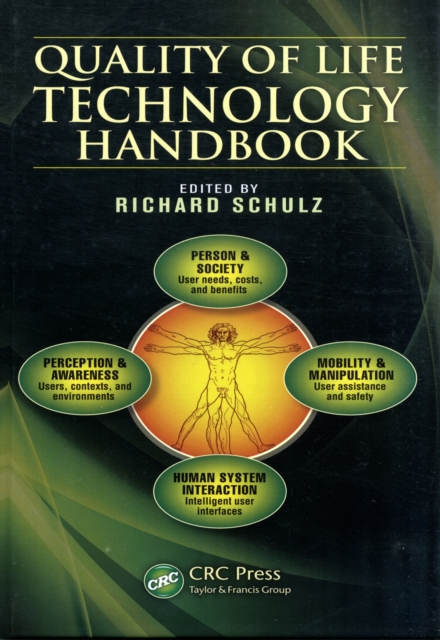
A collaboration between leading scientists, practitioners, and researchers at Carnegie-Mellon University and the University of Pittsburgh, this book is a comprehensive resource describing Quality of Life technologies and their development, evaluation, adoption, and commercialization.
Visual disability (including blindness) is of major significance among the elderly, and since it is so crucial to the quality of life of the elderly, it is necessary for all professional staff concerned with old people to have an understanding of the subject.
Visual disability (including blindness) is of major significance among the elderly, and since it is so crucial to the quality of life of the elderly, it is necessary for all professional staff concerned with old people to have an understanding of the subject.
Brain Technology in Augmented Cognition: Current and Future Trends informs engineers interested in human-computer interaction about the current state of augmented cognition.
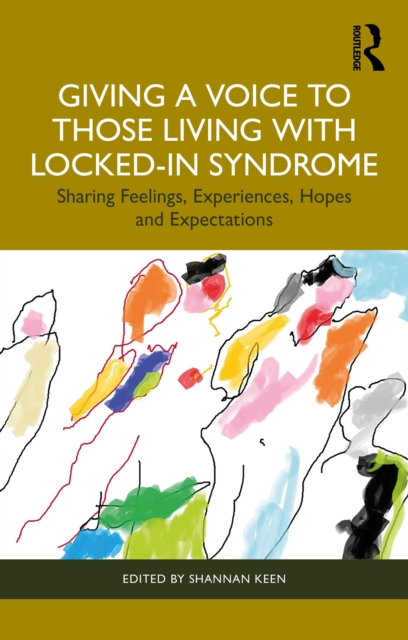
Giving a Voice to those Living with Locked-In Syndrome is a unique book that provides a way for the life experiences of people living with Locked-In Syndrome (LiS) to be heard.
Brain Technology in Augmented Cognition: Current and Future Trends informs engineers interested in human-computer interaction about the current state of augmented cognition.
Clinical Cases in Augmentative and Alternative Communication provides a concise introduction to the rapidly expanding field of augmentative and alternative communication (AAC).
Clinical Cases in Augmentative and Alternative Communication provides a concise introduction to the rapidly expanding field of augmentative and alternative communication (AAC).
Addresses an Emerging Shift in Developing CountriesThe authors and contributors of Ambient Assisted Living have recognized that the demographic profile is changing in many developing countries and have factored in an inversion of the demographic pyramid.
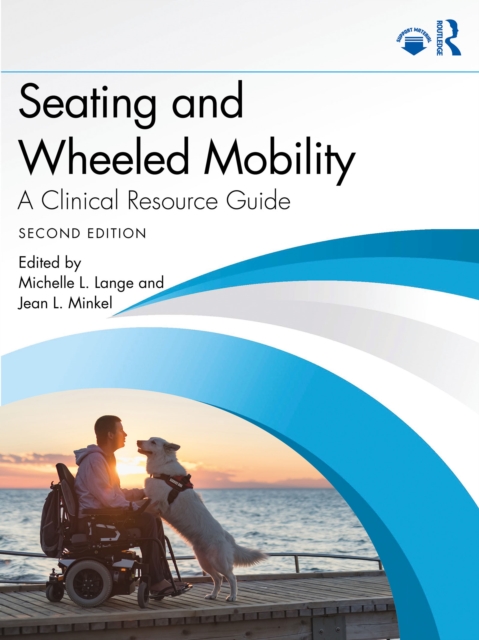
Fully updated and expanded in its second edition, Seating and Wheeled Mobility: A Clinical Resource Guide presents clinical assessment considerations when working with a person with a mobility disability.
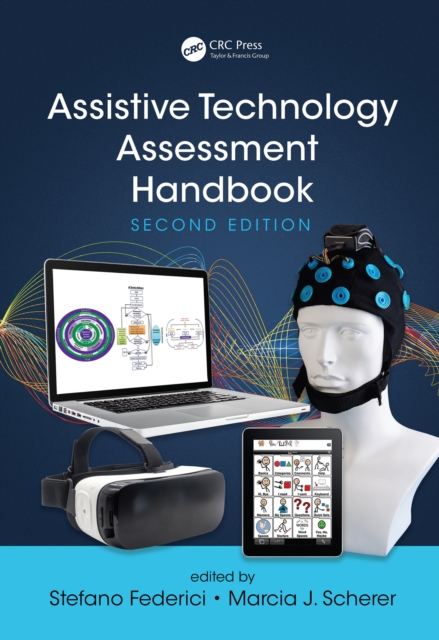
Assistive Technology Assessment Handbook, Second Edition, proposes an international ideal model for the assistive technology assessment process, outlining how this model can be applied in practice to re-conceptualize the phases of an assistive technology delivery system according to the biopsychosocial model of disability.
The development and application of assistive technology can help those with reduced abilities improve their quality of life and reduce their dependence on others.
Incorporating Compass Computer Access Assessment software, Computer Access for People with Disabilities: A Human Factors Approach provides the information clinicians need to know in order to provide effective alternative computer access solutions to individuals with disabilities.
A collaboration between leading scientists, practitioners, and researchers at Carnegie-Mellon University and the University of Pittsburgh, this book is a comprehensive resource describing Quality of Life technologies and their development, evaluation, adoption, and commercialization.
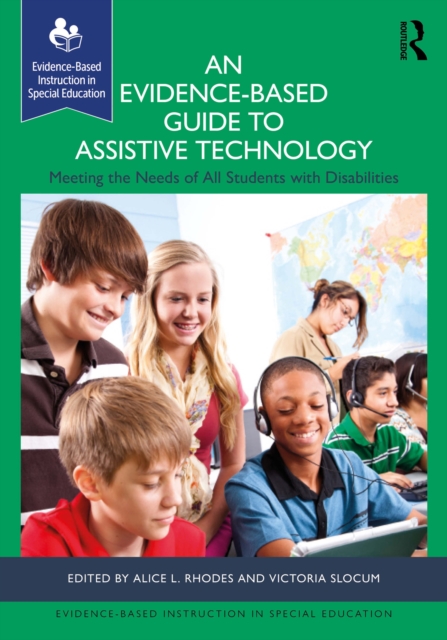
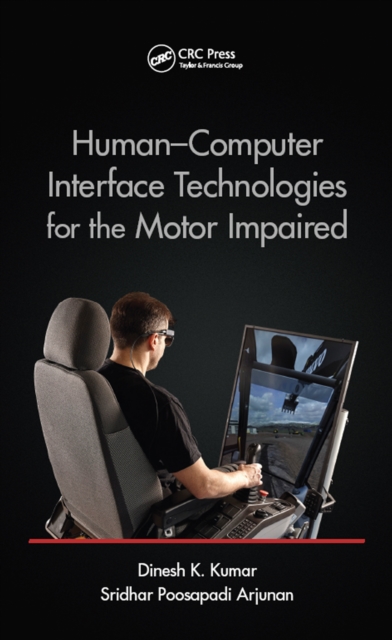
Assistive technology has made it feasible for individuals with a wide range of impairments to engage in many activities, such as education and employment, in ways not previously possible.
Combining emerging concepts, theories, and applications of human factors knowledge, this volume focuses on discovery and understanding of human performance issues in complex systems, including recent advances in neural basis of human behavior at work (i.