NASA's Human Exploration and Development of Space (HEDS) program within the Office of Space Flight has proposed a new framework for space technology and systems developmentAdvanced Systems, Technology, Research, and Analysis (ASTRA) for future space flight capabilities.
In 2000, the nations next-generation National Polar-orbiting Operational Environmental Satellite System (NPOESS) program anticipated purchasing six satellites for $6.
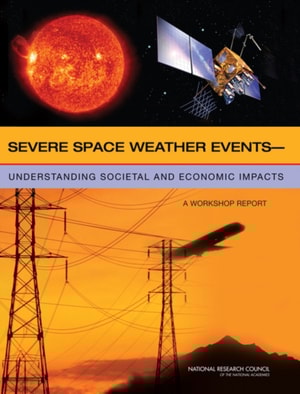
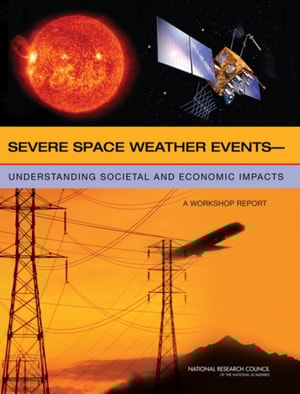
The adverse effects of extreme space weather on modern technologypower grid outages, high-frequency communication blackouts, spacecraft anomaliesare well known and well documented, and the physical processes underlying space weather are also generally well understood.
To begin implementation of the Vision for Space Exploration (recently renamed United States Space Exploration Policy), NASA has begun development of new launch vehicles and a human-carrying spacecraft that are collectively called the Constellation System.
Ignition of upholstered furniture by small open flames from matches, cigarette lighters, and candles is one of the leading causes of residential-fire deaths in the United States.
This workshop report examines the capability of the forecast system to efficiently transfer weather and climate research findings into improved operational forecast capabilities.
Currently, the Departments of Defense (DOD) and Commerce (DOC) acquire and operate separate polarorbiting environmental satellite systems that collect data needed for military and civil weather forecasting.
In March 2000, NASA's Office of Space Flight asked the Aeronautics and Space Engineering Board of the National Research Council to perform an independent assessment of the space solar power program's technology investment strategy to determine its technical soundness and its contribution to the roadmap that NASA has developed for this program.
This report evaluates the Defense Threat Reduction Agency prior and present sponsored efforts; assess the present state of the art in thermionic energy conversion systems; assess the technical challenges to the development of viable thermionic energy conversion systems for both space and terrestrial applications; and recommend a prioritized set of objectives for a future research and development program for advanced thermionic systems for space and terrestrial applications.
In 1986, the FFC requested that the NRC appoint a committee to examine the field and propose ways by which the POE process could be improved to better serve public and private sector organizations.
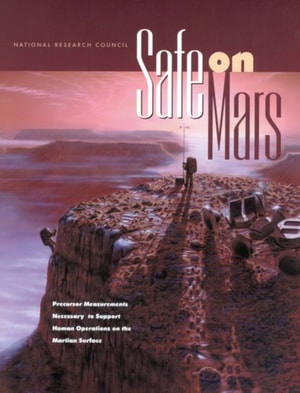
This study, commissioned by the National Aeronautics and Space Administration (NASA), examines the role of robotic exploration missions in assessing the risks to the first human missions to Mars.
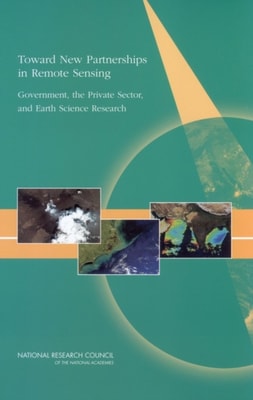
The technical, scientific, policy, and institutional environment for conducting Earth science research has been changing rapidly over the past few decades.
Knowledge of time is essential to precise knowledge of location, and for this reason the Navy, with its need to navigate on the high seas, has historically played an important role in the development and application of advanced time realization and dissemination technologies.
In response to requests from Congress, NASA asked the National Research Council to undertake a decadal survey of life and physical sciences in microgravity.
In response to requests from Congress, NASA asked the National Research Council to undertake a decadal survey of life and physical sciences in microgravity.
The adverse effects of extreme space weather on modern technologypower grid outages, high-frequency communication blackouts, spacecraft anomaliesare well known and well documented, and the physical processes underlying space weather are also generally well understood.
The adverse effects of extreme space weather on modern technologypower grid outages, high-frequency communication blackouts, spacecraft anomaliesare well known and well documented, and the physical processes underlying space weather are also generally well understood.
To begin implementation of the Vision for Space Exploration (recently renamed United States Space Exploration Policy), NASA has begun development of new launch vehicles and a human-carrying spacecraft that are collectively called the Constellation System.
The adverse effects of extreme space weather on modern technologypower grid outages, high-frequency communication blackouts, spacecraft anomaliesare well known and well documented, and the physical processes underlying space weather are also generally well understood.
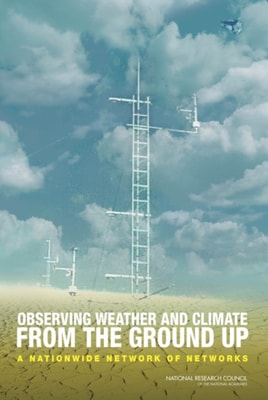
Detailed weather observations on local and regional levels are essential to a range of needs from forecasting tornadoes to making decisions that affect energy security, public health and safety, transportation, agriculture and all of our economic interests.
In 2000, the nations next-generation National Polar-orbiting Operational Environmental Satellite System (NPOESS) program anticipated purchasing six satellites for $6.
The development of deep space surveillance technology and its later application to near-Earth surveillance, covering work at Lincoln Laboratory from 1970 to 2000.
This book commences with an editorial overview, providing a comprehensive introduction to the current landscape and future prospects in engineering and technology.
This compelling story of exploration charts and celebrates humankind in space, from Sputnik's launch in 1957 through the Apollo Moon landings and the International Space Station to future missions to Mars and beyond.
This book highlights stories of the most important 13 ground-based observatories and 14 space probes in human history, leading readers through each significant step of human's astronomical observation journey.
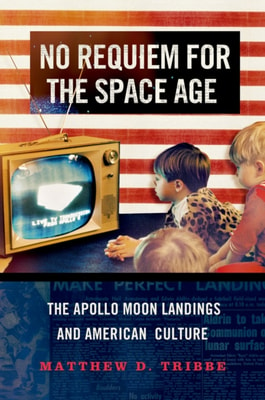
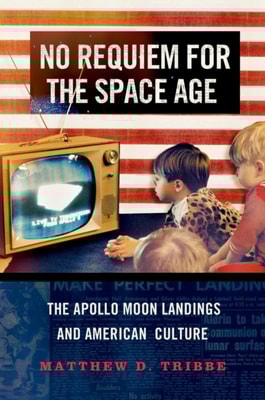
During the summer of 1969-the summer Americans first walked on the moon-musician and poet Patti Smith recalled strolling down the Coney Island Boardwalk to a refreshment stand, where "e;pictures of Jesus, President Kennedy, and the astronauts were taped to the wall behind the register.
During the summer of 1969-the summer Americans first walked on the moon-musician and poet Patti Smith recalled strolling down the Coney Island Boardwalk to a refreshment stand, where "e;pictures of Jesus, President Kennedy, and the astronauts were taped to the wall behind the register.
This book stems from the worrying scale and intensity of conflicts, humanitarian crises, and human rights violations around the world, which can be seen in a wide range of global hotspots including Venezuela, Yemen, Syria, Myanmar, Sudan, Eritrea, and numerous others.
This book gathers the outcomes of the second ECCOMAS CM3 Conference series on transport, which addressed the main challenges and opportunities that computation and big data represent for transport and mobility in the automotive, logistics, aeronautics and marine-maritime fields.
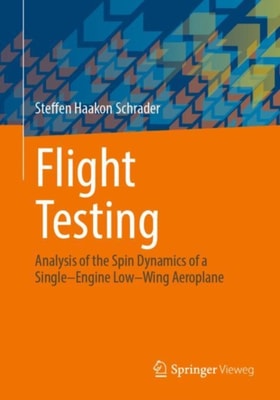
As spinning is still involved in around 60% of all aircraft accidents (BFU, 1985 and Belcastro, 2009), this aerodynamic phenomenon is still not fully understood.