The field of nonlinear optics emerged three decades ago with the development of the first operating laser and the demonstration of frequency doubling phenomena.
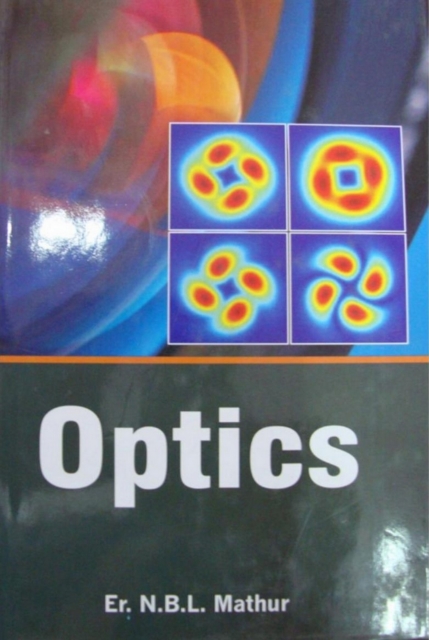
The field of nonlinear optics emerged three decades ago with the development of the first operating laser and the demonstration of frequency doubling phenomena.
In General Naval Tactics, Naval War College professor and renowned tactical expert Milan Vego describes and explains those aspects of naval tactics most closely related to the human factor.
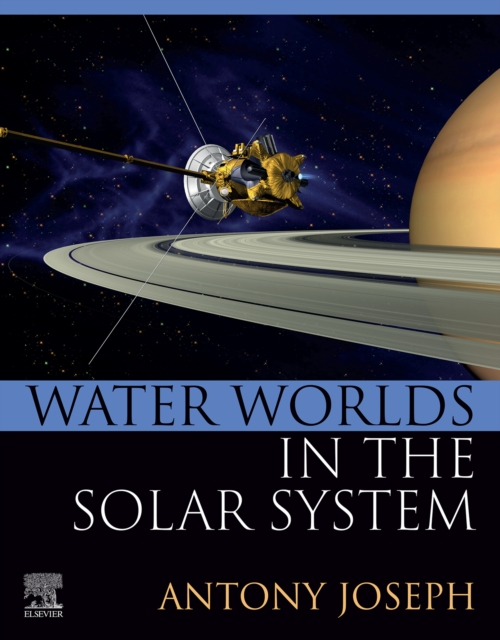
Water Worlds in the Solar System: In Search of Habitable Environments and Life is a comprehensive reference on the formation, availability, habitability potential, and astrobiological implications of water in the Solar System.
This book presents computational methods for extracting the useful information from audio signals, collecting the state of the art in the field of sound event and scene analysis.
This is the remarkable story of an airplane that became a legend--with a sleek silhouette and bent wings, it doubled as a day and night fighter, could fly off carriers or from land, and served both as a dive bomber and reconnaissance plane.
The objective of this textbook is to provide the mathematical models and algorithms needed to develop a thorough understanding of all control system functions of a rigid body spacecraft.
We are starting to see the first real progress in space exploration in the private sector, and there are many jobs becoming available in this fascinating new field.
Advances in Imaging and Electron Physics merges two long-running serials-Advances in Electronics and Electron Physics and Advances in Optical and Electron Microscopy.
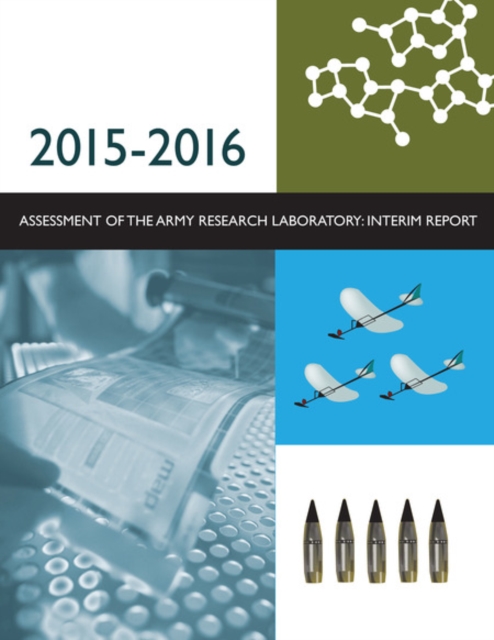
The National Academies of Sciences, Engineering, and Medicine's Army Research Laboratory Technical Assessment Board (ARLTAB) provides biennial assessments of the scientific and technical quality of the research, development, and analysis programs at the Army Research Laboratory (ARL), focusing on ballistics sciences, human sciences, information sciences, materials sciences, and mechanical sciences.
Assessment of Mission Size Trade-offs for NASA's Earth and Space Science Missions addresses fundamental issues of mission architecture in the nation's scientific space program and responds to the FY99 Senate conference report, which requested that NASA commission a study to assess the strengths and weaknesses of small, medium, and large missions.
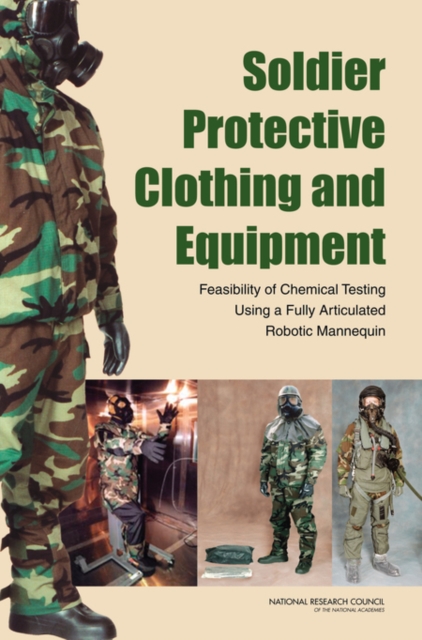
There is an ongoing need to test and ensure effectiveness of personal protective equipment that soldiers use to protect themselves against chemical warfare agents.
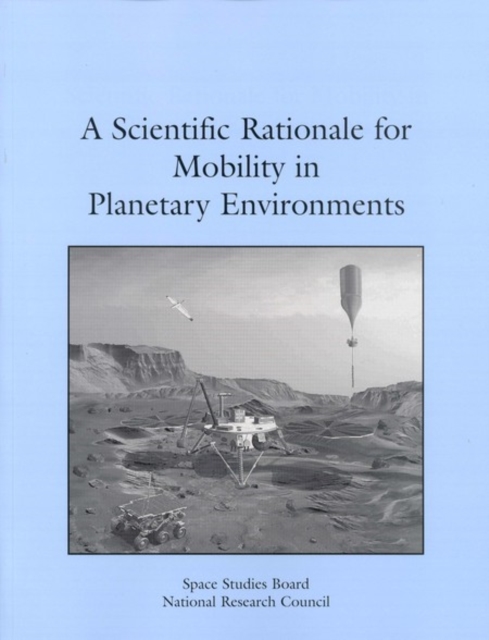
For the last several decades, the Committee on Planetary and Lunar Exploration (COMPLEX) has advocated a systematic approach to exploration of the solar system; that is, the information and understanding resulting from one mission provide the scientific foundations that motivate subsequent, more elaborate investigations.
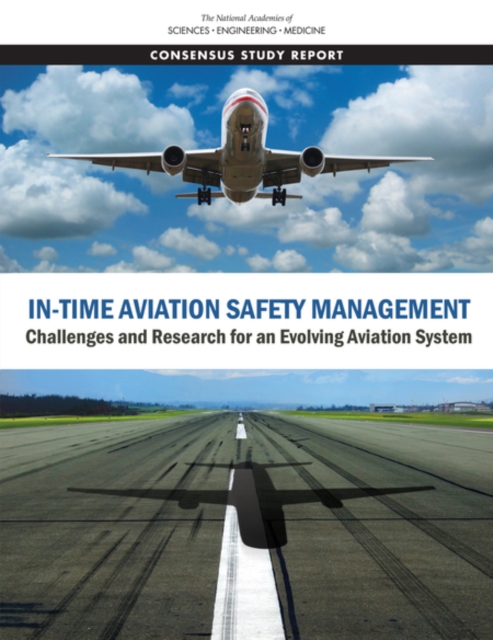
Decades of continuous efforts to address known hazards in the national airspace system (NAS) and to respond to issues illuminated by analysis of incidents and accidents have made commercial airlines the safest mode of transportation.
For the National Aeronautics and Space Administration (NASA) to achieve many of its space science and exploration goals over the next several decades, dramatic advances in space technology will be necessary.
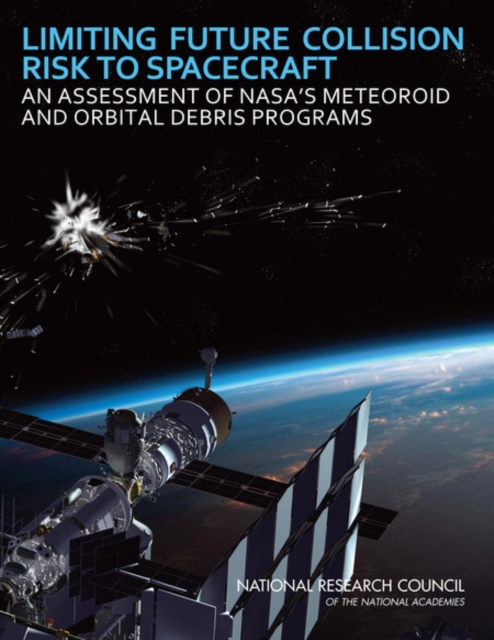
Derelict satellites, equipment and other debris orbiting Earth (aka space junk) have been accumulating for many decades and could damage or even possibly destroy satellites and human spacecraft if they collide.
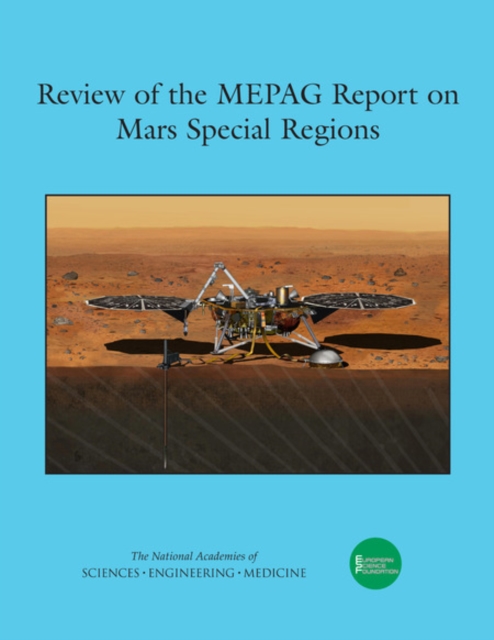
Planetary protection is a guiding principle in the design of an interplanetary mission, aiming to prevent biological contamination of both the target celestial body and the Earth.
The United States and the former Soviet Union have sent spacecraft to mars as early as 1966, with Mars' exploration being priority for NASA spacecraft.