This book provides a first integrated view of nanophotonics and plasmonics, covering the use of dielectric, semiconductor, and metal nanostructures to manipulate light at the nanometer scale.
New materials hold the key to fundamental advances in energy conversion and storage, both of which are vital in order to meet the challenge of global warming and the finite nature of fossil fuels.
As with the first edition, the main goal of Advanced Technologies for Meat Processing is to provide the reader with recent developments in new advanced technologies for the full meat- processing chain.
Biomedical Application of Nanoparticles explores nanoparticles, their chemical and physicals properties, and how they interact in biological systems with proteins, immune system and targeted cells.
Most reference texts covering two-dimensional materials focus specifically on graphene, when in reality, there are a host of new two-dimensional materials poised to overtake graphene.
Surfactants play a critical role in Tribology controlling friction, wear, and lubricant properties such as emulsification, demulsification, bioresistance, oxidation resistance, rust prevention and corrosion resistance.
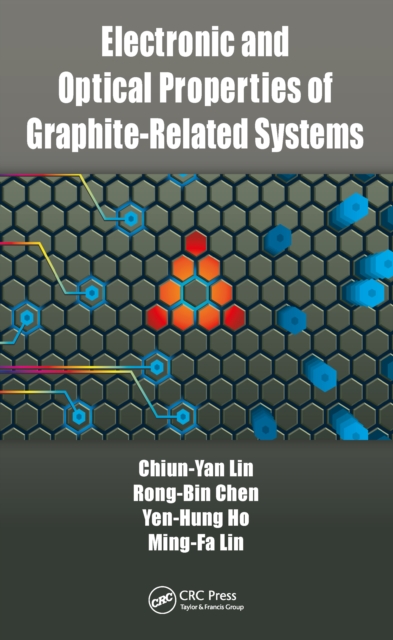
Graphene is giving new impetus to the electronics industry because its band structure allows its properties to be dramatically altered and modified by chemical or electrochemical doping methods.
The field of molecular materials research looks at the preparation and characterization of potentially useful materials with enhanced physical, chemical, and biomedical properties.
The completely revised Third Edition to the bestselling Microlithography: Science and Technology provides a balanced treatment of theoretical and operational considerations, from fundamental principles to advanced topics of nanoscale lithography.
Biomedical Applications of Magnetic Particles discusses fundamental magnetic nanoparticle physics and chemistry and explores important biomedical applications and future challenges.
Nano particles have created a high interest in recent years by virtue of their unusual mechanical, electrical, optical and magnetic properties and find wide applications in all fields of engineering.
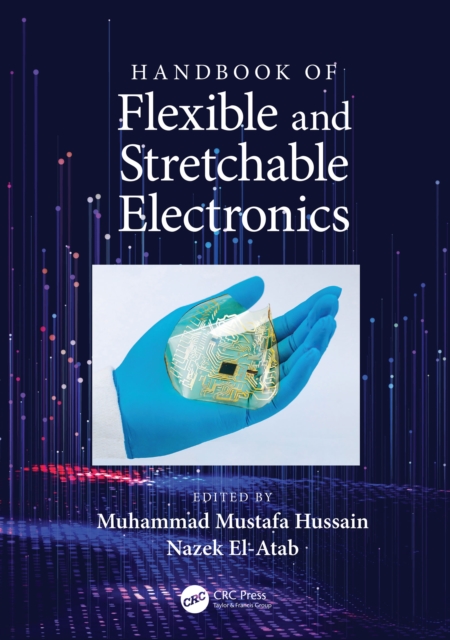
Flexibility and stretchability of electronics are crucial for next generation electronic devices that involve skin contact sensing and therapeutic actuation.
Flexibility and stretchability of electronics are crucial for next generation electronic devices that involve skin contact sensing and therapeutic actuation.
Plastic Deformation of Nanostructured Materials offers comprehensive analysis on the most important data and results in the field of materials strength and mechanics.
Plastic Deformation of Nanostructured Materials offers comprehensive analysis on the most important data and results in the field of materials strength and mechanics.
Diversified physicochemical injuries trigger Charnoly body (CB) formation as pleomorphic, electron-dense, multi-lamellar stacks of nonfunctional mitochondrial membranes in the most vulnerable cell.
Diversified physicochemical injuries trigger Charnoly body (CB) formation as pleomorphic, electron-dense, multi-lamellar stacks of nonfunctional mitochondrial membranes in the most vulnerable cell.
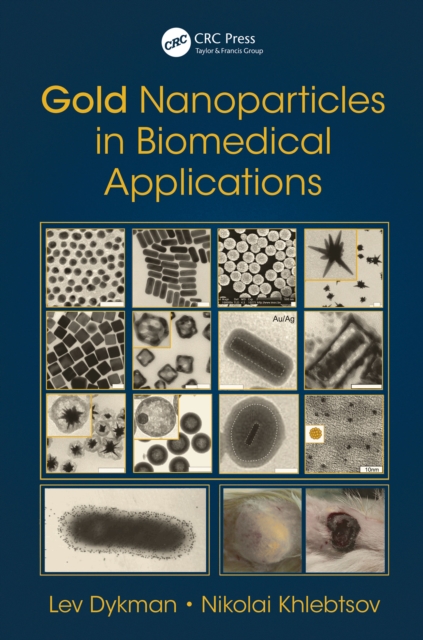
This book discusses fabrication of functionalized gold nanoparticles (GNPs) and multifunctional nanocomposites, their optical properties, and applications in biological studies.
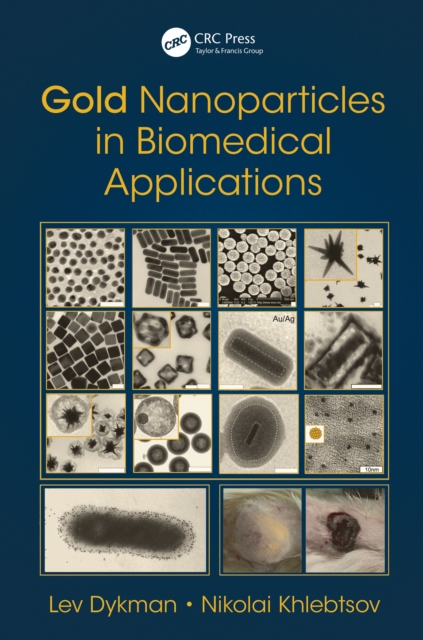
This book discusses fabrication of functionalized gold nanoparticles (GNPs) and multifunctional nanocomposites, their optical properties, and applications in biological studies.
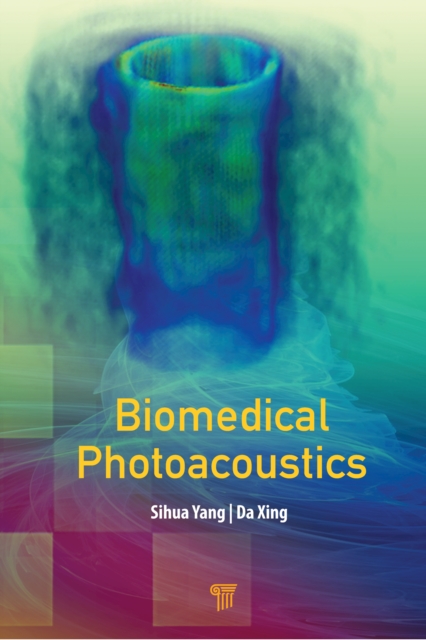
As a fast-growing imaging technology, photoacoustic (PA) imaging synergistically combines electromagnetic and ultrasonic waves providing higher contrast and resolution than conventional ultrasound imaging.
This book gives an accessible, detailed overview on techniques of single molecule biophysics (SMB), showing how they are applied to numerous biological problems associated with understanding the molecular mechanisms of DNA replication, transcription, and translation, as well as functioning of molecular machines.
This book gives an accessible, detailed overview on techniques of single molecule biophysics (SMB), showing how they are applied to numerous biological problems associated with understanding the molecular mechanisms of DNA replication, transcription, and translation, as well as functioning of molecular machines.
As a fast-growing imaging technology, photoacoustic (PA) imaging synergistically combines electromagnetic and ultrasonic waves providing higher contrast and resolution than conventional ultrasound imaging.
This book addresses fabrication as well as characterization and modeling of semiconductor nanostructures in the optical regime, with a focus on nonlinear effects.
This book addresses fabrication as well as characterization and modeling of semiconductor nanostructures in the optical regime, with a focus on nonlinear effects.
1-D metal oxide nanostructures, especially those with semiconducting properties, have attracted much attention in recent years due to their potential and emerging applications, specifically in environment purification and energy devices.
1-D metal oxide nanostructures, especially those with semiconducting properties, have attracted much attention in recent years due to their potential and emerging applications, specifically in environment purification and energy devices.
This book cover advances in the study of processes of nonlinear propagation of continuous and pulsed laser radiation in a continuous and micro structured optical media.
This book cover advances in the study of processes of nonlinear propagation of continuous and pulsed laser radiation in a continuous and micro structured optical media.