This new volume, Nanomedicine for the Treatment of Disease: From Concept to Application, looks at the application of nanomedicines with a particular focus on their use in the treatment of diseases.
This new volume, Nanomedicine for the Treatment of Disease: From Concept to Application, looks at the application of nanomedicines with a particular focus on their use in the treatment of diseases.
This new volume discusses the multitude of possibilities for new development in nanotechnology that focuses on overcoming the problems and challenges faced by the biomedical and food industries.
This new volume discusses the multitude of possibilities for new development in nanotechnology that focuses on overcoming the problems and challenges faced by the biomedical and food industries.
This new volume, Nanotechnology Applications in Dairy Science, is designed to provide new insight into the utilization of nanotechnology in dairy science and food science.
This new volume, Nanotechnology Applications in Dairy Science, is designed to provide new insight into the utilization of nanotechnology in dairy science and food science.
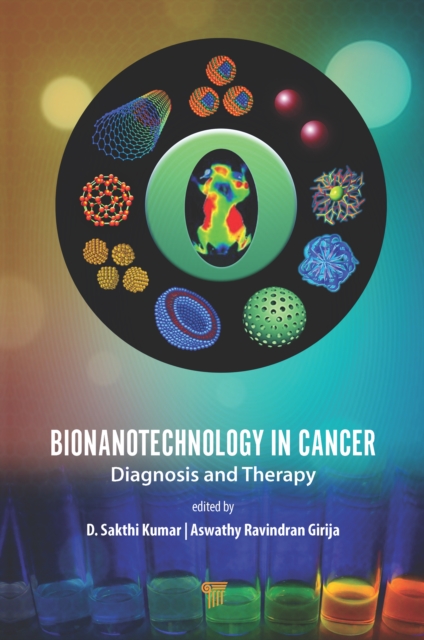
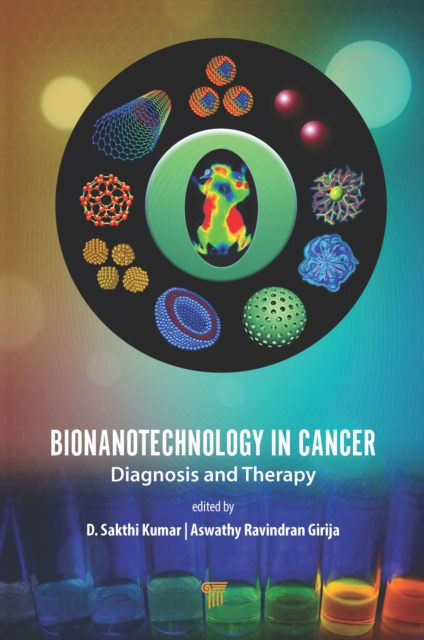
The cancer research world is looking forward to bionanotechnology to find the best solutions for a complete cure from cancer, which is not possible with the current established treatment methods.
The cancer research world is looking forward to bionanotechnology to find the best solutions for a complete cure from cancer, which is not possible with the current established treatment methods.
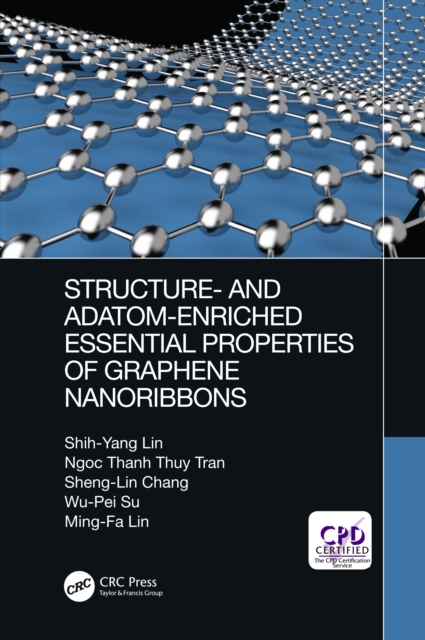
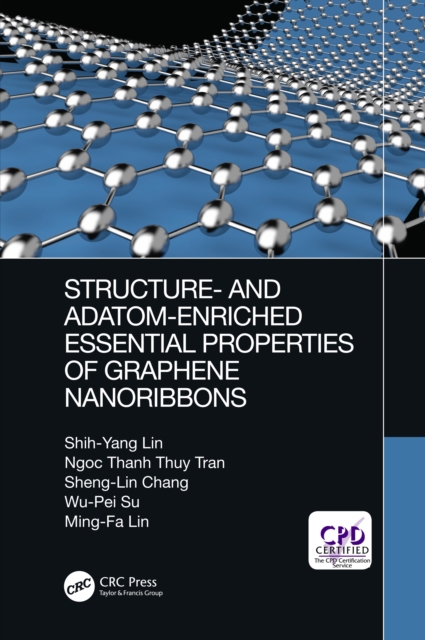
Structure- and Adatom-Enriched Essential Properties of Graphene Nanoribbons offers a systematic review of the feature-rich essential properties in emergent graphene nanoribbons, covering mainstream theoretical and experimental research.
Structure- and Adatom-Enriched Essential Properties of Graphene Nanoribbons offers a systematic review of the feature-rich essential properties in emergent graphene nanoribbons, covering mainstream theoretical and experimental research.
Understanding surfaces and interfaces is a key challenge for those working on hybrid nanomaterials and where new imaging and analysis spectroscopy/electron microscopy responses are vital.
Understanding surfaces and interfaces is a key challenge for those working on hybrid nanomaterials and where new imaging and analysis spectroscopy/electron microscopy responses are vital.
Metallic Glass-Based Nanocomposites: Molecular Dynamics Study of Properties provides readers with an overview of the most commonly used tools for MD simulation of metallic glass composites and provides all the basic steps necessary for simulating any material on Materials Studio.
Tremendous innovations in electronics and photonics over the past few decades have resulted in the downsizing of transistors in integrated circuits, which are now approaching atomic scales.
New Frontiers in Nanochemistry: Concepts, Theories, and Trends, Volume 1: Structural Nanochemistry is the first volume of the new three-volume set that explains and explores the important concepts from various areas within the nanosciences.
New Frontiers in Nanochemistry: Concepts, Theories, and Trends, Volume 2: Topological Nanochemistry is the second of the new three-volume set that explains and explores the important basic and advanced modern concepts in multidisciplinary chemistry.
The final volume of this new innovative and informative three-volume set explains and explores the essential basic and advanced concepts from various areas within the nanosciences.
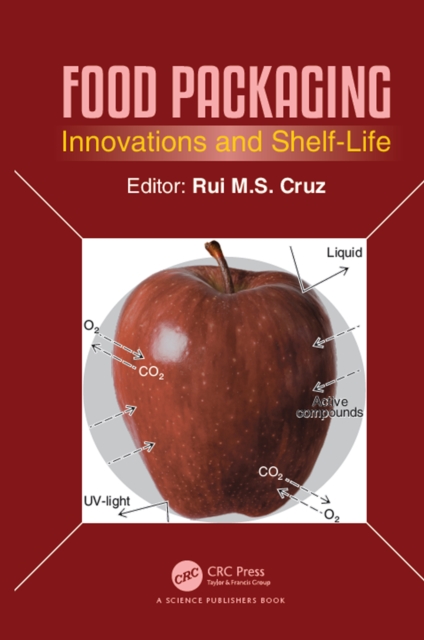
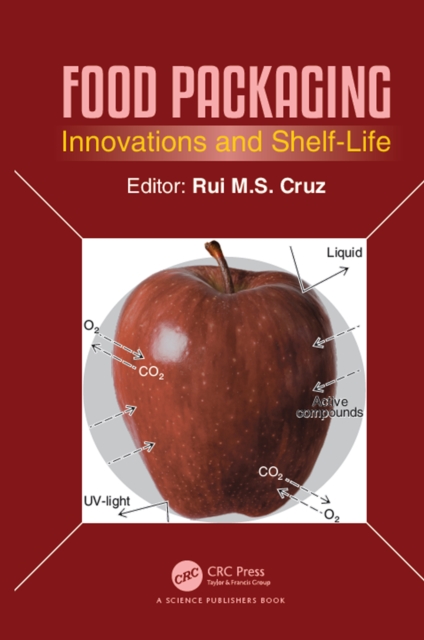
Food Packaging: Innovations and Shelf-life covers recently investigated developments in food packaging and their influence in food quality preservation, shelf-life extension, and simulation techniques.
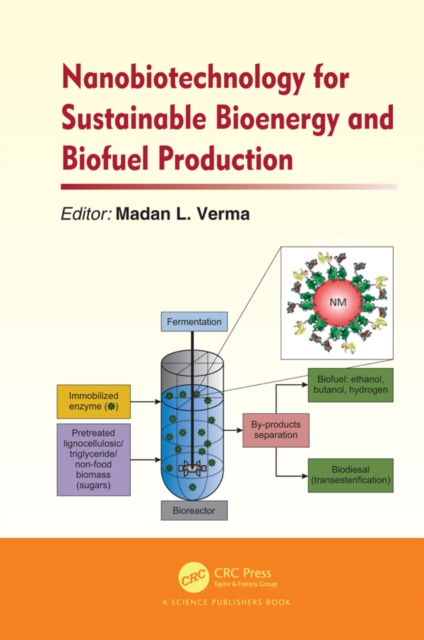
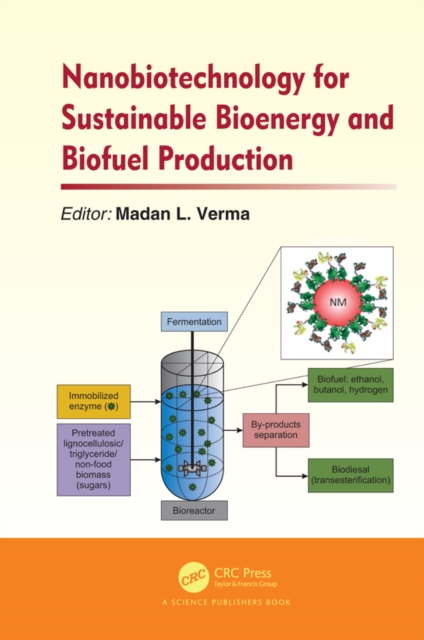
Nanobiotechnology for Sustainable Bioenergy and Biofuel Production provides insights into the most recent innovations, trends, concerns and challenges in the production of biofuels.
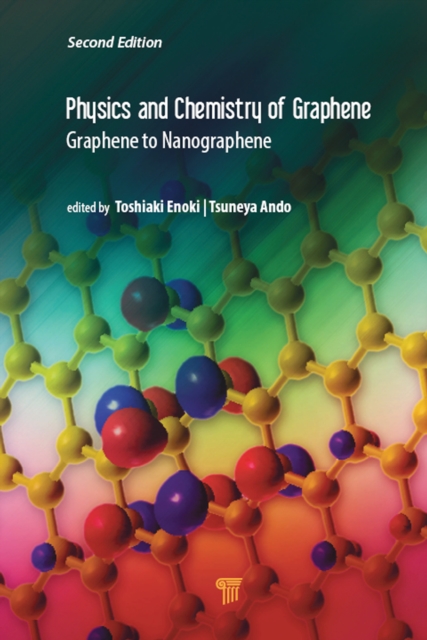
Graphene has been attracting growing attentions in physics, chemistry, and device applications after the discovery of micromechanically cleaved graphene sheet by A.
Metallic Glass-Based Nanocomposites: Molecular Dynamics Study of Properties provides readers with an overview of the most commonly used tools for MD simulation of metallic glass composites and provides all the basic steps necessary for simulating any material on Materials Studio.
Tremendous innovations in electronics and photonics over the past few decades have resulted in the downsizing of transistors in integrated circuits, which are now approaching atomic scales.
New Frontiers in Nanochemistry: Concepts, Theories, and Trends, Volume 1: Structural Nanochemistry is the first volume of the new three-volume set that explains and explores the important concepts from various areas within the nanosciences.
New Frontiers in Nanochemistry: Concepts, Theories, and Trends, Volume 2: Topological Nanochemistry is the second of the new three-volume set that explains and explores the important basic and advanced modern concepts in multidisciplinary chemistry.
The final volume of this new innovative and informative three-volume set explains and explores the essential basic and advanced concepts from various areas within the nanosciences.
Food Packaging: Innovations and Shelf-life covers recently investigated developments in food packaging and their influence in food quality preservation, shelf-life extension, and simulation techniques.
Nanobiotechnology for Sustainable Bioenergy and Biofuel Production provides insights into the most recent innovations, trends, concerns and challenges in the production of biofuels.
Graphene has been attracting growing attentions in physics, chemistry, and device applications after the discovery of micromechanically cleaved graphene sheet by A.
Nanobiotechnology is a new interdisciplinary science with revolutionary perspectives arising from the fact that at nanosize the behaviour and characteristics of matter change with respect to ordinary macroscopic dimensions.
Nanobiotechnology is a new interdisciplinary science with revolutionary perspectives arising from the fact that at nanosize the behaviour and characteristics of matter change with respect to ordinary macroscopic dimensions.