In this dynamic review and synthesis of empirical research and theoretical discussion of design as cognitive activity, Willemien Visser reconciles and integrates the classical view of design, as conceptualized by Herbert Simon's symbolic information processing approach, with modern views of design such as the situativity approach, as formulated by Donald Schon.
Work related musculoskeletal disorders (WRMSDs) are the leading cause of worker impairment, disability, compensation costs and loss of productivity in industrialized countries.
Forensic Biomechanics and Human Injury: Criminal and Civil Applications - An Engineering Approach provides a concise, comprehensive overview of human anatomy and the biomechanical factors involved in human injury.
Management of hazardous chemicals and materials-particularly during emergency release situations-is a critical part of routine training required for workers and professionals in the chemical, petroleum and manufacturing industries.
This book offers analytical methods for studying human work in ergonomics and psychology that are similar to ones utilized by the engineering sciences.
Reflecting changes in the current health and safety landscape, Occupational Health and Safety Management: A Practical Approach, Third Edition includes examples and tools to facilitate development and implementation of a safety and health management approach.
This exceptional guidebook provides the strategies necessary to curtail ergonomic losses and costs associated with spiraling worker's compensation premiums and medical expenses, of major concern in all businesses.
How-To Guide Written By Practicing ProfessionalsPhysical Security and Safety: A Field Guide for the Practitioner introduces the basic principles of safety in the workplace, and effectively addresses the needs of the responsible security practitioner.
Recently, there have been a number of advances in technology, including in mobile devices, globalization of companies, display technologies and healthcare, all of which require significant input and evaluation from human factors specialists.
Recently, there have been a number of advances in technology, including in mobile devices, globalization of companies, display technologies and healthcare, all of which require significant input and evaluation from human factors specialists.
This book covers a wealth of knowledge from experts and informed stakeholders on the best ways to understand, prevent, and control fall-related risk exposures.
Completely revised and updated, Hazardous Materials Compliance for Public Research Organizations: A Case Study, Second Edition presents a case study of one university's policies and practices with regard to the procurement, use, storage and disposal of HAZMAT in the context of a changing internal structure and regulatory environment.
The aim of this book is to provide "e;human engineering"e; for workplaces, tools, machinery, computers, shift work, lighting, sound, climate, work demands, offices, vehicles, healthcare, and the home - and everything else that we can produce - to suit the human body and mind.
Pre-Accident Investigations: Better Questions - An Applied Approach to Operational Learning challenges safety and reliability professionals to get better answers by asking better questions.
Packed with illustrations and practical examples, Guide to Methodology in Ergonomics: Designing for Human Use, Second Edition provides a concise introduction to ergonomics methods in a straightforward manner that helps you conduct an ergonomics analysis of a product in development.
Cognitive systems engineering has been widely and successfully applied in the design of safety critical systems such as nuclear power, aviation, and military command-and-control.
The occurrence of failures and mistakes in health care, from primary care procedures to the complexities of the operating room, has become a hot-button issue with the general public and within the medical community.
Computer systems have become an important element of the world economy, with billions of dollars spent each year on development, manufacture, operation, and maintenance.
With a practical, applied orientation, this book presents and integrates in a single source important methods and tools used in the fields of industrial engineering, human factors and ergonomics to design and improve jobs, tasks and products.
Understanding the conditions under which variability in performance may arise, and the processes related to its emergence, gives us insight into the development of techniques for improving the quality of performance.
This well-grounded and practical guide highlights the underlying causes of crowd disasters and mass fatalities-giving readers insight into the root causes of crowd-related accidents.
Despite the fact that workplaces have implemented and followed new safety innovations and approaches, the majority of them have seen little, if any, significant progress in the reduction of accidental deaths and injuries.
Successful interaction with products, tools and technologies depends on usable designs, accommodating the needs of potential users and does not require costly training.
AWinner of the Educational Award by the World Safety OrganizationContractor safety management is often seen as nothing more than a subset of general safety management in that no special consideration needs to be given to understanding the difficulties of the contract environment.
Incorporating Compass Computer Access Assessment software, Computer Access for People with Disabilities: A Human Factors Approach provides the information clinicians need to know in order to provide effective alternative computer access solutions to individuals with disabilities.
The continued prevalence of major incidents (most recently the 2010 BP Gulf of Mexico Oil Spill) and preponderance of workplace fatalities and injuries as well as Process Safety Management (PSM) Incidents, globally, begs the question: why do incidents continue to occur in today's technologically advanced era?
Completely revised and updated, Hazardous Materials Compliance for Public Research Organizations: A Case Study, Second Edition presents a case study of one university's policies and practices with regard to the procurement, use, storage and disposal of HAZMAT in the context of a changing internal structure and regulatory environment.
Learn How to Design Effective Visualization SystemsVisualization Analysis and Design provides a systematic, comprehensive framework for thinking about visualization in terms of principles and design choices.
In an approach that combines coverage of safety and human error into a single volume, Safety and Human Error in Engineering Systems eliminates the need to consult many different and diverse sources for those who need information about both topics.
A collaboration between leading scientists, practitioners, and researchers at Carnegie-Mellon University and the University of Pittsburgh, this book is a comprehensive resource describing Quality of Life technologies and their development, evaluation, adoption, and commercialization.
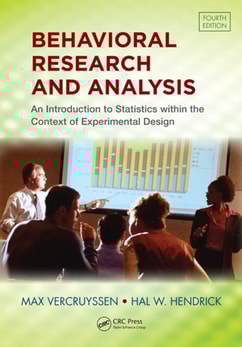
Now in its fourth edition, Behavioral Research and Analysis: An Introduction to Statistics within the Context of Experimental Design presents an overview of statistical methods within the context of experimental design.
In the almost ten years since the publication of the first edition of Motor Fleet Safety and Security Management, the availability of new methods of transportation has made travel faster, and consequently, safety and security have become more important and more complex.
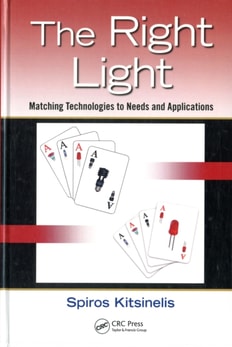
With the help of guides and tables, this book assists readers in making the right lighting technology choices for specific applications, introduces readers to the topic of dynamic lighting that can accommodate a range of needs and tasks under one system, and helps a variety of professionals (from local authorities to doctors) to design the appropriate living and working environments for a wide spectrum of people with special requirements.