Sustainable aviation fuels have the potential to make an essential contribution to decarbonizing the aviation sector and play an important role in strengthening the circular bioeconomy.
This monograph investigates the trajectory optimization problems of low- and finite-thrust aerospace vehicles and spacecraft using an indirect method based on the Pontryagin maximum principle, providing a methodological basis for the construction of numerical techniques that are superior in versatility and accuracy to direct methods.
MiG-21: Das bekannteste sowjetische FlugzeugTauchen Sie ein in die faszinierende Geschichte der Mikojan-Gurewitsch MiG-21, einem der meistgebauten Kampfflugzeuge!
Most lifting bodies, or "flying bathtubs" as they were called, were so ugly only an engineer could love them, and yet, what an elegant way to keep wings from burning off in supersonic flight between earth and orbit.
Solutions for Problems in Fluids and Turbomachinery offers a clear and practical approach to mastering complex topics in fluid mechanics and turbomachines.
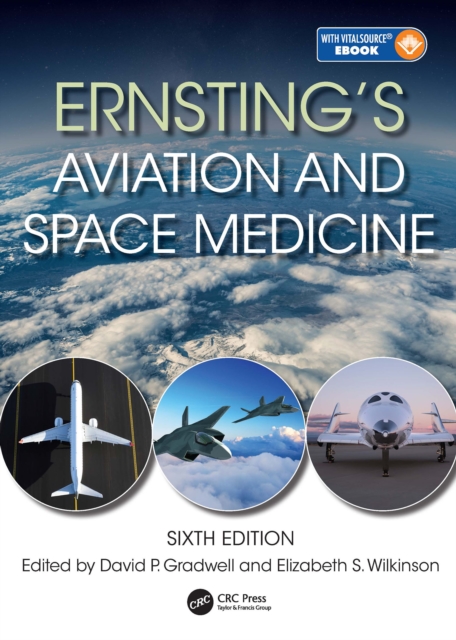
Ernsting's Aviation and Space Medicine applies current understanding in medicine, physiology and the behavioural sciences to the medical challenges and stresses that are faced by both civil and military aircrew, and their passengers, on a daily basis.
This book explains unmanned systems including Unmanned Aerial Vehicles (UAVs), Autonomous Underwater Vehicles (AUVs) and Unmanned Ground Vehicles (UGVs).
Pilots can encounter a range of hazardous weather conditions each time they conduct a flight; from icing, which can turn an aircraft into an ice block in a matter of minutes, to large hailstones that can come crashing through the windscreen.
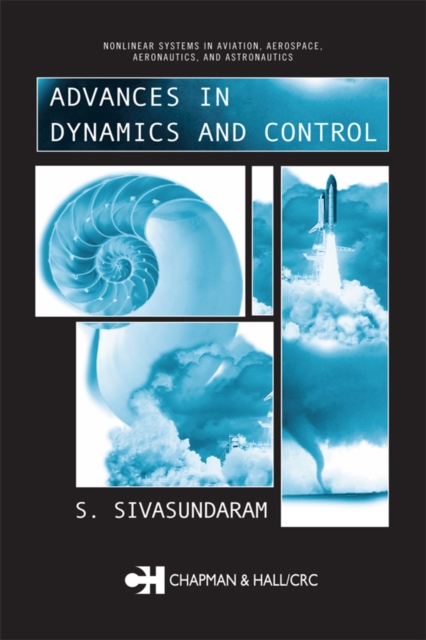
Presenting research papers contributed by experts in dynamics and control, Advances in Dynamics and Control examines new ideas, reviews the latest results, and investigates emerging directions in the rapidly-growing field of aviation and aerospace.
Despite generations of change and recent, rapid developments in gas dynamics and hypersonic theory, relevant literature has yet to catch up, so those in the field are generally forced to rely on dated monographs to make educated decisions that reflect present-day science.
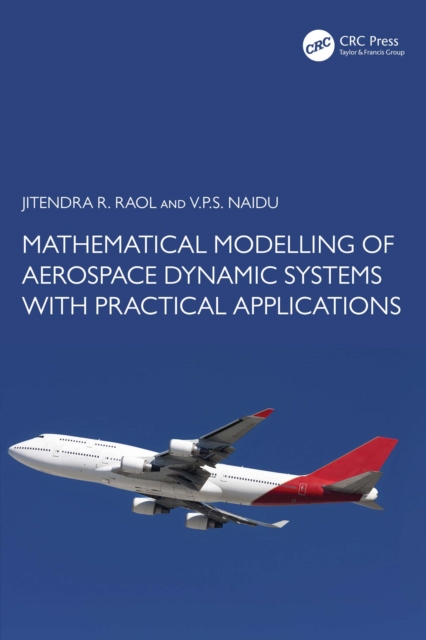
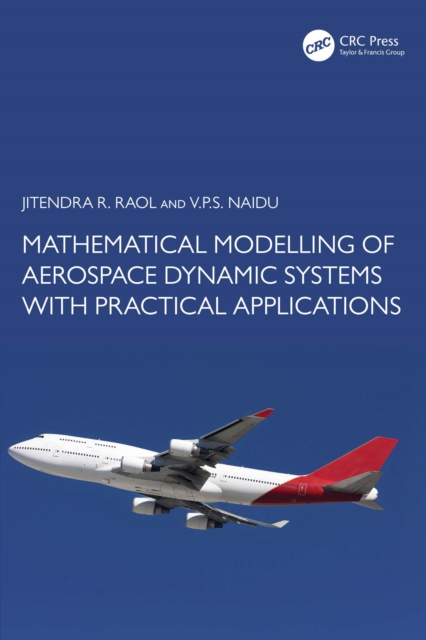
Mathematical Modelling of Aerospace Dynamic Systems with Practical Applications provides mathematical models for several aerospace dynamic systems: aircraft, rotorcraft, missiles, unmanned aerial vehicles (UAVs), mini air vehicles (MAVs), autonomous underwater vehicles (AUWVs), and satellite-coordinate systems.
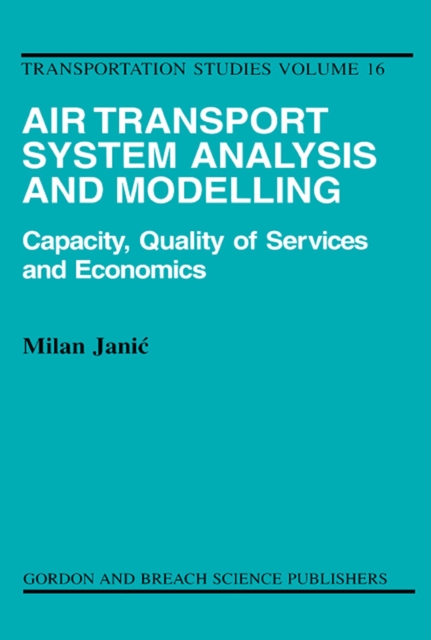
Presenting a comprehensive coverage, Air Transport System Analysis and Modelling is a unique text dealing with the analysis and modelling of the processes and operations carried out in all three parts of the air transport system, namely, airports, air traffic control and airlines.
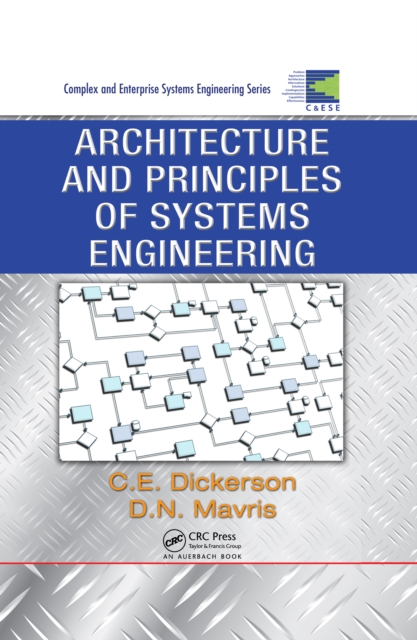
The rapid evolution of technical capabilities in the systems engineering (SE) community requires constant clarification of how to answer the following questions: What is Systems Architecture?
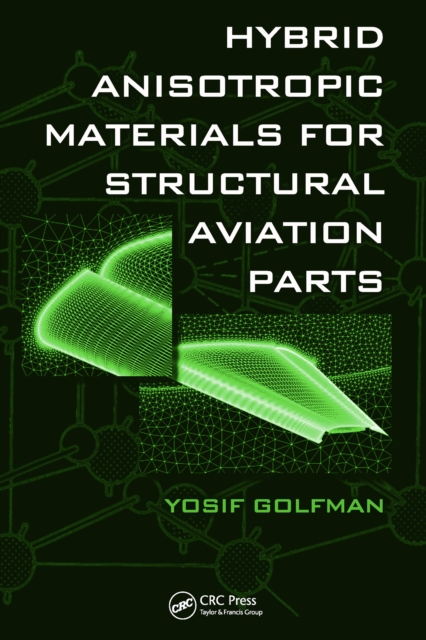
Optimization of aviation and space vehicle design requires accurate assessment of the dynamic stability and general properties of hybrid materials used in aviation parts.
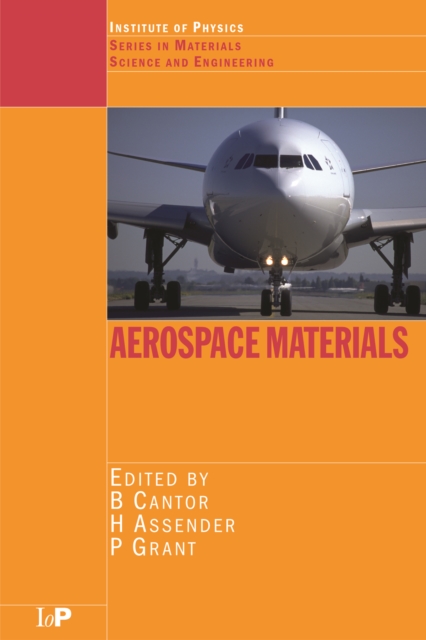
Aerospace Materials provides a grounding in state-of-the-art aerospace materials technology, including developments in aluminum, titanium, and nickel alloys, as well as polymers and polymer composites.
The chapters in the book come from an international group of authors with diverse backgrounds including ergonomics, psychology, architecture, computer science, engineering, and sociology.
Working knowledge of the relations of various quantities and their derivatives across a shock wave is useful for any advanced research involving shock waves.
Mathematical Modelling of Aerospace Dynamic Systems with Practical Applications provides mathematical models for several aerospace dynamic systems: aircraft, rotorcraft, missiles, unmanned aerial vehicles (UAVs), mini air vehicles (MAVs), autonomous underwater vehicles (AUWVs), and satellite-coordinate systems.
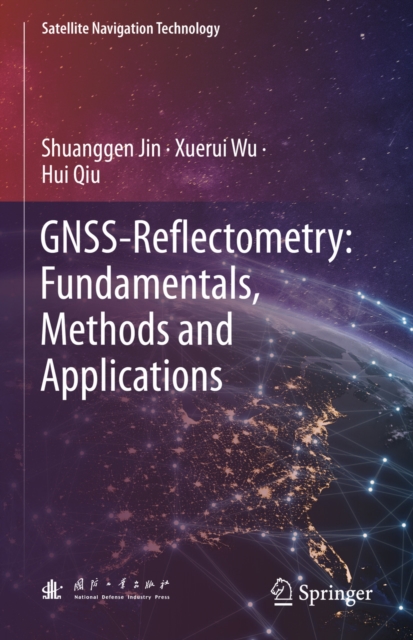
This book gives comprehensive introduction to the fundamentals, methods and applications of GNSS-Reflectometry (GNSS-R), including GNSS-R history, GNSS reflection signal characteristics, ground-based GNSS multipath reflectometry, interference pattern technology, delay Doppler map, space-based GNSS-R theory, ocean altimetry, hydrological remote sensing, vegetation monitoring and cryosphere remote sensing, etc.