This book is based on the findings, conclusions and recommendations of the Global Space Governance study commissioned by the 2014 Montreal Declaration that called upon civil society, academics, governments, the private sector, and other stakeholders to undertake an international interdisciplinary study.
This is the proceedings of the Second International Workshop on Flow Induced Noise and Vibration (FLINOVIA), which was held in Penn State, USA, in April 2016.
This book addresses the complex technical challenges presented by remote space mining in terms of robotics, remote power systems, space transport, IT and communications systems, and more.
Modern Flexible Multi-Body Dynamics Modeling Methodology for Flapping Wing Vehicles presents research on the implementation of a flexible multi-body dynamic representation of a flapping wing ornithopter that considers aero-elasticity.
Additive Manufacturing for the Aerospace Industry explores the design, processing, metallurgy and applications of additive manufacturing (AM) within the aerospace industry.
Analytical Solutions for Extremal Space Trajectories presents an overall treatment of the general optimal control problem, in particular, the Mayer's variational problem, with necessary and sufficient conditions of optimality.
Electro hydraulic Control Theory and Its Applications under Extreme Environment not only presents an overview on the topic, but also delves into the fundamental mathematic models of electro hydraulic control and the application of key hydraulic components under extreme environments.
Plasma Engineering, Second Edition, applies the unique properties of plasmas (ionized gases) to improve processes and performance over many fields, such as materials processing, spacecraft propulsion and nanofabrication.
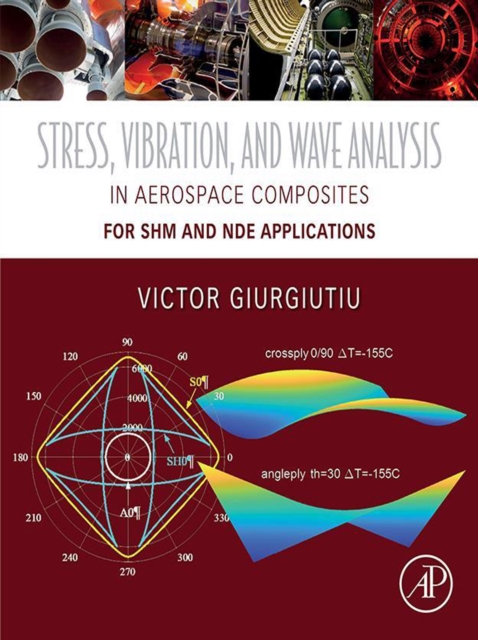
Stress, Vibration, and Wave Analysis in Aerospace Composites: SHM and NDE Applications presents a unified approach to studying and understanding stress, vibrations and waves in composite materials used in aerospace applications.
Energy Efficiency in Air Transportation explores the relationship between air transportation and energy use, starting with an analysis of air transport energy sources and their potential development.
Tethered Space Robot: Dynamics, Measurement, and Control discusses a novel tethered space robot (TSR) system that contains the space platform, flexible tether and gripper.
Air Traffic Management: Economics Regulation and Governance provides the latest insights on approaches and issues surrounding the economic regulation and governance of air traffic management (ATM).
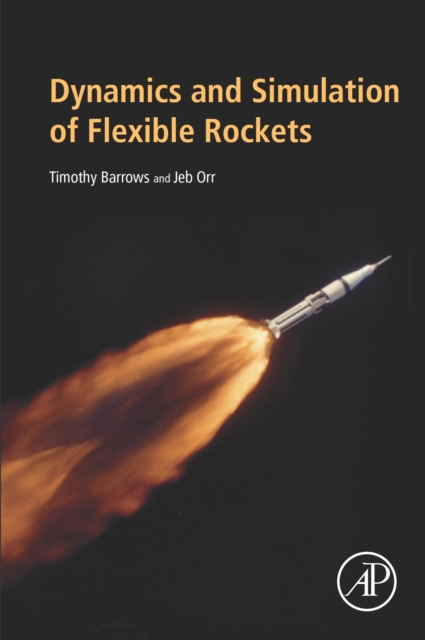
Dynamics and Simulation of Flexible Rockets provides a full state, multiaxis treatment of launch vehicle flight mechanics and provides the state equations in a format that can be readily coded into a simulation environment.
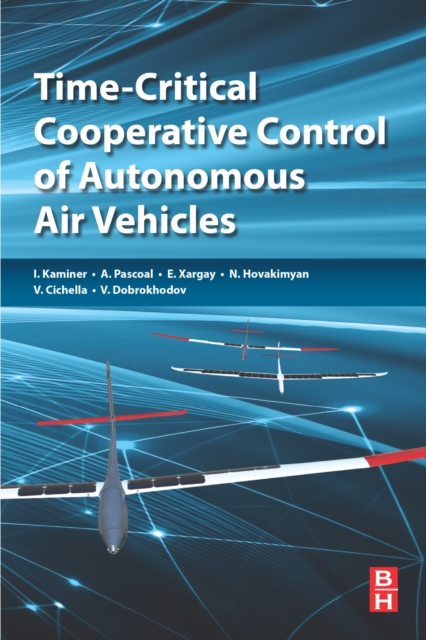
Time-Critical Cooperative Control of Autonomous Air Vehicles presents, in an easy-to-read style, the latest research conducted in the industry, while also introducing a set of novel ideas that illuminate a new approach to problem-solving.
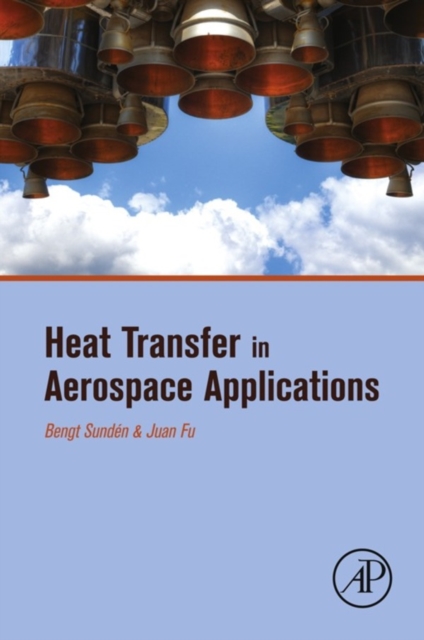
Heat Transfer in Aerospace Applications is the first book to provide an overall description of various heat transfer issues of relevance for aerospace applications.
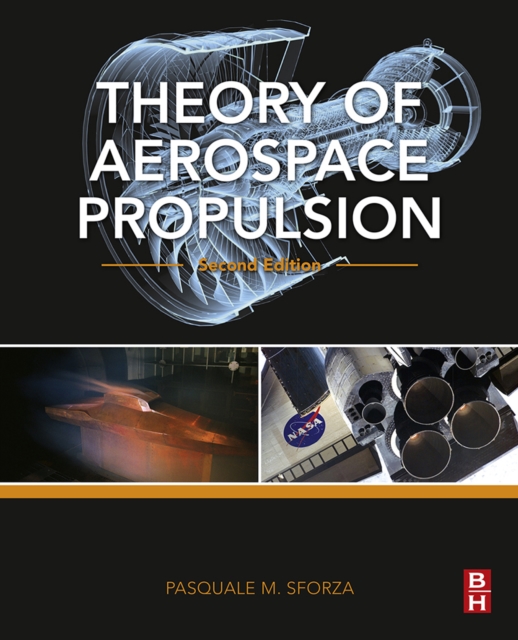
Theory of Aerospace Propulsion, Second Edition, teaches engineering students how to utilize the fundamental principles of fluid mechanics and thermodynamics to analyze aircraft engines, understand the common gas turbine aircraft propulsion systems, be able to determine the applicability of each, perform system studies of aircraft engine systems for specified flight conditions and preliminary aerothermal design of turbomachinery components, and conceive, analyze, and optimize competing preliminary designs for conventional and unconventional missions.
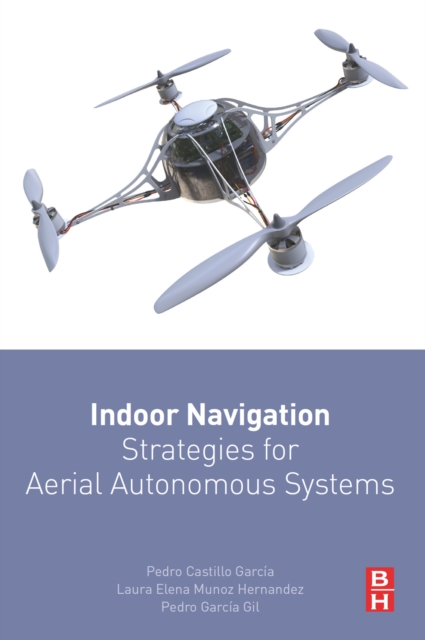
Indoor Navigation Strategies for Aerial Autonomous Systems presents the necessary and sufficient theoretical basis for those interested in working in unmanned aerial vehicles, providing three different approaches to mathematically represent the dynamics of an aerial vehicle.
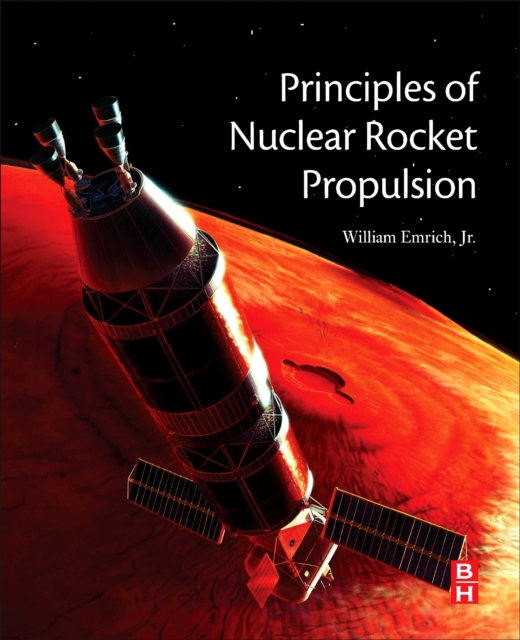
Principles of Nuclear Rocket Propulsion provides an understanding of the physical principles underlying the design and operation of nuclear fission-based rocket engines.
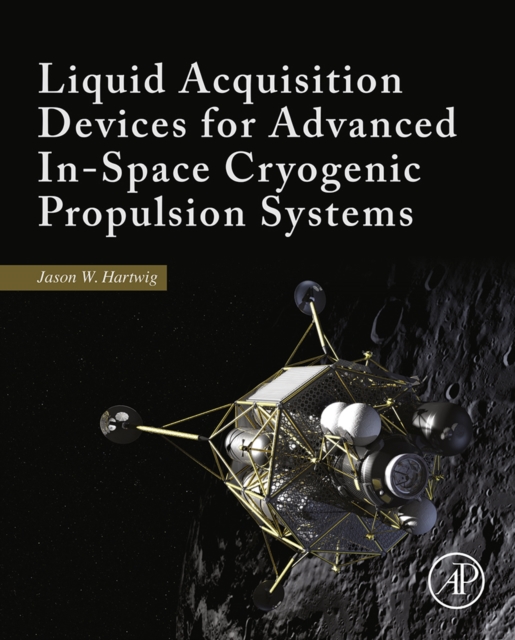
Liquid Acquisition Devices for Advanced In-Space Cryogenic Propulsion Systems discusses the importance of reliable cryogenic systems, a pivotal part of everything from engine propulsion to fuel deposits.
**Doody's Core Titles(R) 2024 in Occupational and Environmental Medicine**This third edition of Human Factors in Aviation and Aerospace is a fully updated and expanded version of the highly successful second edition.
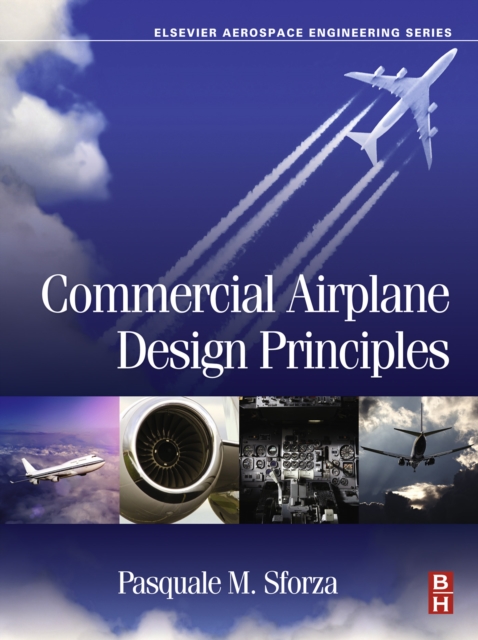
Commercial Airplane Design Principles is a succinct, focused text covering all the information required at the preliminary stage of aircraft design: initial sizing and weight estimation, fuselage design, engine selection, aerodynamic analysis, stability and control, drag estimation, performance analysis, and economic analysis.
Manned Spacecraft Design Principles presents readers with a brief, to-the-point primer that includes a detailed introduction to the information required at the preliminary design stage of a manned space transportation system.
Fundamentals of Aeroacoustics with Applications to Aeropropulsion Systems from the Shanghai Jiao Tong University Press Aerospace series, is the go-to reference on the topic, providing a modern take on the fundamental theory and applications relating to prediction and control of all major noise sources in aeropropulsion systems.
This book presents an up-to-date overview on the main classes of metallic materials currently used in aeronautical structures and propulsion engines and discusses other materials of potential interest for structural aerospace applications.
Vaughan unveils the complicated and high-pressure world of air traffic controllers as they navigate technology and political and public climates, and shows how they keep the skies so safe.
Model-driven Development for Embedded Software: Application to Communications for Drone Swarm describes the principles of model-oriented design used in the aeronautical field, specifically for the UAV (Unmanned Aerial Vehicle).
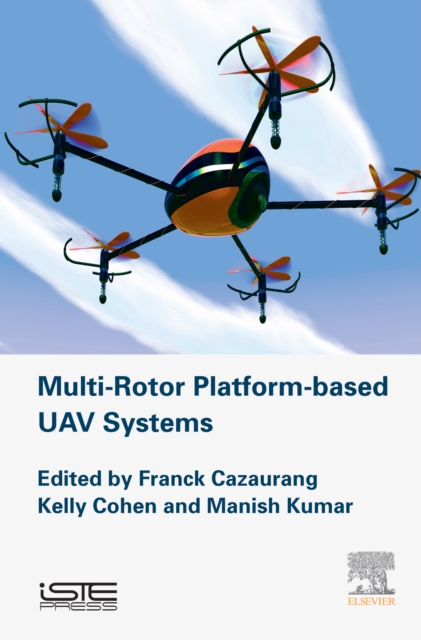
Multi-rotor Platform Based UAV Systems provides an excellent opportunity for experiential learning, capability augmentation and confidence-building for senior level undergraduates, entry-level graduates, engineers working in government agencies, and industry involved in UAV R&D.
Sustainable Composites for Aerospace Applications presents innovative advances in the fabrication, characterization and applications of LDH polymer nanocomposites.
Rigid Body Dynamics for Space Applications explores the modern problems of spaceflight mechanics, such as attitude dynamics of re-entry and space debris in Earth's atmosphere; dynamics and control of coaxial satellite gyrostats; deployment, dynamics, and control of a tether-assisted return mission of a re-entry capsule; and removal of large space debris by a tether tow.
Space Safety and Human Performance provides a comprehensive reference for engineers and technical managers within aerospace and high technology companies, space agencies, operators, and consulting firms.
Morphing Wings Technologies: Large Commercial Aircraft and Civil Helicopters offers a fresh look at current research on morphing aircraft, including industry design, real manufactured prototypes and certification.
Airworthiness: An Introduction to Aircraft Certification and Operations, Third Edition, once again proves to be a valuable, user-friendly reference guide for certification engineers engaged in professional training and practical work in regulatory agencies and aircraft engineering companies.
Civil Aircraft Electrical Power System Safety Assessment: Issues and Practices provides guidelines and methods for conducting a safety assessment process on civil airborne systems and equipment.
Aircraft Sustainment and Repair is a one-stop-shop for practitioners and researchers in the field of aircraft sustainment, adhesively bonded aircraft joints, bonded composites repairs, and the application of cold spray to military and civil aircraft.
Airworthiness: An Introduction to Aircraft Certification and Operations, Third Edition, once again proves to be a valuable, user-friendly reference guide for certification engineers engaged in professional training and practical work in regulatory agencies and aircraft engineering companies.
Structural Health Monitoring (SHM) in Aerospace Structures provides readers with the spectacular progress that has taken place over the last twenty years with respect to the area of Structural Health Monitoring (SHM).
Bird strikes are one of the most dangerous threats to civil and military flight safety: between 1960 and 2014, they were responsible for the destruction of approximately 150 civil aircraft and the deaths of 271 people.
Advanced Composite Materials for Aerospace Engineering: Processing, Properties and Applications predominately focuses on the use of advanced composite materials in aerospace engineering.
Flight dynamicists today need not only a thorough understanding of the classical stability and control theory of aircraft, but also a working appreciation of flight control systems and consequently a grounding in the theory of automatic control.