The study of flight dynamics requires a thorough understanding of the theory of the stability and control of aircraft, an appreciation of flight control systems and a comprehensive grounding in the theory of automatic control.
Marine Rudders and Control Surfaces guides naval architects from the first principles of the physics of control surface operation, to the use of experimental and empirical data and applied computational fluid dynamic modelling of rudders and control surfaces.
Magnetic storms may cause damage to satellites, radiation hazard to astronauts, disruption of radio communications, and interruption of ground electric power lines.
Since the original publication of 'Bramwell's Helicopter Dynamics' in 1976, this book has become the definitive text on helicopter dynamics and a fundamental part of the study of the behaviour of helicopters.
Since the last joint IAU and COSPAR Colloquium in Gainesville in 1995, there have been dramatic changes in the field resulting from in-situ space experiments, Earth orbiting satellites and ground based observations.
This comprehensive overview of chassis technology presents an up-to-date picture for vehicle construction and design engineers in education and industry.
This highly acclaimed series provides survey articles on the present state and future direction of research in important branches of applied solid and fluid mechanics.
This book brings together the large and scattered body of information on the theory and practice of engine testing, to which any engineer responsible for work of this kind must have access.
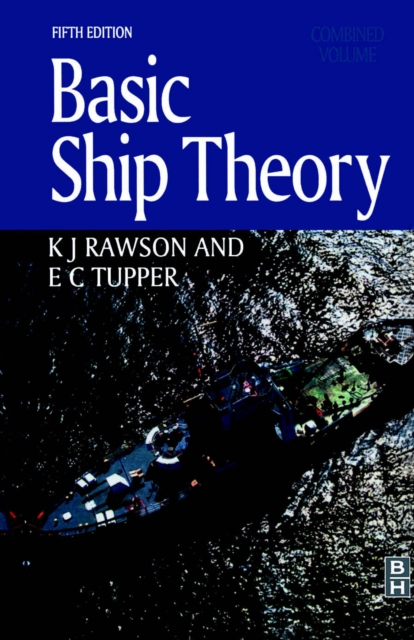
Rawson and Tupper's Basic Ship Theory, first published in 1968, is widely known as the standard introductory text for naval architecture students, as well as being a useful reference for the more experienced designer.
The demand is exploding for complete, integrated systems that sense, process, manipulate, and control complex entities such as sound, images, text, motion, and environmental conditions.
*** BARACK OBAMA'S SUMMER READING LIST 2024 ****** One of the New York Times Top Ten Books of 2024 ****** NEW YORK TIMES BESTSELLER ***'The story of Captain Cook s third voyage.
The Kemp and Young series provides a general introduction to a number of subject areas in a style that will be ideally suited for those wishing to learn more.
This second edition deals comprehensively with all aspects of a ship's machinery from propulsion and steering to deck machinery and electrical equipment with a strong emphasis upon correct and safe procedures.
In this volume of ASPA, devoted to developmental biology research, 9 authors from different fields of developmental biology present their investigations on various developing plant and animal models.
Aeronautical Engineer's Data Bookis an essential handy guide containing useful up to date information regularly needed by the student or practising engineer.
The selection of automobile body materials is fundamental to the choice of fabrication method, and the characteristics and performance of the final vehicle or component.
Multibody Systems Approach to Vehicle Dynamics aims to bridge a gap between the subject of classical vehicle dynamics and the general-purpose computer-based discipline known as multibody systems analysis (MBS).
Calculation and optimisation of flight performance is required to design or select new aircraft, efficiently operate existing aircraft, and upgrade aircraft.
ISO/TS 16949:2002 (TS2) will have a huge impact on the whole of the automobile industry as it formalises, under a single world-wide standard, the quality system that must be met by vehicle manufacturers and their suppliers.
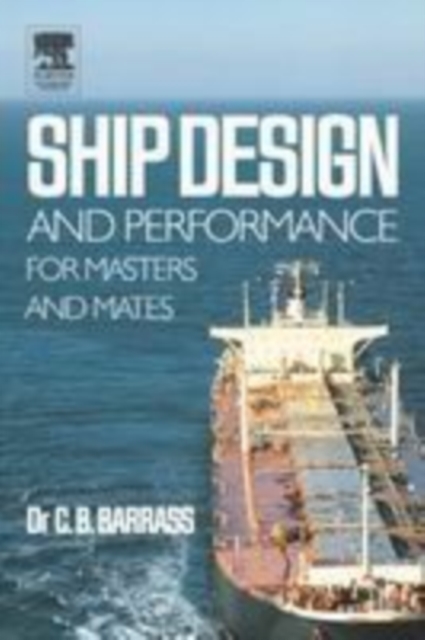
Ship Design and Performance for Masters and Mates is a quick to use, comprehensive reference that brings the key information needed to understand ship design and performance at your fingertips.
PRE-ORDER THE FASCINATING AND UNEXPECTED STORY OF THE ICONIC HARRIER JUMP JET, AND THE BRITISH ENGINEER WHO BUILT ITVictory in the Falklands War made the Harrier s name as a world-beating British icon, as capable of giving the enemy a bloody nose as it was of thrilling the crowds at airshows with its thunderous aerial ballet.