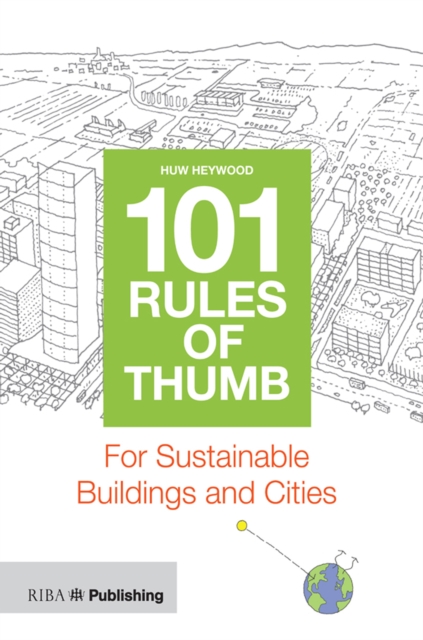
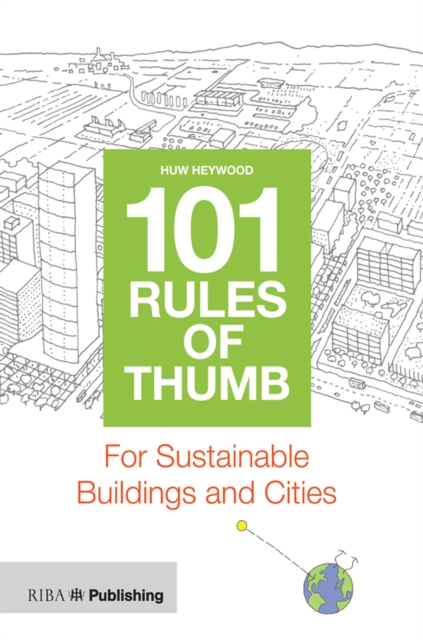
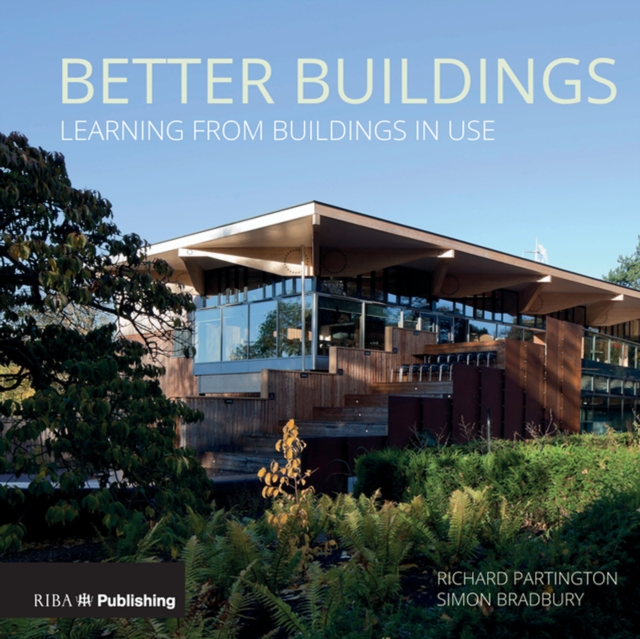
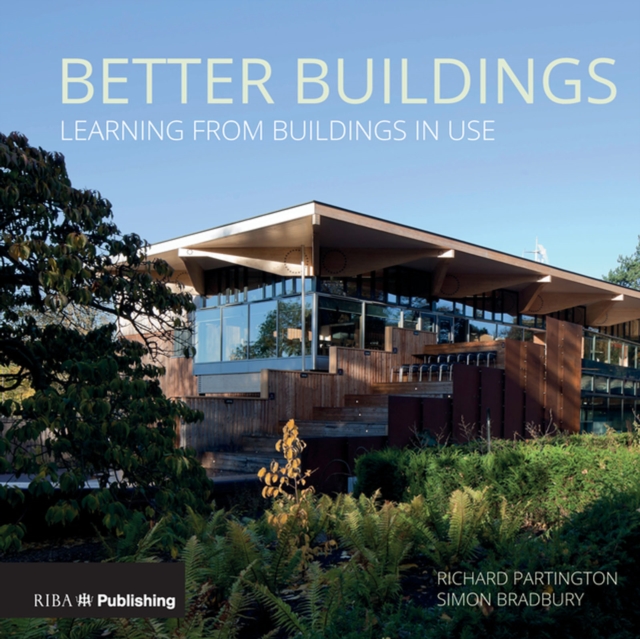
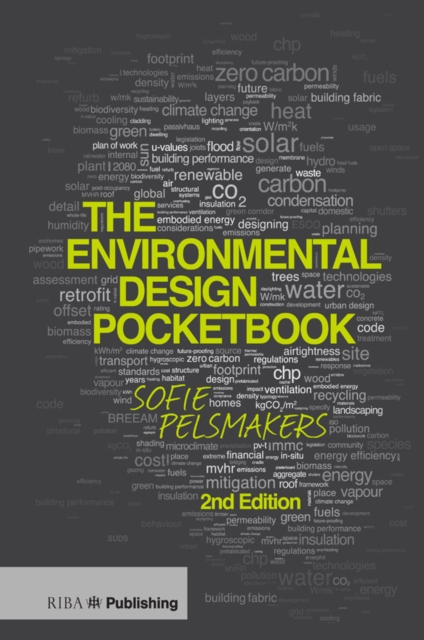
People across the world are becoming more aware of the need for the buildings and cities they live and work in to be sustainable, but the issue of how to be sustainable can seem a confusing and complex one.
People across the world are becoming more aware of the need for the buildings and cities they live and work in to be sustainable, but the issue of how to be sustainable can seem a confusing and complex one.
This book started life as a successor to Sustainable Architecture, published in 2007, which set out to prove that sustainable architecture can indeed both a lift the spirit as well as save the planet.
This book started life as a successor to Sustainable Architecture, published in 2007, which set out to prove that sustainable architecture can indeed both a lift the spirit as well as save the planet.
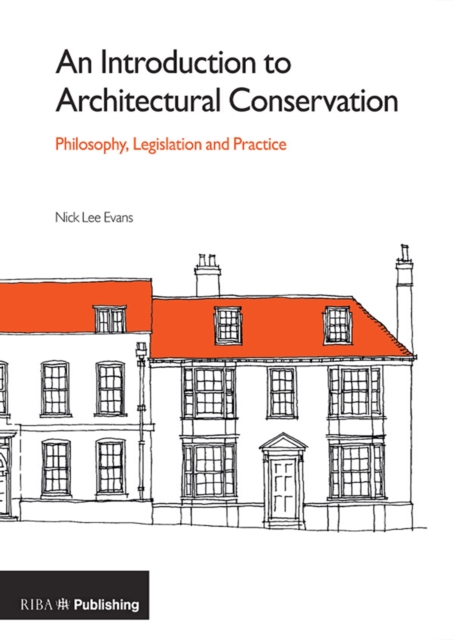
There are over half a million listed buildings in Britain, conservation areas can be found in every borough, and a large proportion of our housing stock pre-dates 1914.
Light in Architecture explores the role and use of light in and around buildings from the time that Stonehenge was built through to the present day, illustrating how a greater understanding of this intangible and free material will lead us to better architecture and, ultimately, improve our quality of life.
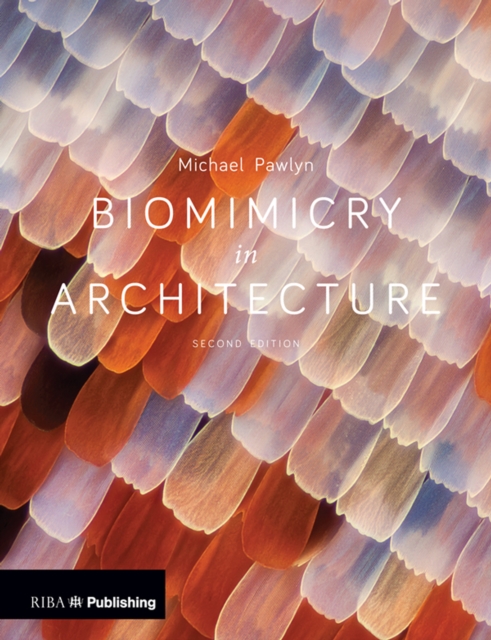
When searching for genuinely sustainable building design and technology - designs that go beyond conventional sustainability to be truly restorative - we often find that nature got there first.
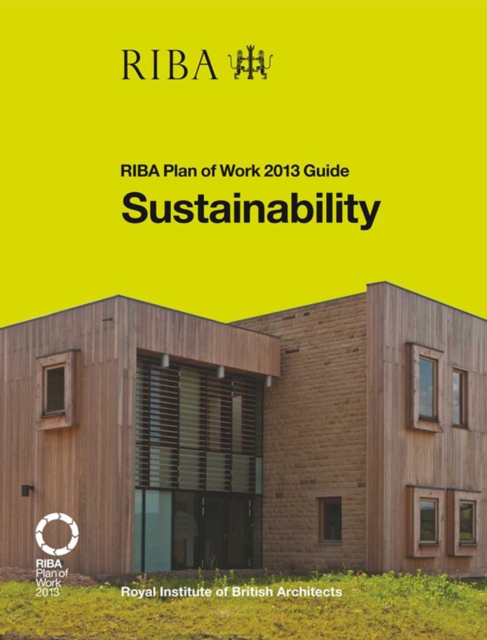
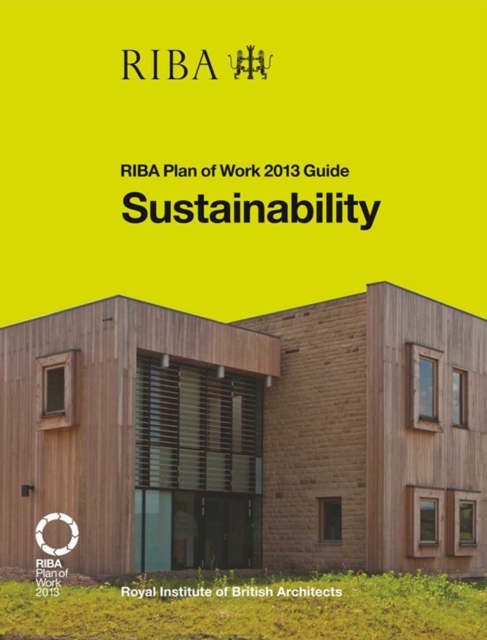
Sustainability is part of a brand new series providing must-read practical guidance to running efficient and successful projects using the new RIBA Plan of Work 2013.
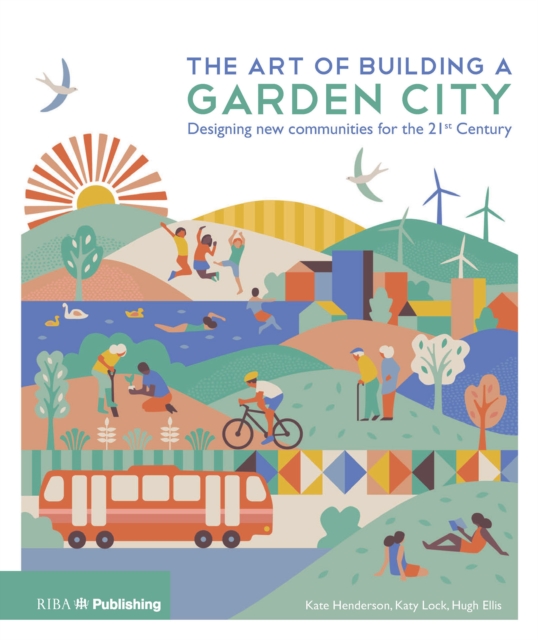
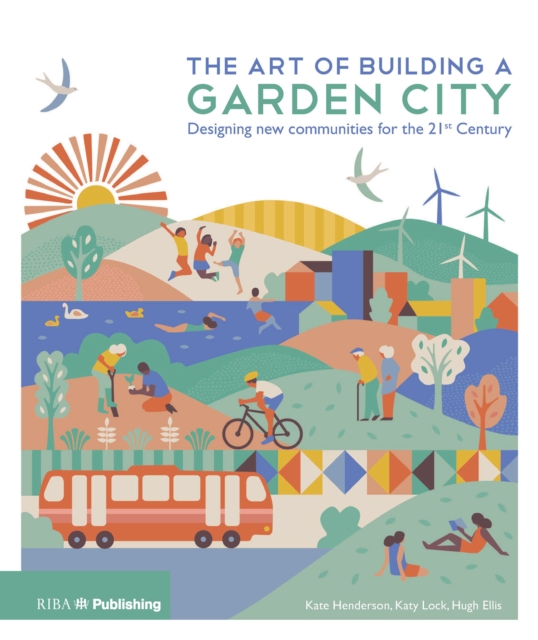
The Art of Building a Garden City is a well-researched guide to the history of the garden city movement and the delivery of a new generation of communities for the 21st Century.
There are over half a million listed buildings in Britain, conservation areas can be found in every borough, and a large proportion of our housing stock pre-dates 1914.
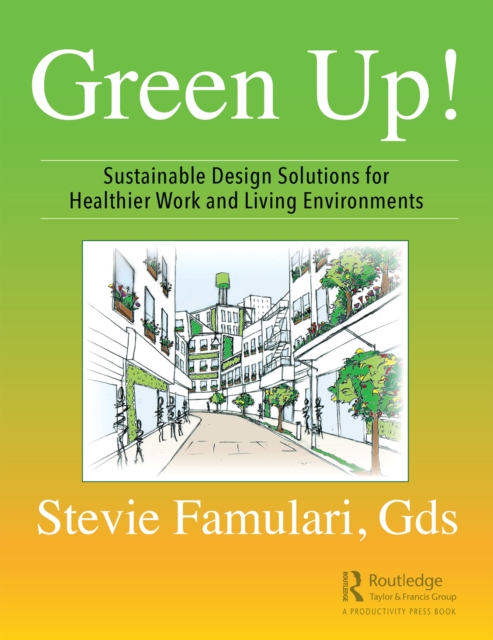
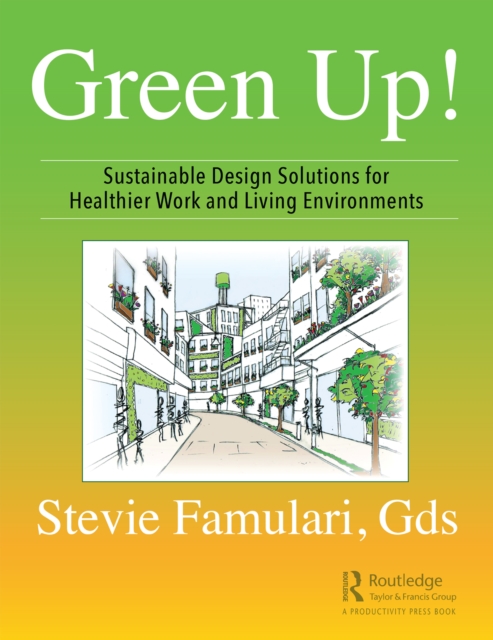
There are unique greening solutions and practices that help create a lifestyle shift, improving the health of living and working spaces for its occupants from a personal, business, environmental, and profitable perspective.
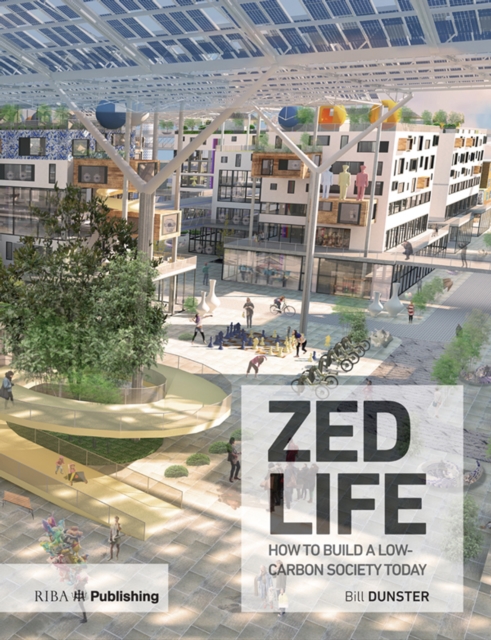
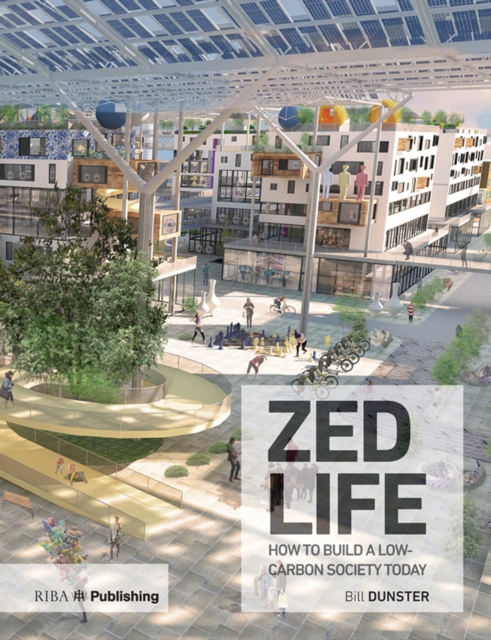
The argument for low-cost, zero-energy, zero-waste architecture has never been timelier, while the mainstream has largely abandoned or neglected this agenda: in the UK the recent mandatory zero-carbon performance targets for new homes have been postponed or forgotten at a time when thousands of new homes will be built, and there is already a shortage of electric generating capacity.
The Art of Building a Garden City is a well-researched guide to the history of the garden city movement and the delivery of a new generation of communities for the 21st Century.
Sustainability is part of a brand new series providing must-read practical guidance to running efficient and successful projects using the new RIBA Plan of Work 2013.
Light in Architecture explores the role and use of light in and around buildings from the time that Stonehenge was built through to the present day, illustrating how a greater understanding of this intangible and free material will lead us to better architecture and, ultimately, improve our quality of life.
The argument for low-cost, zero-energy, zero-waste architecture has never been timelier, while the mainstream has largely abandoned or neglected this agenda: in the UK the recent mandatory zero-carbon performance targets for new homes have been postponed or forgotten at a time when thousands of new homes will be built, and there is already a shortage of electric generating capacity.
When searching for genuinely sustainable building design and technology - designs that go beyond conventional sustainability to be truly restorative - we often find that nature got there first.
There are unique greening solutions and practices that help create a lifestyle shift, improving the health of living and working spaces for its occupants from a personal, business, environmental, and profitable perspective.
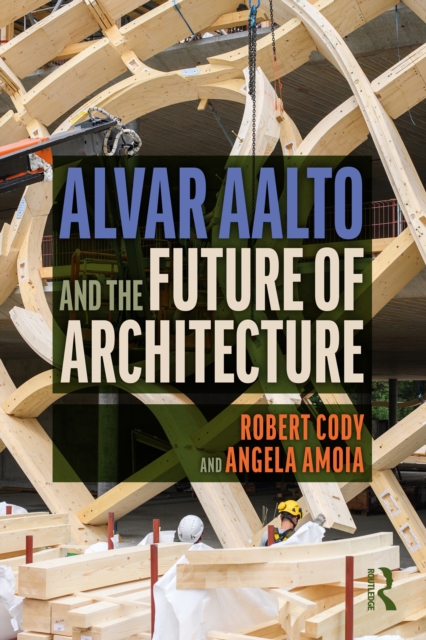
In the contemporary practice of architecture, digital design and fabrication are emergent technologies in transforming how architects present a design and form a material strategy that is responsible, equitable, sustainable, resilient, and forward-looking.
In the contemporary practice of architecture, digital design and fabrication are emergent technologies in transforming how architects present a design and form a material strategy that is responsible, equitable, sustainable, resilient, and forward-looking.
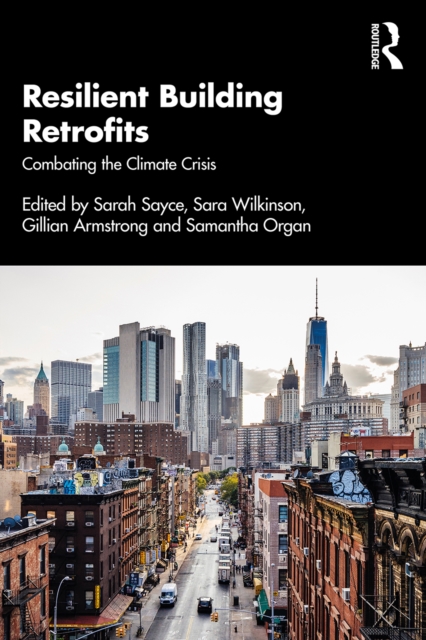
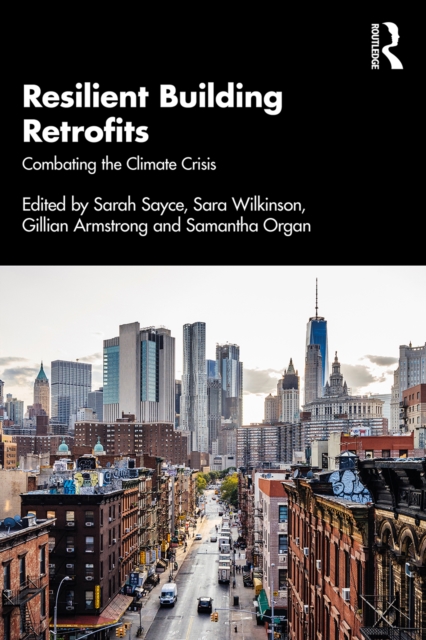
This radical book aims to inject new insight and urgency into the discourse on the retrofitting of commercial and residential buildings in the face of the climate emergency.
This radical book aims to inject new insight and urgency into the discourse on the retrofitting of commercial and residential buildings in the face of the climate emergency.
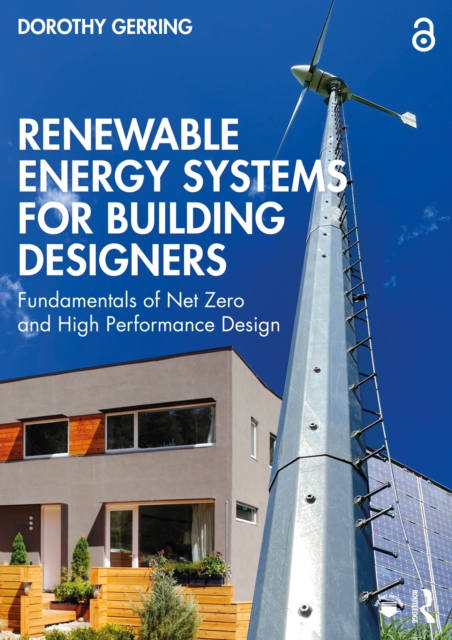
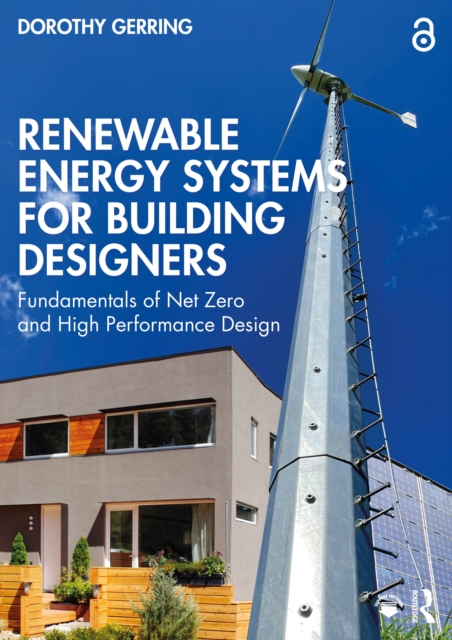
Renewable Energy Systems for Building Designers presents a comprehensive introduction to the latest resources and technologies used in high performance and net zero energy buildings, with a practical focus on the design and integration of these systems.
Renewable Energy Systems for Building Designers presents a comprehensive introduction to the latest resources and technologies used in high performance and net zero energy buildings, with a practical focus on the design and integration of these systems.
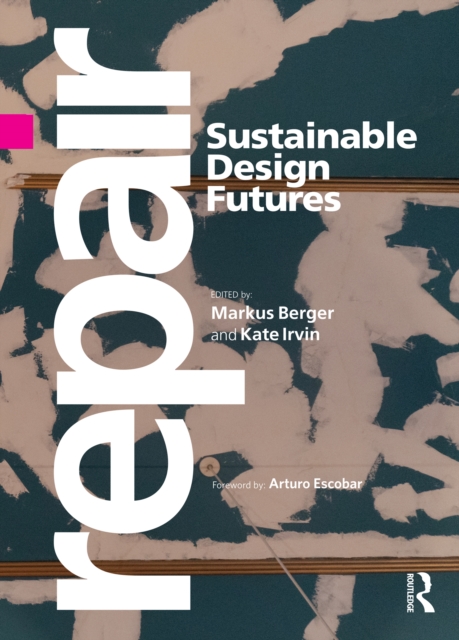
A collection of timely new scholarship, Repair: Sustainable Design Futures investigates repair as a contemporary expression of empowerment, agency, and resistance to our unmaking of the world and the environment.
A collection of timely new scholarship, Repair: Sustainable Design Futures investigates repair as a contemporary expression of empowerment, agency, and resistance to our unmaking of the world and the environment.
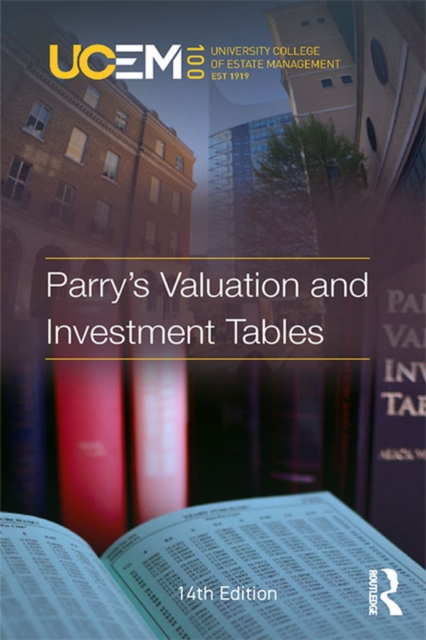
First published in 1913, Richard Parry's Valuation and Investment Tables has since become an essential tool for students and professionals in the study and practice of valuation and appraisal.
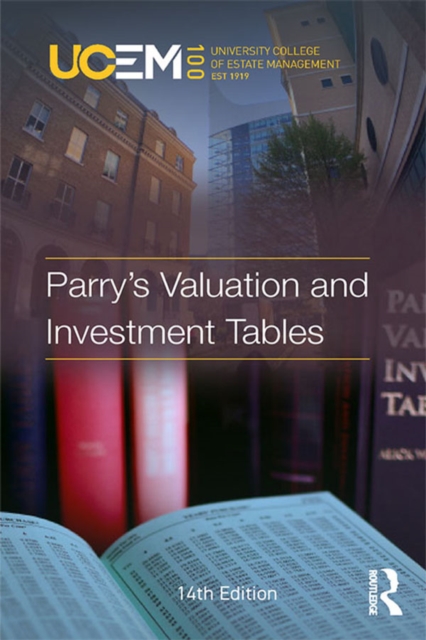
First published in 1913, Richard Parry's Valuation and Investment Tables has since become an essential tool for students and professionals in the study and practice of valuation and appraisal.
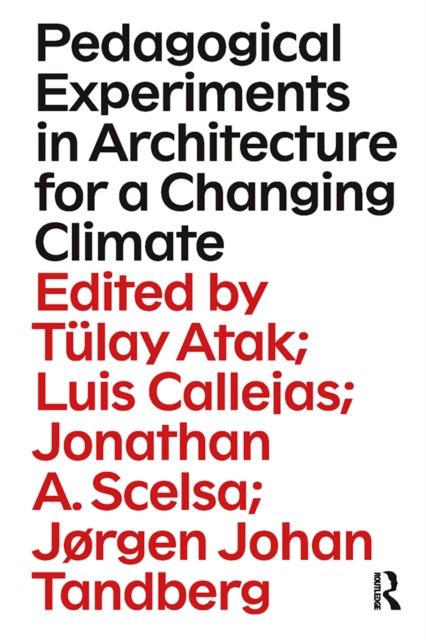
This book presents a series of pedagogical experiments translating climate science, environmental humanities, material research, ecological practices into the architectural curriculum.
This book presents a series of pedagogical experiments translating climate science, environmental humanities, material research, ecological practices into the architectural curriculum.