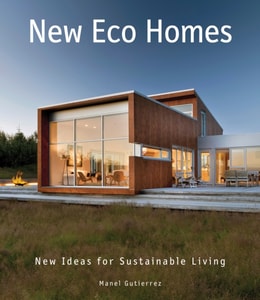
Featuring an extensive collection of full-color photographs, 150 Best Eco House Ideas features eco-friendly house designs created by internationally renowned architects and designers who have achieved practical, innovative, and stunning solutions adapted to the specific needs and tastes of their clients.
"e;Brown's book Just Enough is a compelling account of how Edo Japan confronted similar environmental problems and created solutions that connected farms and cities, people and nature.
During a two-year urban adventure through the world of commerce, journalist Alex Frankel proudly wore the brown uniform of the UPS driver, folded endless stacks of T-shirts at Gap, brewed espressos for the hordes at Starbucks, interviewed (but failed to get hired) at Whole Foods, enrolled in management training at Enterprise Rent-A-Car, and sold iPods at the Apple Store.
This book outlines, within the Italian national framework, the current and potential paths oriented towards a new concept of Architectural Heritage, through actions referring to Innovation and Experimentation and Protection and Transformation of the Architectural Heritage.
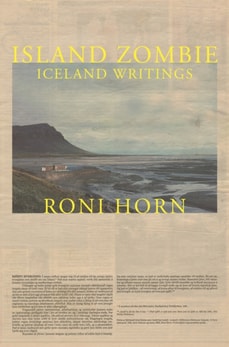
An evocative chronicle of the power of solitude in the natural worldI'm often asked, but have no idea why I chose Iceland, why I first started going, why I still go.
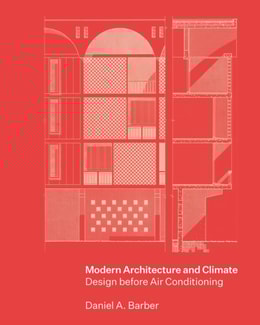
How climate influenced the design strategies of modernist architectsModern Architecture and Climate explores how leading architects of the twentieth century incorporated climate-mediating strategies into their designs, and shows how regional approaches to climate adaptability were essential to the development of modern architecture.
A History of Artificially Intelligent Architecture: Case Studies from the USA, UK, Europe and Japan, 1949-1987 provides a comprehensive survey of architectural projects exhibiting intelligence since the Late First Century right up to the present day.
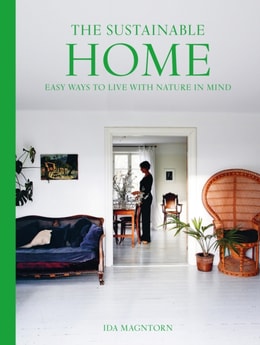
Handy and inspirational tips and lists - how to reduce plastic consumption, clean with eco-friendly products and working with the seasons to bring the outdoors inside.
The environment is increasingly recognized as having a powerful effect on human and ecological health, as well as on specific types of human morbidity, mortality, and disability.
In this volume, the National Research Council examines problems arising throughout government-owned, contractor-operated facilities in the United States engaged in activities to build nuclear weapons.
Buildings and other public facilities can have very long and productive service lives, providing efficient shelter and serving a wide range of activities.
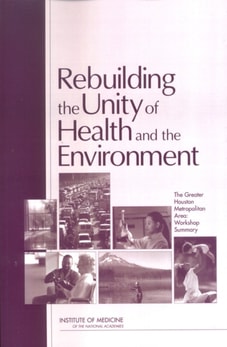
Houston is struggling with many of the environmental problems that most of the nation's major metropolitan areas are struggling with - transportation, water and air pollution, flooding, and major demographic changes.
The environment is increasingly recognized as having a powerful effect on human and ecological health, as well as on specific types of human morbidity, mortality, and disability.
Houston is struggling with many of the environmental problems that most of the nation's major metropolitan areas are struggling with - transportation, water and air pollution, flooding, and major demographic changes.
Reimagining Our Cities for a Greener TomorrowDive into the transformative world of sustainable architecture and urban planning with Green Horizons: The Revolution of Eco-Friendly Architecture and Urban Planning.
As global demand for energy grows and prices rise, a city's energy consumption becomes increasingly tied to its economic viability, warns the author of The Very Hungry City.
Using the lens of nutrition security and equity for the living beings and living systems of the planet, Nutrition Security for Planetary Health takes an integrated, systems approach that not only delineates the antecedents of the multifaceted environmental crises-but offers solutions including the extensive co-benefits of whole plant foods nutrition as the foundational dietary pattern for improving planetary health.
Carved out of century-old farmland near Chicago, the Prairie Crossing development is a novel experiment in urban public policy that preserves 69 percent of the land as open space.
Fundamentals of Building Performance Simulation, Second Edition pares the theory and practice of a multi-disciplinary field to the essentials for classroom learning and real-world applications.
The 49% Architect, 51% Entrepreneur: A Blueprint for Entrepreneurship in Architecture will inspire architects and aspiring architects with its insights into the visionaries of the past and a look to the future of architectureand sustainability, the planet, and an urgent call to global stewardship of our fragile world.
Fundamentals of Building Performance Simulation, Second Edition pares the theory and practice of a multi-disciplinary field to the essentials for classroom learning and real-world applications.
Liquid Architecture challenges the idea of architecture as a fixed, inert container and reconceptualises it as a body whose boundaries are rather blurred and ever-changing.
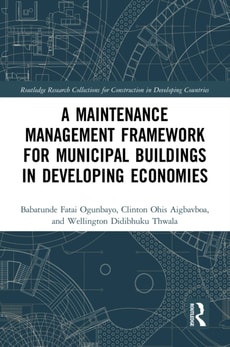
The central aim of this book is to investigate and develop frameworks to aid effective maintenance management of municipal buildings in the education sector of developing economies.
Provides an authoritative account of urban land reform in China, which is unique in merging the existing socialist landowner system with market mechanisms.
Industrial Decarbonization: Materials, Methods, and Developments offers a timely and in-depth exploration of the technologies and strategies reshaping high-emission industries in the global push toward carbon neutrality.