This book is the first comprehensive overview of Buddhist architecture in North America and provides an analysis of Buddhist architecture and communities.
This book is the first comprehensive overview of Buddhist architecture in North America and provides an analysis of Buddhist architecture and communities.
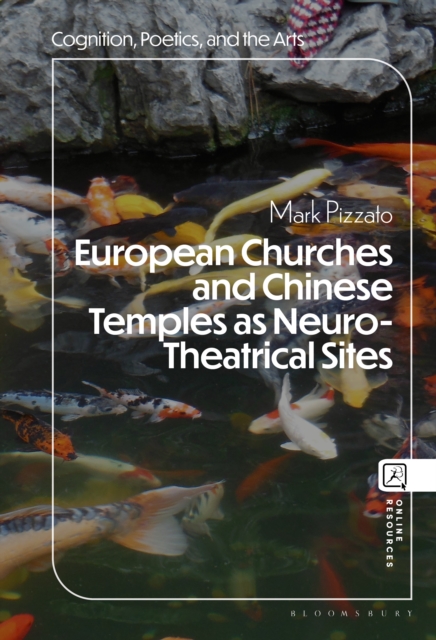
Compares monumental designs and performance spaces of Christian, Buddhist, and related sanctuaries, exploring how brain networks, animal-human emotions, and cultural ideals are reflected historically and affected today as "e;inner theatre"e; elements.
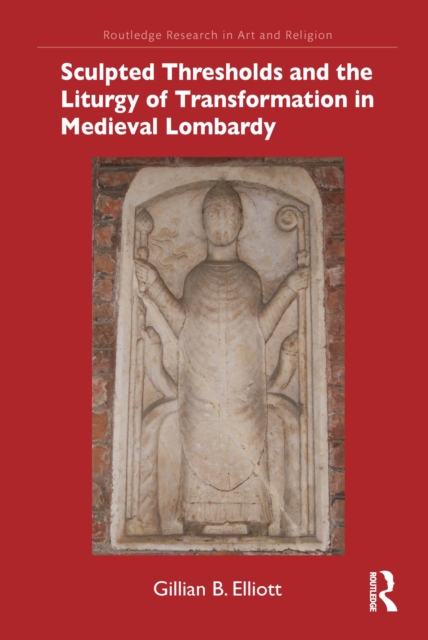
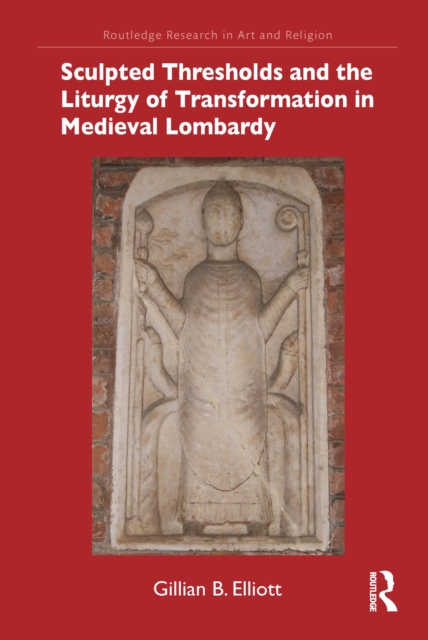
This book explores the issue of ecclesiastical authority in Romanesque sculpture on the portals and other sculpted "e;gateways"e; of churches in the north Italian region of Lombardy.
This book explores the issue of ecclesiastical authority in Romanesque sculpture on the portals and other sculpted "e;gateways"e; of churches in the north Italian region of Lombardy.
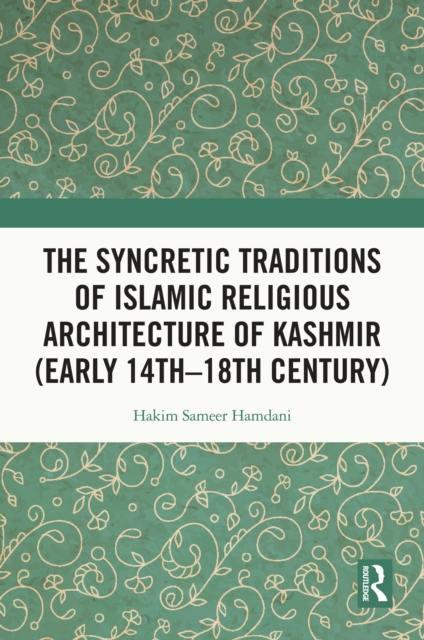
This book traces the historical identity of Kashmir within the context of Islamic religious architecture between early fourteenth and mid-eighteenth century.
This book traces the historical identity of Kashmir within the context of Islamic religious architecture between early fourteenth and mid-eighteenth century.
This book provides a comprehensive study on the proclamation of Holy Scriptures as an enacted celebration, as well as its function as a performance within sacralized theatrical spaces.
This book provides a comprehensive study on the proclamation of Holy Scriptures as an enacted celebration, as well as its function as a performance within sacralized theatrical spaces.
This book looks at art historical explorations, matters of archival legitimacy, the survival of fakes and forgeries and many other aspects of Jewish art.
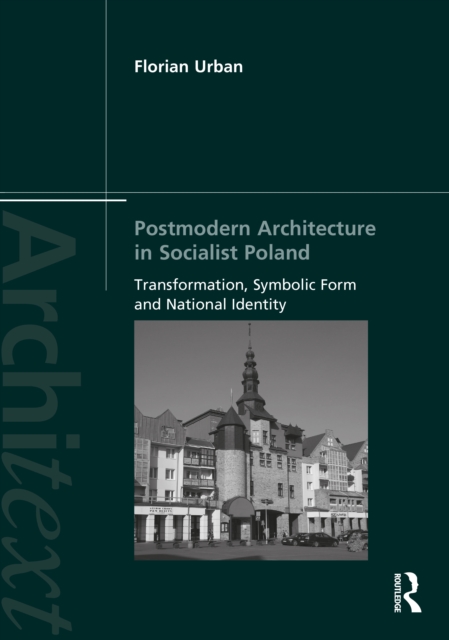
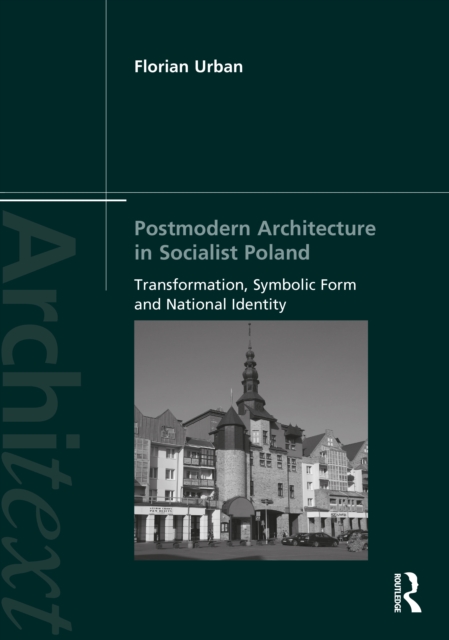
Garish churches, gabled panel blocks, neo-historical tenements-this book is about these and other architectural oddities that emerged in Poland between 1975 and 1989, a period characterised by the decline of the authoritarian socialist regime and waves of political protest.
Garish churches, gabled panel blocks, neo-historical tenements-this book is about these and other architectural oddities that emerged in Poland between 1975 and 1989, a period characterised by the decline of the authoritarian socialist regime and waves of political protest.
This book looks at art historical explorations, matters of archival legitimacy, the survival of fakes and forgeries and many other aspects of Jewish art.
Originally published in 1958, The Cathedral is a verse sequence evoking the spirit of an English cathedral and the characters associated with its history.
Originally published in 1958, The Cathedral is a verse sequence evoking the spirit of an English cathedral and the characters associated with its history.
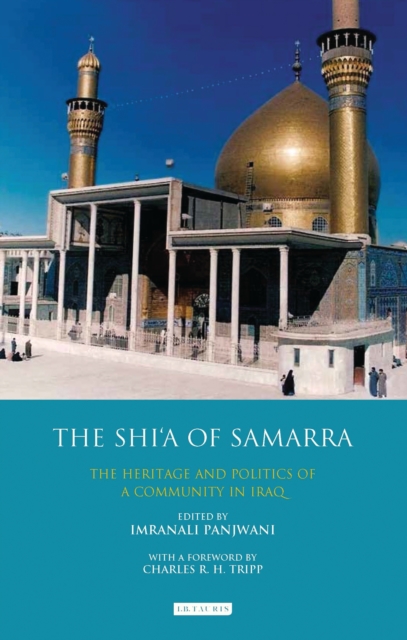
The assault on Samarra, which was built in the period of the Abbasid caliphate in the ninth century CE, therefore came to represent for many a symbol of the destructive civil conflict which engulfed Iraq following the 2003 US-led invasion.
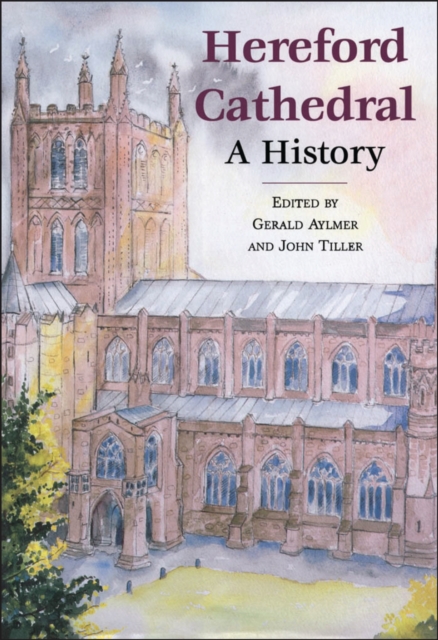
Unique in its possession of a chained library and of the Mappa Mundi, Hereford Cathedral is remarkable for its architecture, its long history and its musical tradition.
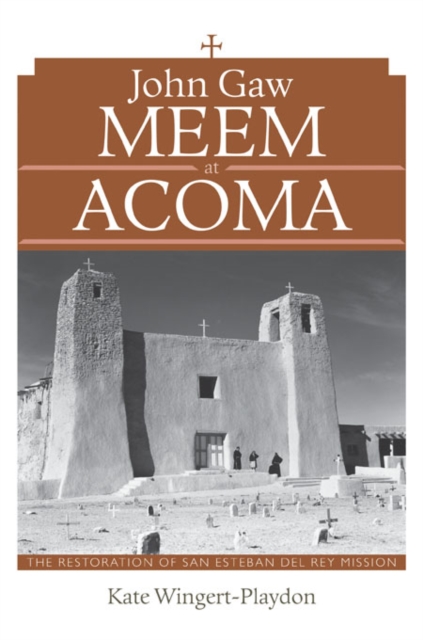
Built by Spanish Franciscan missionaries in the seventeenth century, the magnificent mission church at Acoma Pueblo in west-central New Mexico is the oldest and largest intact adobe structure in North America.
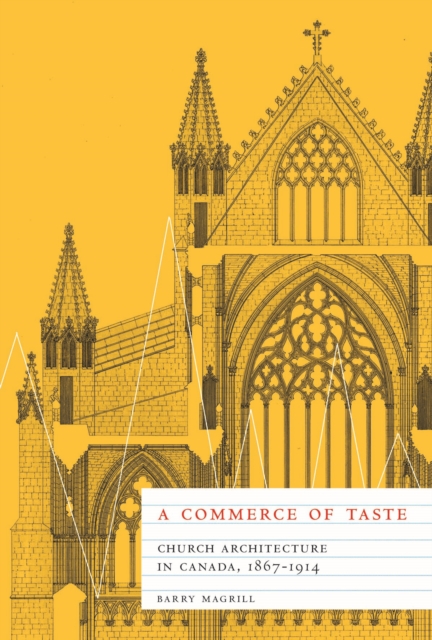
In the late-nineteenth century the circulation of pattern books featuring medieval church architecture in England facilitated an unprecedented spread of Gothic revival churches in Canada.
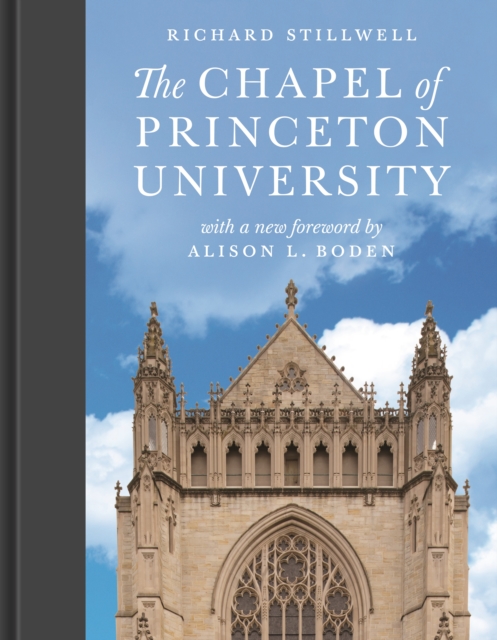
The classic guide to one of America's architectural treasures-now with magnificent new color photos and a foreword by Princeton's dean of religious lifeLike the medieval English cathedrals that inspired it, the Princeton University Chapel is an architectural achievement designed to evoke wonder, awe, and reflection.
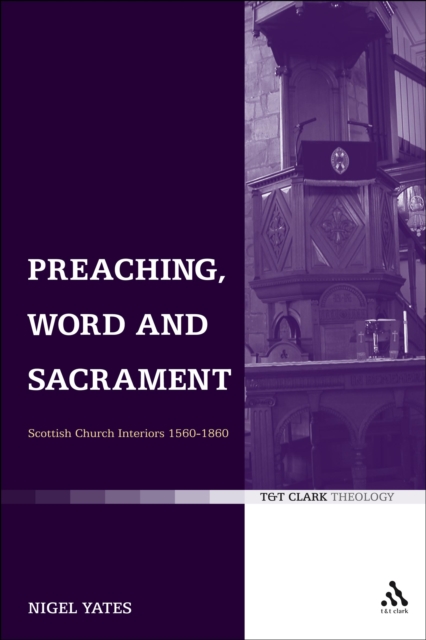
This study follows on from Yate's standard work Buildings, Faith and Worship: the Liturgical Arrangement of Anglican Churches 1600-1900 (OUP 1991, revised edition 2000) and Liturgical Space in Western Europe since the Reformation (Ashgate, 2008) to provide the first detailed study of Scottish post-Reformation church interiors for fifty years.
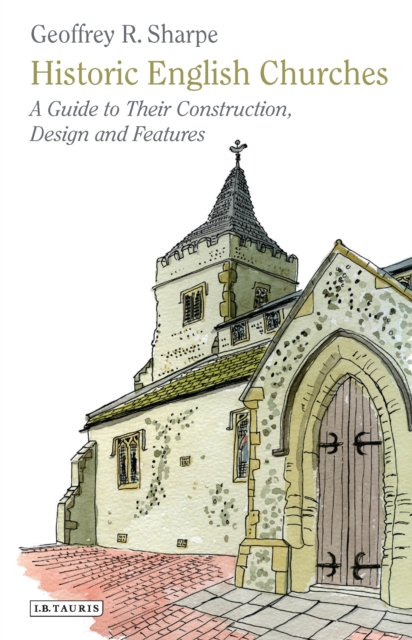
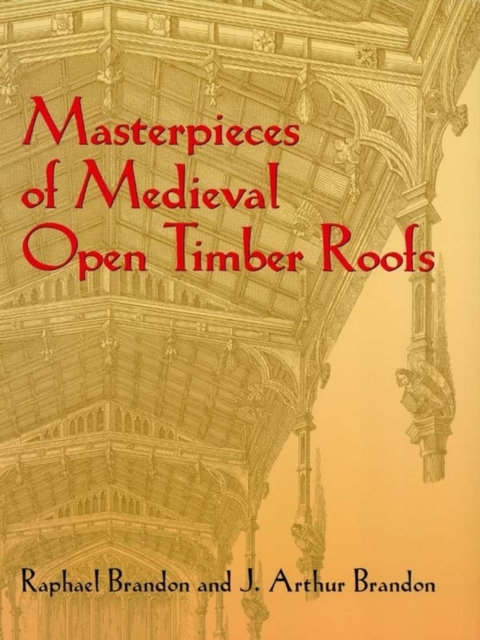
Excellently framed and designed, with bold, receding arches, the open timber roofs of the medieval period featured massive moldings, carved timbers, and intricate tracery.