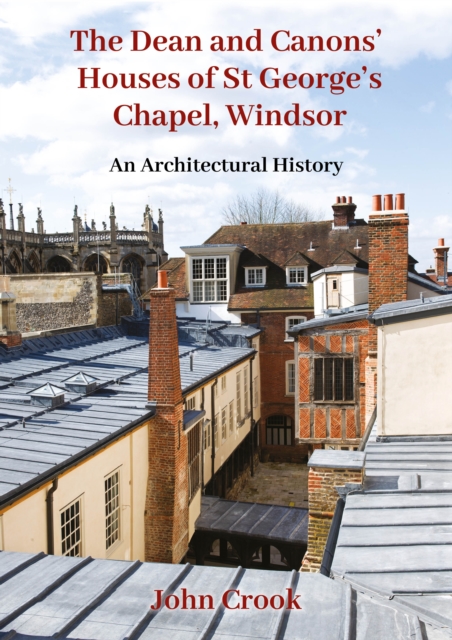
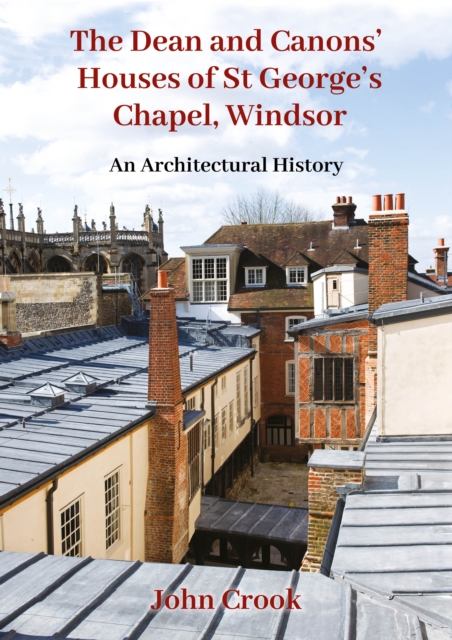
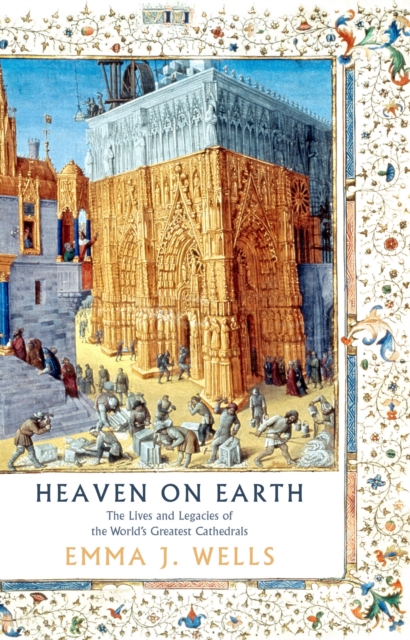
The College of St George at Windsor Castle was founded by Edward III in 1348 to support the newly created Order of the Garter, and to this day fulfills the same primary purpose.
The College of St George at Windsor Castle was founded by Edward III in 1348 to support the newly created Order of the Garter, and to this day fulfills the same primary purpose.
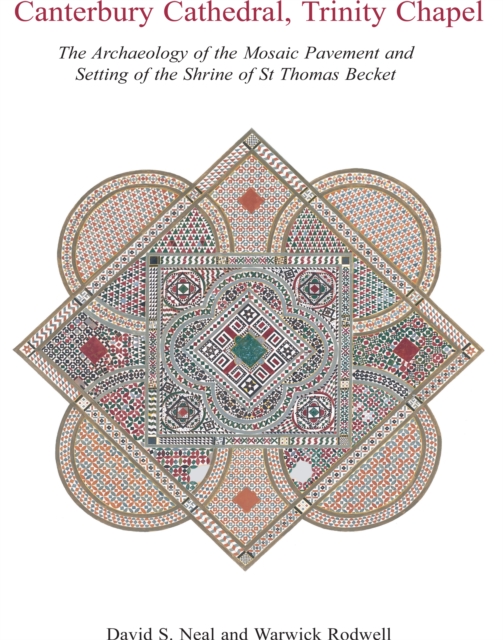
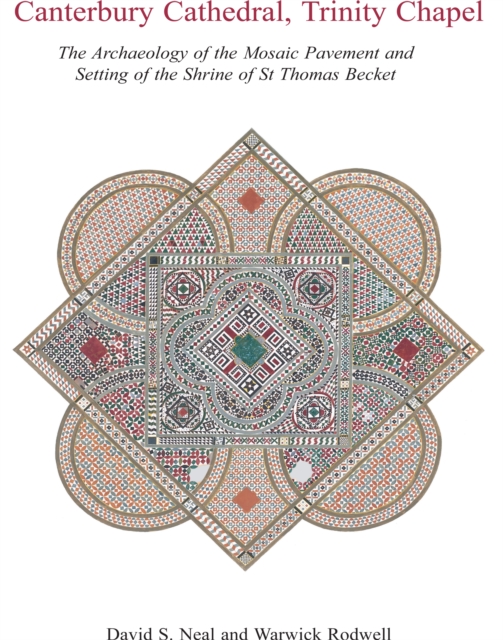
Canterbury Cathedral possesses a unique marble mosaic pavement, dating from the early twelfth century, which has long intrigued scholars and been the subject of speculation and debate.
Canterbury Cathedral possesses a unique marble mosaic pavement, dating from the early twelfth century, which has long intrigued scholars and been the subject of speculation and debate.
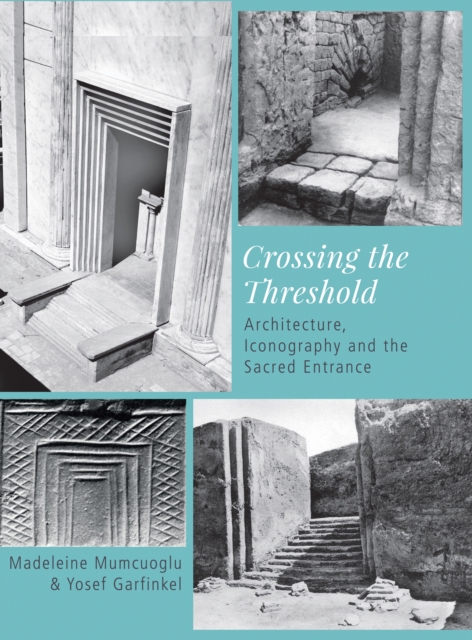
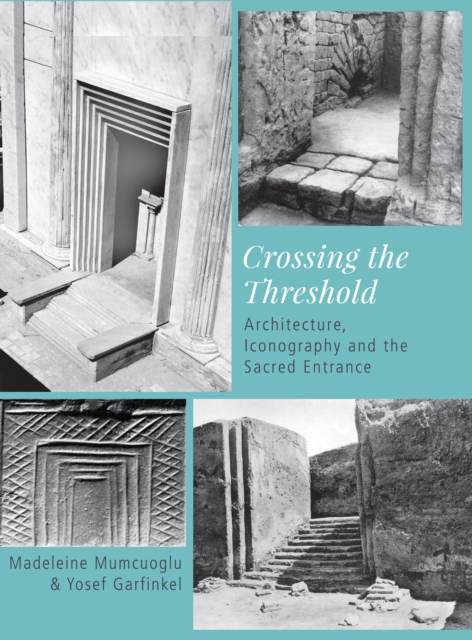
Every day millions of people enter public buildings of many forms and functions: Notre-Dame in Paris, Grand Central Station in New York, the British Museum in London, that are decorated with recessed doorways.
Every day millions of people enter public buildings of many forms and functions: Notre-Dame in Paris, Grand Central Station in New York, the British Museum in London, that are decorated with recessed doorways.
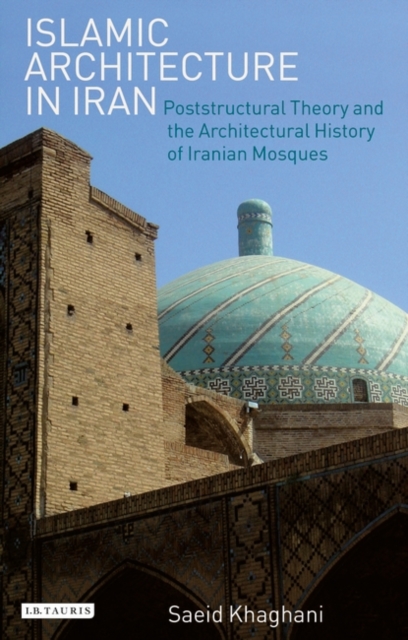
The architecture of the Islamic world is predominantly considered in terms of a dual division between 'tradition' and 'modernity' - a division which, Saeid Khaghani here argues, has shaped and limited the narrative applied to this architecture.
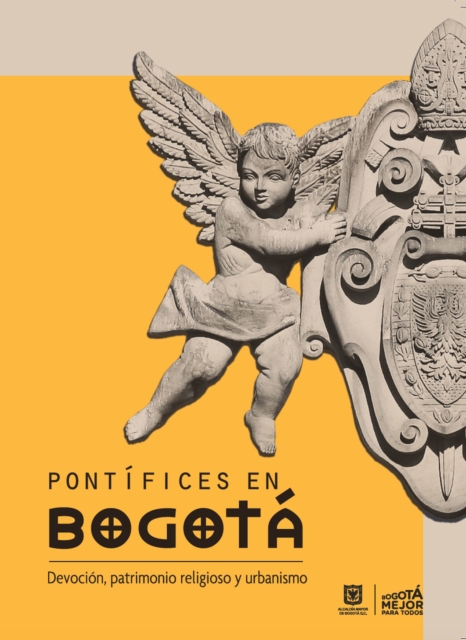
El 1969 cuando el Museo de Desarrollo Urbano (hoy Museo de Bogotá) abrió sus puertas, el alcalde Virgilio Barco Vargas en su discurso de inauguración pronunció las siguientes palabras: "quiero hacer mención de un salón especial dedicado al Congreso Eucarístico Internacional.
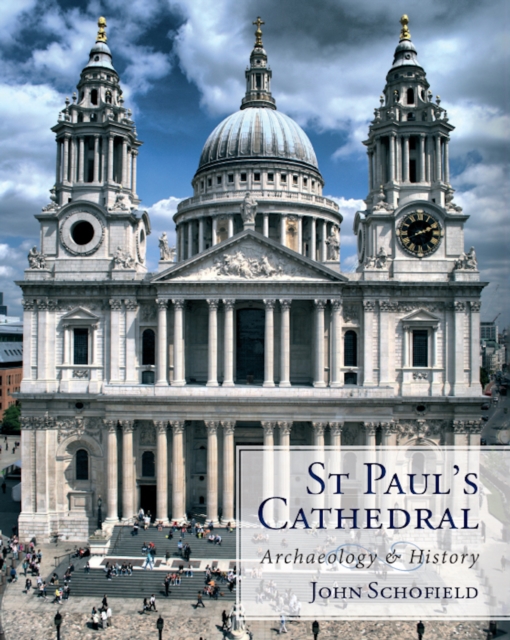
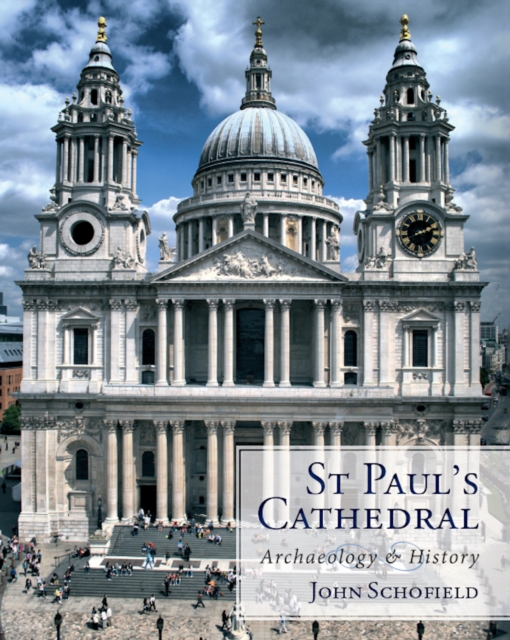
This is the first volume concerned solely with the archaeology of a major late 17th century building in London, and the major changes it has undergone.
This is the first volume concerned solely with the archaeology of a major late 17th century building in London, and the major changes it has undergone.
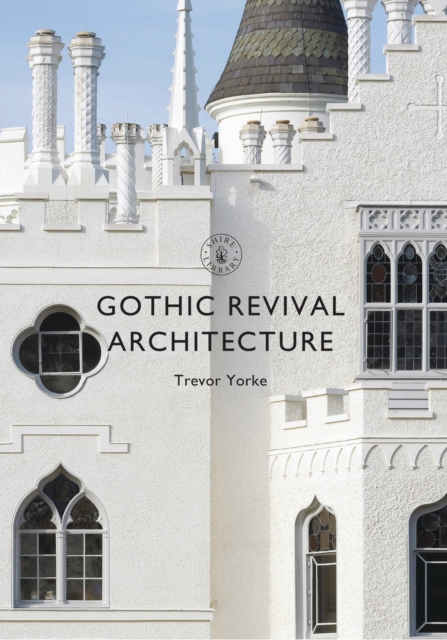
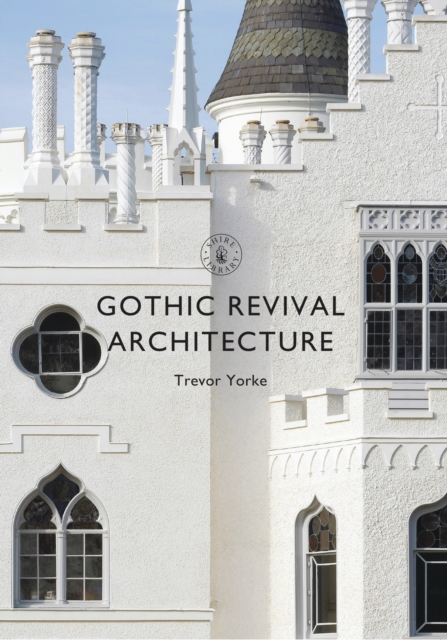
From the Houses of Parliament to the Midland Hotel at St Pancras and Strawberry Hill House, Gothic Revival buildings are some of the most distinctive structures found in Britain.
From the Houses of Parliament to the Midland Hotel at St Pancras and Strawberry Hill House, Gothic Revival buildings are some of the most distinctive structures found in Britain.
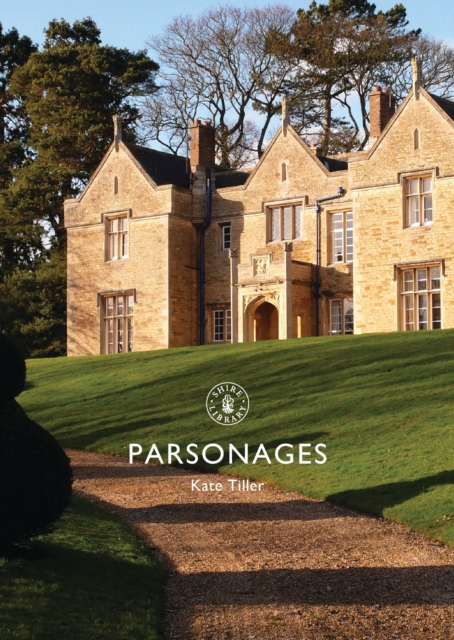
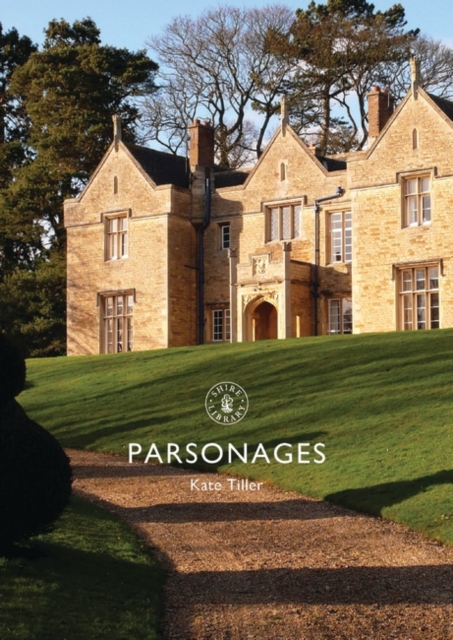
Some of the most significant architectural features of British communities, the parsonage has provided the central hub for local towns and villages for hundreds of years this is the story of their evolution, architecture and changing occupants.
Some of the most significant architectural features of British communities, the parsonage has provided the central hub for local towns and villages for hundreds of years this is the story of their evolution, architecture and changing occupants.
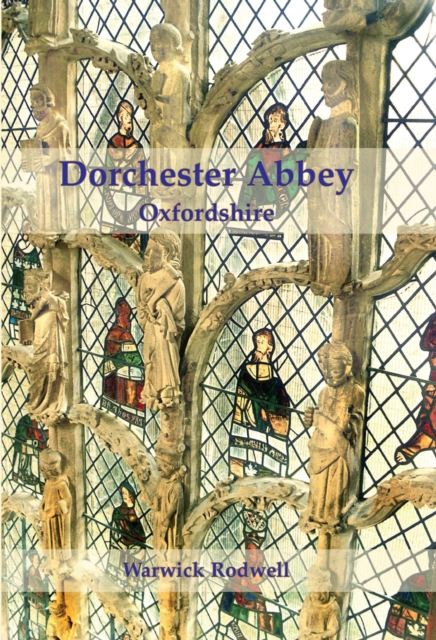
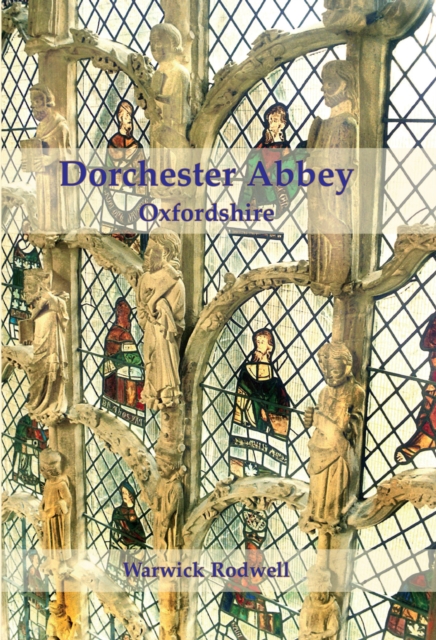
Dorchester-on-Thames and its abbey have been subjects of antiquarian interest for more than 450 years, and during that time much has been written about them.
Dorchester-on-Thames and its abbey have been subjects of antiquarian interest for more than 450 years, and during that time much has been written about them.
This study of Constantinople's monasteries within their urban framework during the last decades of Byzantium (1394-1453) explores the activity of monks, nuns, and affiliated laypeople such as patrons just before the city's Ottoman conquest and transformation into the capital of an Islamic Empire.
In einer Welt, die zunehmend von Urbanisierung und Dichte geprägt ist, stehen Städteplaner und Architekten vor der Herausforderung, Lebensräume zu schaffen, die nicht nur funktional, sondern auch lebenswert sind.
Shinto: The Way of the Gods II - The Soul of Japan Between Tradition and PresentDiscover a unique journey into the fascinating world of Shintoism, the oldest religion in Japan, with "e;Shinto: The Way of the Gods II"e;.
Jewish Sanctuary in the Atlantic World is a unique blend of cultural and architectural history that considers Jewish heritage as it expanded among the continents and islands linked by the Atlantic Ocean between the mid-fifteenth and early nineteenth centuries.
This book is about biblical project management, principles, tools, techniques, and practices used by Nehemiah, a cupbearer to the King of the Persian Empire in the re-building of the wall around Jerusalem and its revitalization.
'A treasure of a book' - The New YorkerNow with an exclusive new introduction from the author, Ken Follett, who will donate all royalties to the charity La Fondation du Patrimoine.